Small Stepper Motor
— 8–42mm small size PM stepper motor
— 5V, 12V and 24V options; custom voltages up to 24V DC
— 18° on smaller models; 7.5° / 15° on 25 mm and larger
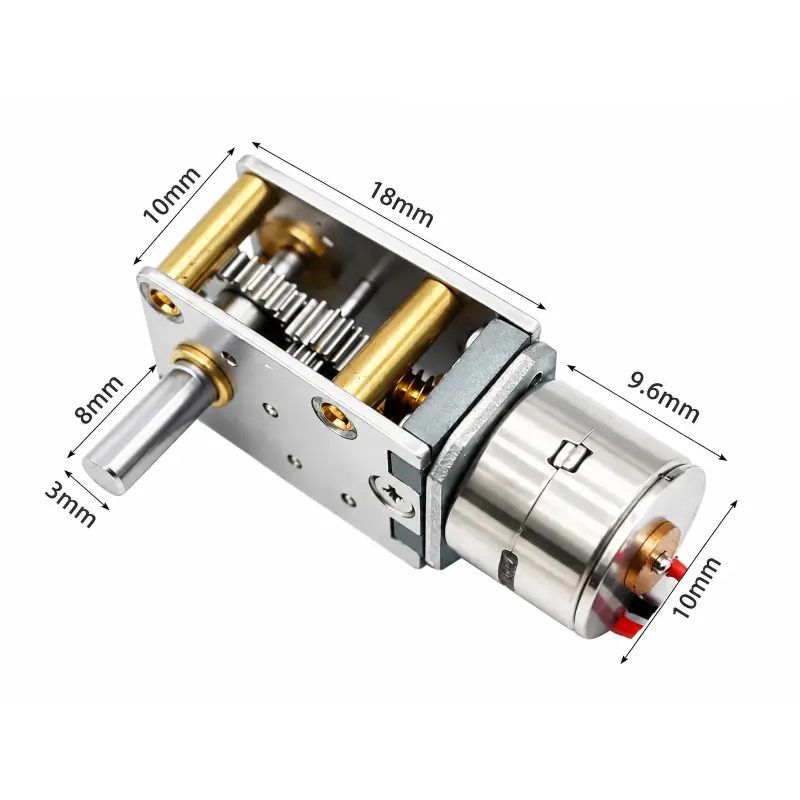
— Standard, dual-shaft, pinion and worm gear options
— Encoder options on selected models
— Custom winding, shaft, lead wire and connector options
Kechen Motor – Small Stepper Motor Manufacturer in China
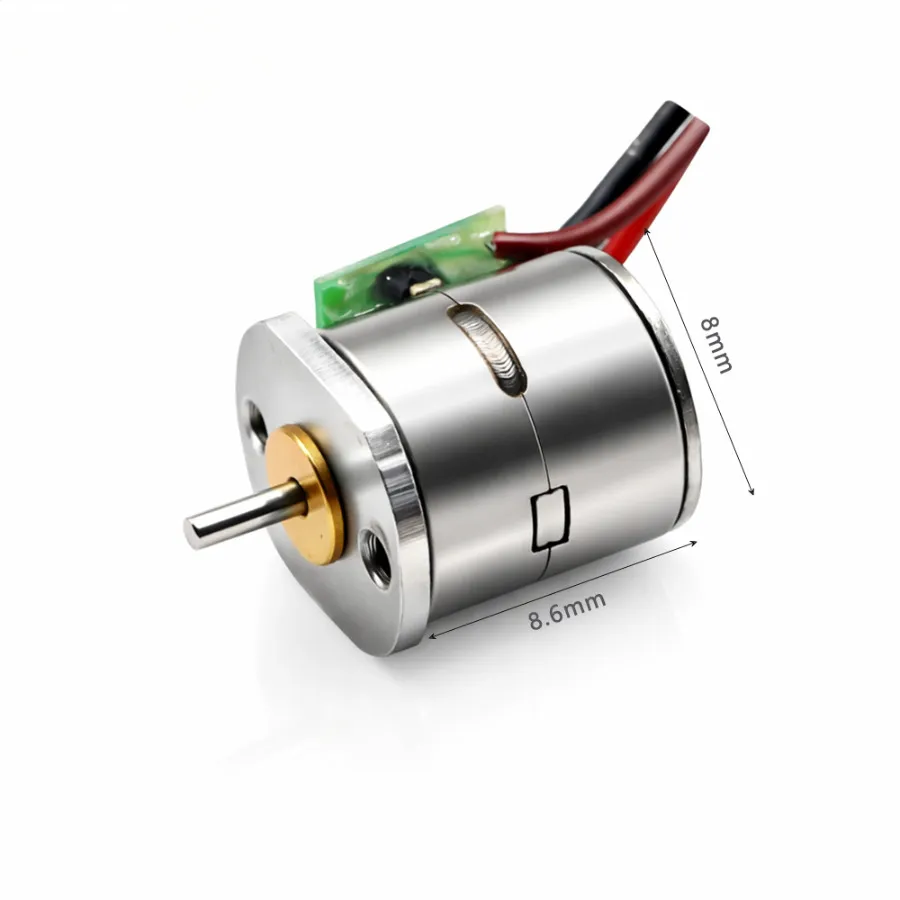
Kechen Motor supplies permanent magnet stepper motors from 8 mm to 42 mm in diameter for compact OEM motion systems. Within the current product range, the 8mm, 10mm and 15mm series are positioned as micro stepper motors for highly space-limited mechanisms, while the 20mm, 25mm, 35mm and 42mm series provide larger small stepper motor options for applications requiring more installation space and model-dependent torque.
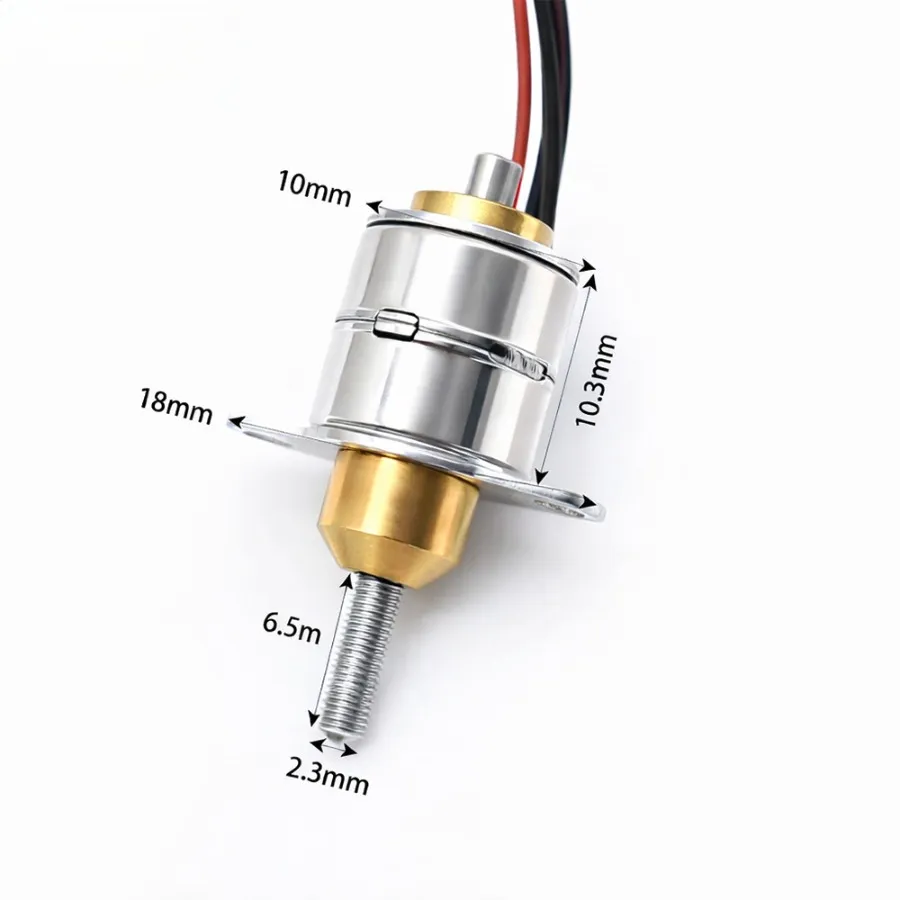
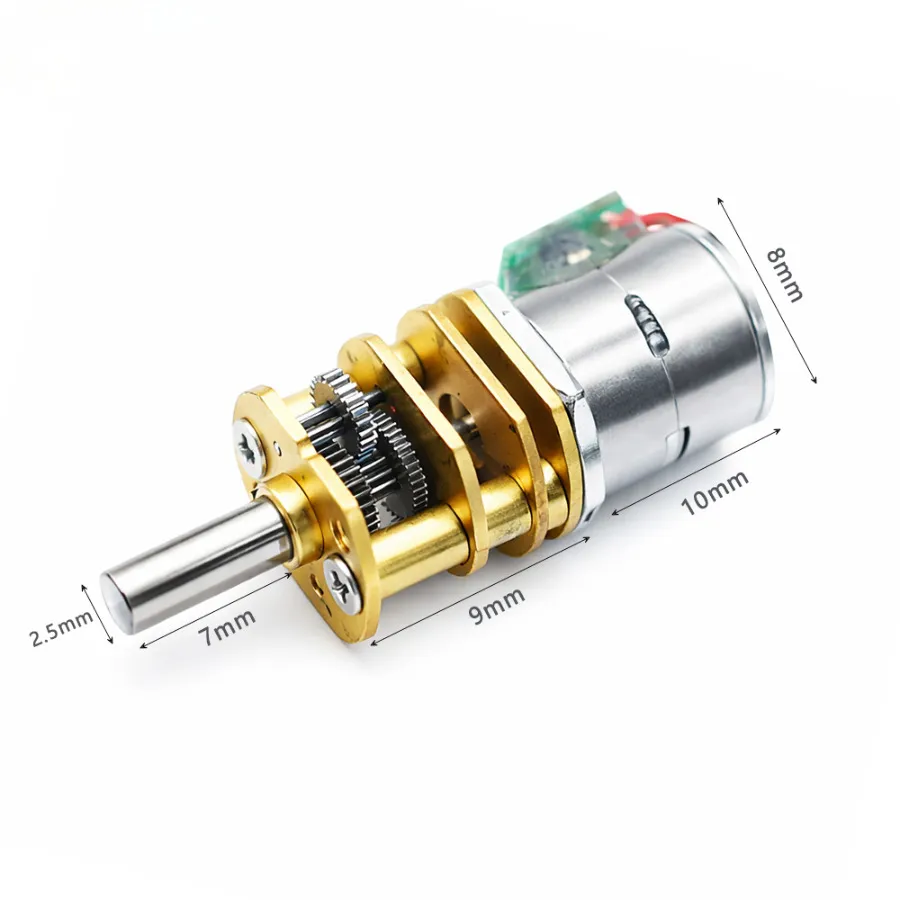
Depending on the model, available configurations include standard output shafts, dual shafts, pinion gears, worm gears and encoders. Step angles of 7.5°, 15° and 18° are used across different series. Selected micro stepper motors use 18° step angles, while 25mm and larger PM stepper motors generally use 7.5° or 15° designs.
Common voltage options include 5 V, 12 V and 24 V, with 12V stepper motor versions available across selected series. For OEM projects, winding voltage can also be reviewed within 24 V DC according to the motor size and electrical requirements. Current, winding resistance and torque vary with the individual motor design.
Motor diameter should be checked together with body length, step angle, shaft dimensions, wiring, load and available installation space. Motors with the same outside diameter may have different body lengths, windings, shaft arrangements and electrical characteristics.
View Kechen Small Stepper Motor Products Now
Micro and Small Stepper Motor Sizes and Configurations
The product range covers both micro stepper motors and small stepper motors with different mechanical and electrical configurations. Within the current Kechen Motor range, 8mm, 10mm and 15mm models are grouped as micro stepper motors, while 20mm, 25mm, 35mm and 42mm models are grouped as small stepper motors. Final motor selection should always be based on the individual drawing and electrical data rather than the product name or diameter alone.
- 8mm, 10mm and 15mm micro stepper motor series
- 20mm, 25mm, 35mm and 42mm small stepper motor series
- Permanent magnet stepper motor construction across the current compact range
- 18° step angles on selected smaller micro stepper motors
- 7.5° and 15° step angles generally used on 25mm and larger PM stepper motors
- 5V, 12V and 24V stepper motor versions on selected models
- Custom winding voltages available within 24 V DC
- Bipolar stepper motor configurations on selected series
- Standard shaft and dual-shaft versions
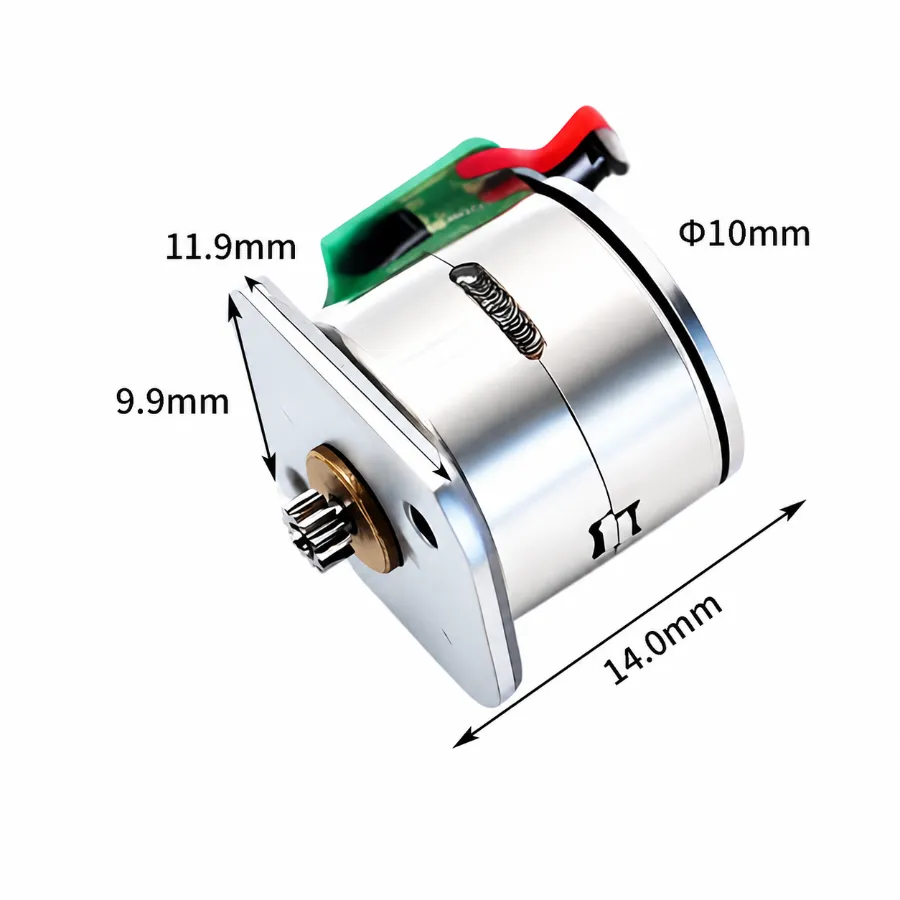
- Pinion gear and worm gear shaft configurations
- Micro and small stepper motor with encoder versions on supported models
- Custom winding, lead wire, connector and shaft requirements
Body length, shaft position, torque and electrical data can differ even between motors with the same outside diameter. Final specifications should therefore be confirmed from the selected model drawing and approved sample.
| Parameter | Micro & Small Stepper Motor Range |
|---|---|
| Micro Stepper Motor Sizes | 8 mm, 10 mm and 15 mm |
| Small Stepper Motor Sizes | 20 mm, 25 mm, 35 mm and 42 mm |
| Motor Type | Permanent magnet stepper motor across the current compact-size range |
| Step Angle | 18° on selected smaller micro models; 7.5° or 15° generally used on 25 mm and larger PM stepper motors |
| Rated Voltage | 5 V, 12 V and 24 V on selected models; custom winding voltages available within 24 V DC |
| Winding / Wiring | Model-dependent; bipolar configurations are available on selected series |
| Body Length | Varies by motor size and model |
| Shaft Configuration | Standard shaft, dual shaft and model-specific machined shafts |
| Gear on Shaft | Pinion gear or worm gear on selected models |
| Encoder | Available on selected micro and small stepper motor models |
| Custom Options | Winding voltage within 24 V DC, shaft, lead wire, connector and selected mechanical configurations |
Product Documents Downloads
| Document Description | File Details |
|---|---|
| KC-08BY25 8mm 3.3V Micro Stepper Motor Specifications & Dimensions |
PDF · English · 150 KB |
| KC-10BY25694 10mm 5V Micro Stepper Motor Technical Datasheet & Dimensions | PDF · English · 175 KB |
Kechen Small Stepper Motor Products
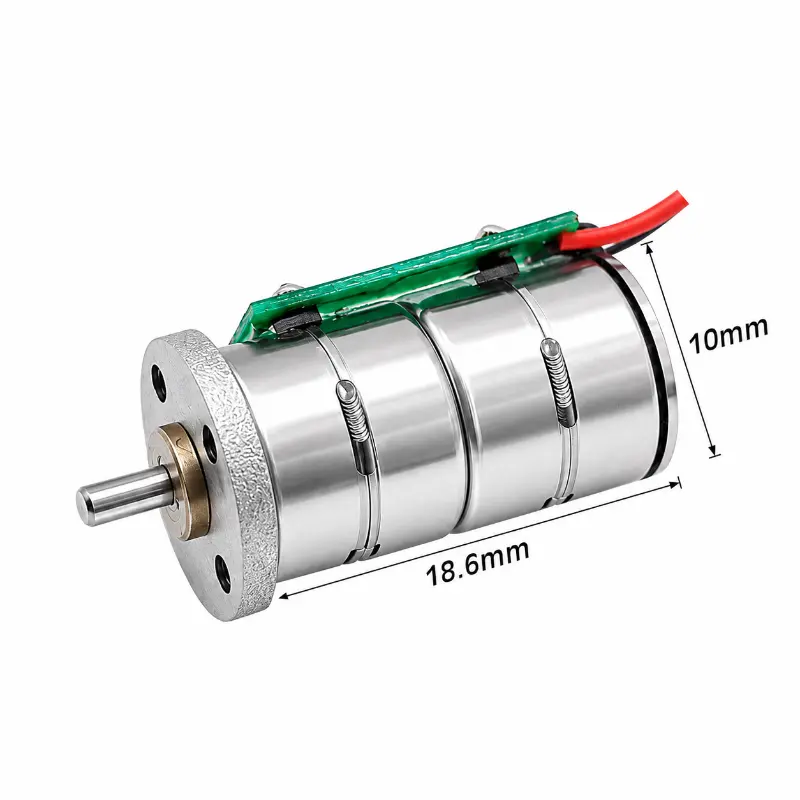
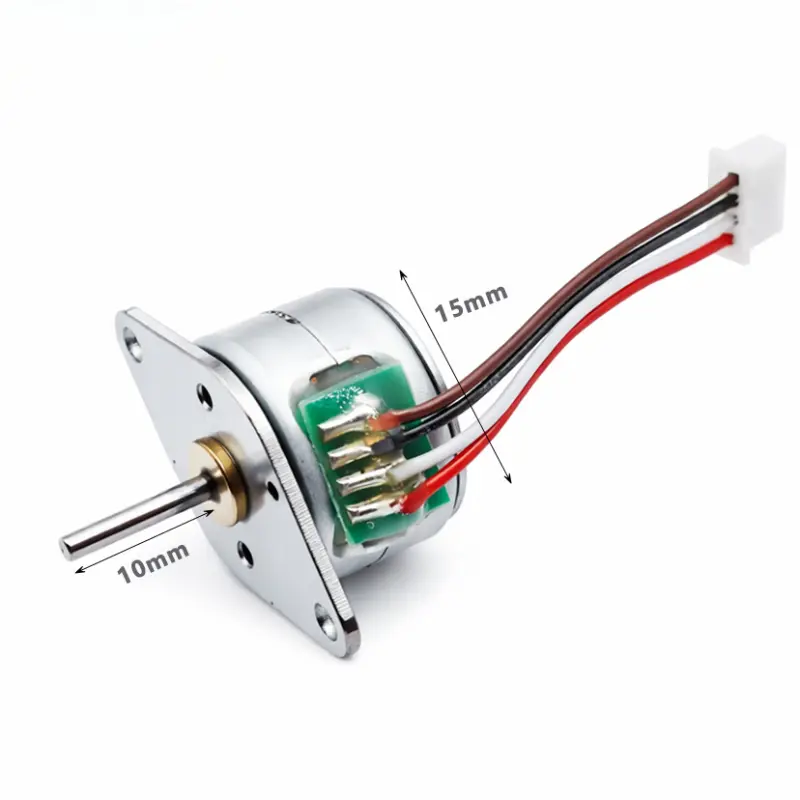
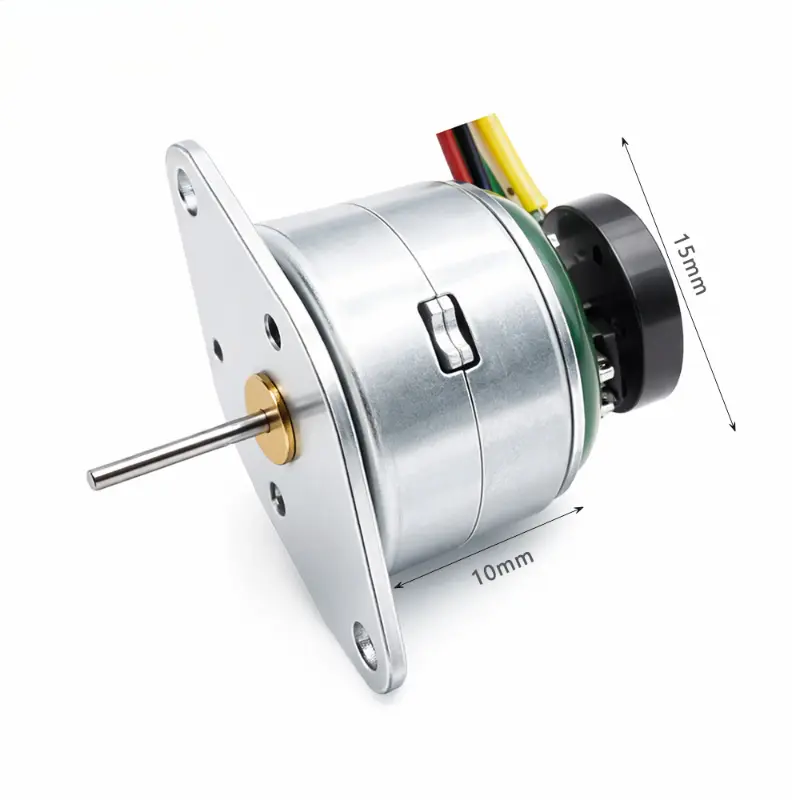


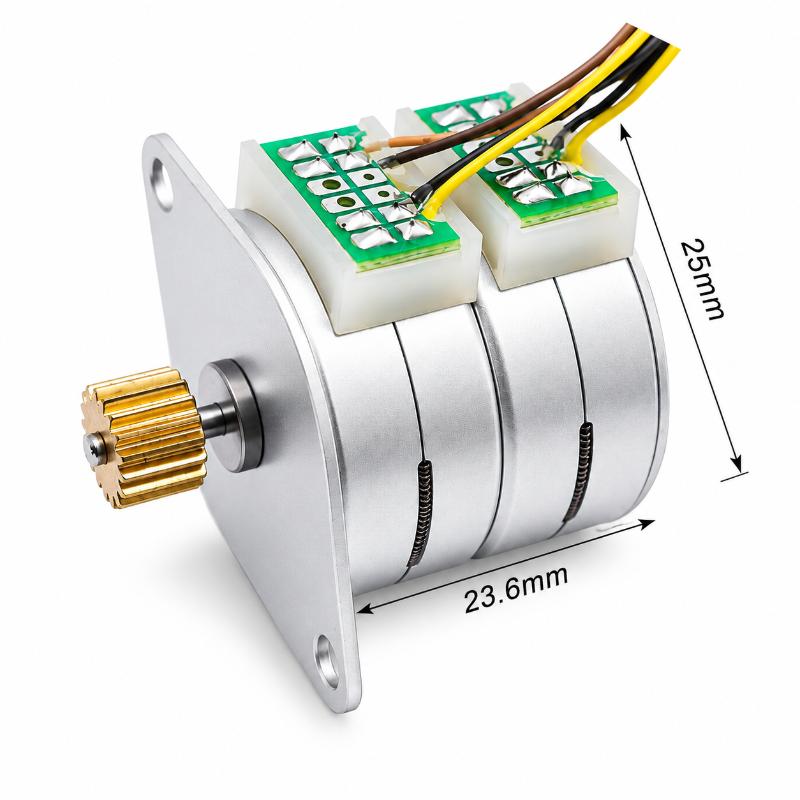

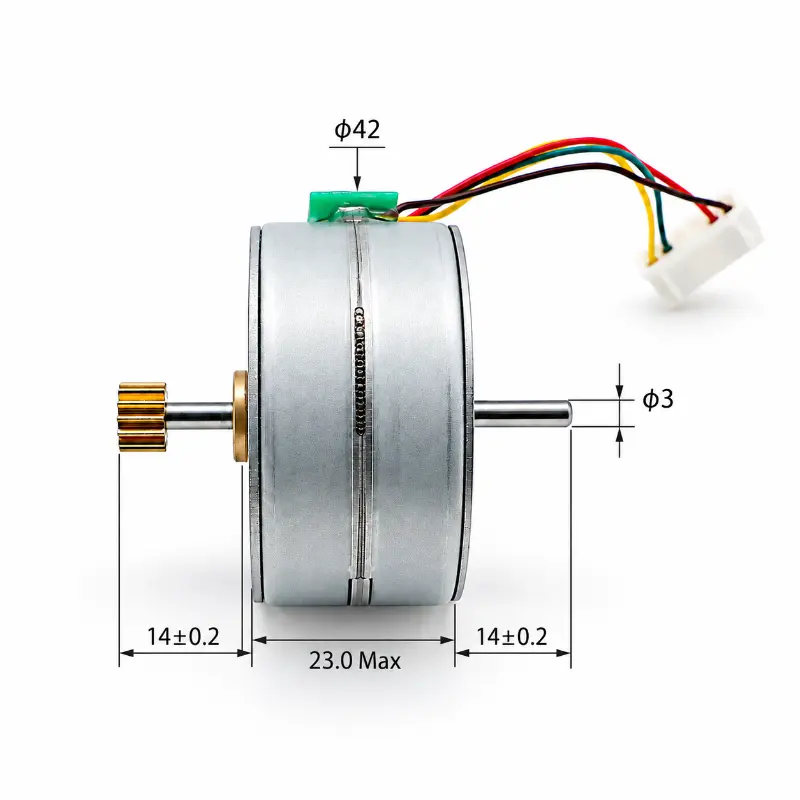
Kechen Small Stepper Motor 3D Design
Compare Micro and Small Stepper Motor Series
Different motor series are designed for different installation spaces, step angles and mechanical interfaces. Within the current Kechen Motor range, the 8mm, 10mm and 15mm series are positioned as micro stepper motors, while the 20mm, 25mm, 35mm and 42mm series are positioned as small stepper motors. Use the table below as a series-level comparison, then check the individual product drawing and electrical specification before final motor selection.
| Series | Motor Size | Product Type | Step Angle | Voltage | Typical Configuration |
|---|---|---|---|---|---|
| KC-08BY | 8 mm | Micro Stepper Motor | 18° | Depends on model | Ultra-compact 2-phase PM stepper motor |
| KC-10BY | 10 mm | Micro Stepper Motor | 18° | 5 V on current listed models | Compact round PM stepper motor |
| KC-15BY | 15 mm | Micro Stepper Motor | Depends on model | Depends on model | Compact PM stepper motor with model-specific configurations |
| KC-20BY | 20 mm | Small Stepper Motor | Depends on model | 12 V / 24 V on current listed versions | 2-phase, 4-wire bipolar versions |
| KC-25BY | 25 mm | Small Stepper Motor | 7.5° / 15° on selected models | 12 V / 24 V on selected models | Standard shaft, pinion gear, worm gear, encoder or dual-layer versions |
| KC-35BY | 35 mm | Small Stepper Motor | 7.5° / 15° | Model-dependent | Bipolar PM stepper motor with shaft or gear options |
| KC-42BY | 42 mm | Small Stepper Motor | 7.5° on current listed version | 12 V on current listed version | Bipolar PM stepper motor with dual-shaft option |
The micro and small stepper motor labels help organize the current product range, but they should not replace model-level selection. Torque, current, resistance, body length, shaft dimensions and wiring should always be checked against the individual motor specification.
How to Choose a Small Stepper Motor
Motor size is only the starting point. Whether selecting an 8mm micro stepper motor or a larger 25mm, 35mm or 42mm small stepper motor, the complete motion system should be evaluated according to installation space, movement, load, electrical requirements and mechanical interface.
Motor Size & Installation Space
Confirm the maximum motor diameter, body length and available clearance inside the mechanism. Motors with the same outside diameter may use different body depths.
Step Angle
Select the step angle according to the required angular movement, positioning requirement and any mechanical transmission used after the motor.
Torque & Load
Use the torque data of the individual motor according to the mechanism load, acceleration and operating conditions rather than assuming that all motors of the same diameter provide the same output.
Voltage & Winding
Match the winding specification with the intended power supply and stepper motor driver. Voltage alone is not sufficient for comparing different windings.
Shaft & Mechanical Interface
Check shaft diameter, usable shaft length, shaft machining, pinion or worm requirements, shaft position and mounting geometry against the actual assembly.
Wiring & Feedback
Confirm phase configuration, lead-wire length, wire exit direction and connector. Use an encoder version when the control system requires additional motion or position feedback.
| View Kechen Small Stepper Motor Products Now | Get Help Choosing a Small Stepper Motor |
Custom Small Stepper Motors
Standard models are normally the starting point for an OEM project. If the existing drawing does not fully match the mechanism, Kechen Motor can review model-specific electrical and mechanical changes before sampling.
Electrical
- Rated voltage and winding
- Winding voltage within supported limits
- Phase and wiring requirements
Mechanical
- Motor body length where supported
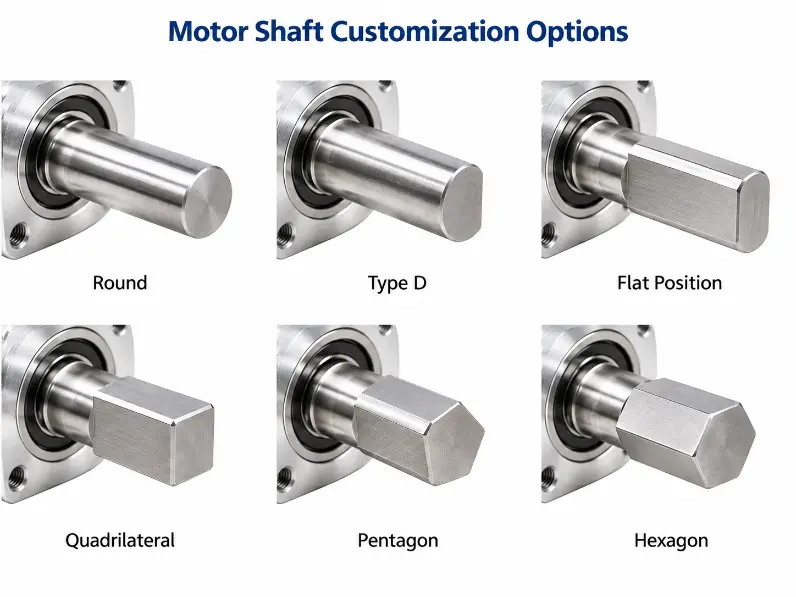
- Shaft diameter and shaft length
- D-cut or other shaft machining
- Dual-shaft arrangement
Shaft & Gear Options
- Standard output shaft
- Pinion gear configuration
- Worm gear configuration
- Model-specific shaft features
Connection & Feedback
- Lead-wire length
- Wire exit direction
- Connector type
- Encoder configuration on supported models
When sending an inquiry, include the target motor diameter, maximum body length, voltage, step angle, required torque or load, shaft drawing, wiring requirements and estimated quantity. An assembly drawing is useful when shaft position or mounting clearance is critical.
Specifications are for reference only. Final parameters should be confirmed based on approved samples and project requirements.
| View Kechen Small Stepper Motor Products Now | Customize Your Small Stepper Motor |
Small Stepper Motor Applications
Micro and small stepper motors are used in compact mechanisms that require controlled incremental movement. Smaller 8 mm to 15 mm motors are particularly useful where installation space is highly restricted, while larger 20 mm to 42 mm models provide additional mechanical options for different load and integration requirements.
Precision Instruments
Compact stepper motors can support optical adjustment, measuring mechanisms, inspection modules and other precision equipment requiring controlled positioning.
Laboratory & Analytical Equipment
Micro and small PM stepper motors can be used in sample handling, adjustment mechanisms, compact analytical instruments and laboratory automation equipment.
Industrial Automation
Compact stepper motors can drive small feeders, indexing mechanisms, positioning modules and other automated mechanisms requiring repeatable movement.
Smart Home & Security Equipment
Stepper motors can be used in smart locks, valves, controlled shutters and other compact mechanisms where defined movement is required.
HVAC, Flap & Valve Mechanisms
PM stepper motors can move dampers, air-mix flaps, valves and similar rotary mechanisms where controlled angular positioning is required.
Other Stepper Motor Options
If a permanent magnet micro or small stepper motor does not match the required torque, output speed or motion type, another stepper motor structure may be more suitable for the application.
NEMA Stepper Motors
Hybrid stepper motors in standard frame sizes for applications requiring smaller step angles, higher holding torque and conventional stepper motor mounting formats.
Geared Stepper Motors
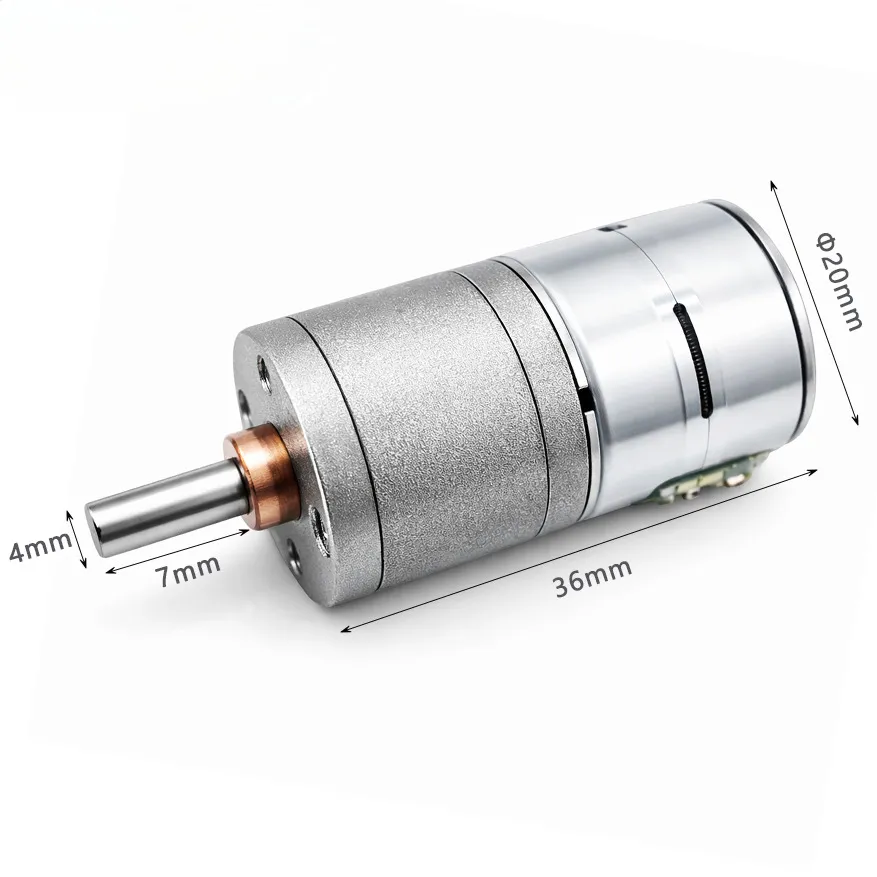
Stepper motors combined with reduction gearboxes for applications requiring lower output speed and increased output torque.
Linear Stepper Motors
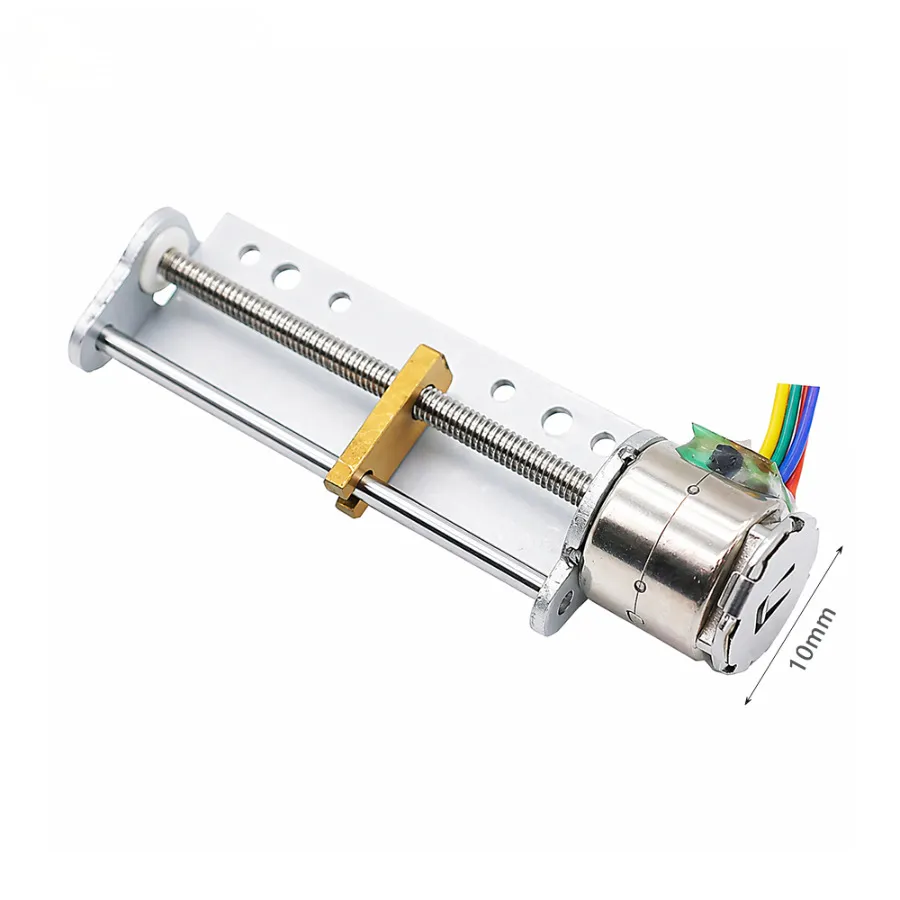
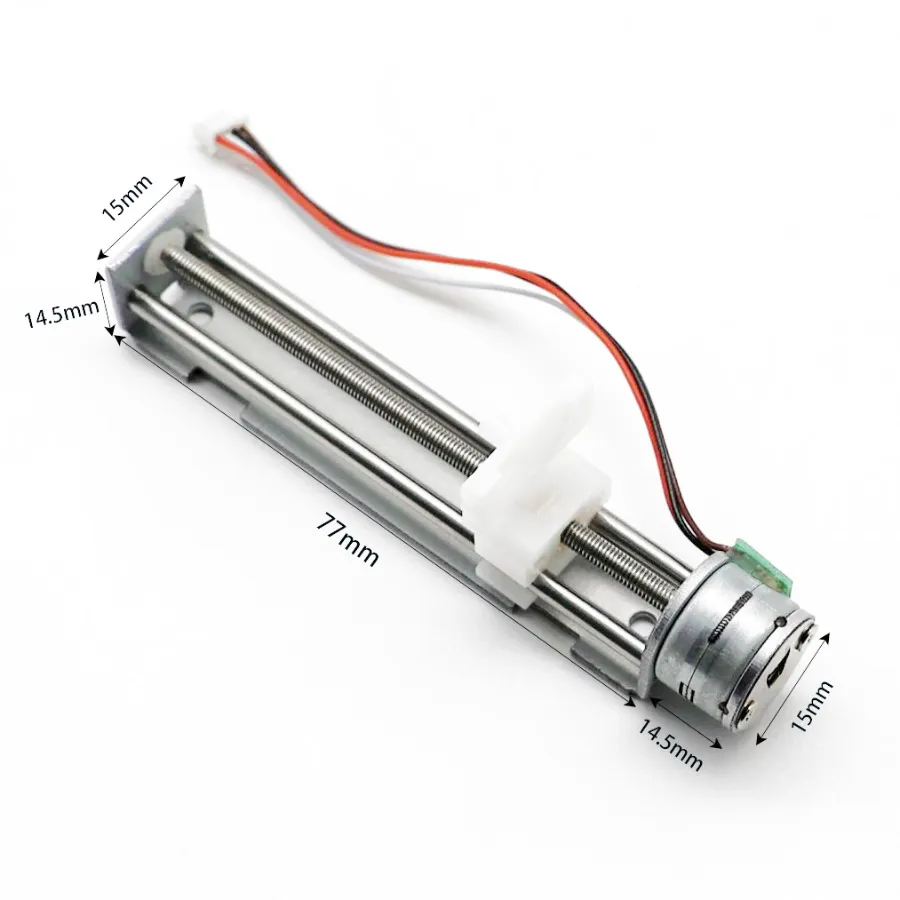
Lead-screw stepper motor solutions that convert rotary motion into controlled linear travel for positioning and actuation mechanisms.
View Kechen Small Stepper Motor Products Now
How Does a Permanent Magnet Stepper Motor Work?
A permanent magnet stepper motor moves the rotor between discrete magnetic positions as its stator phases are energized in sequence. Each input step changes the commanded rotor position by the motor’s specified step angle.
For example, a 7.5° motor has fewer full steps per revolution than a motor with a smaller step angle. Step angle alone, however, does not determine final positioning performance. Load, driver method, acceleration, shaft load and the mechanical transmission also affect the movement of the complete mechanism.
The motor and driver should therefore be treated as part of the same motion system rather than selected independently.
Small Stepper Motor Structure
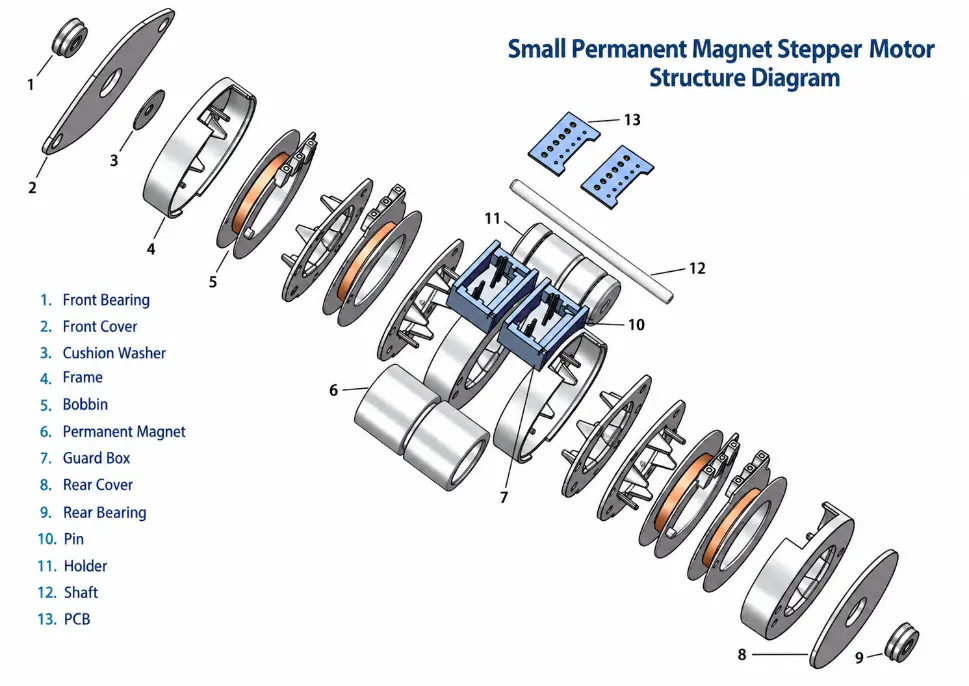
The current compact PM stepper range generally consists of a stator and winding assembly, a permanent-magnet rotor, supporting or bearing elements, an output shaft and the external motor housing. The exact internal layout varies with motor diameter and model.
The output side can also differ significantly. Some motors use a plain shaft, while others use a pinion gear, worm gear or other shaft machining. Selected models can also use a rear shaft or encoder where an additional mechanical connection or feedback signal is required.
These differences are why the individual motor drawing should be checked before sampling. Outside diameter alone does not define shaft position, mounting geometry, body depth or the complete mechanical interface.
FAQs About Micro and Small Stepper Motors
What is a small stepper motor?
A small stepper motor is a compact motor that moves in defined angular steps according to the electrical phase sequence. Kechen Motor’s current compact PM stepper range covers motor diameters from 8 mm to 42 mm.
What is a micro stepper motor?
Micro stepper motor is commonly used to describe very compact stepper motors for space-limited mechanisms. Within the current Kechen Motor product range, the 8mm, 10mm and 15mm series are grouped as micro stepper motors.
Are micro stepper motors and miniature stepper motors the same?
The terms micro stepper motor and miniature stepper motor are often used for overlapping compact motor products. Actual motor diameter, body length, step angle, winding, torque and shaft configuration are more important for engineering selection than the naming term alone.
What step angles are available?
Step angle depends on motor size and series. Selected smaller micro stepper motors use 18° full steps, while 25 mm and larger permanent magnet stepper motors generally use 7.5° or 15° step angles. The exact option should be confirmed from the individual model specification.
What voltages are available?
Selected models are available in 5 V, 12 V and 24 V versions. Other winding requirements should be checked against the specific motor series and driver requirements before sampling.
Can the shaft be customized?
Selected models can be reviewed for shaft length, shaft machining, dual-shaft arrangements and shaft-mounted gears. Available changes depend on the individual motor design.
Can a micro or small stepper motor include an encoder?
Yes. Encoder configurations are available on selected models. The encoder type and interface should be confirmed according to the control system and feedback requirement.
What information should I provide for motor selection?
Provide the available motor diameter and body length, voltage, step angle, required load or torque, shaft dimensions, wiring or connector requirements, duty conditions and estimated quantity. A drawing of the driven mechanism can also help confirm mechanical fit.