Geared Stepper Motor
Gearbox Types: Spur, planetary and worm gear options.
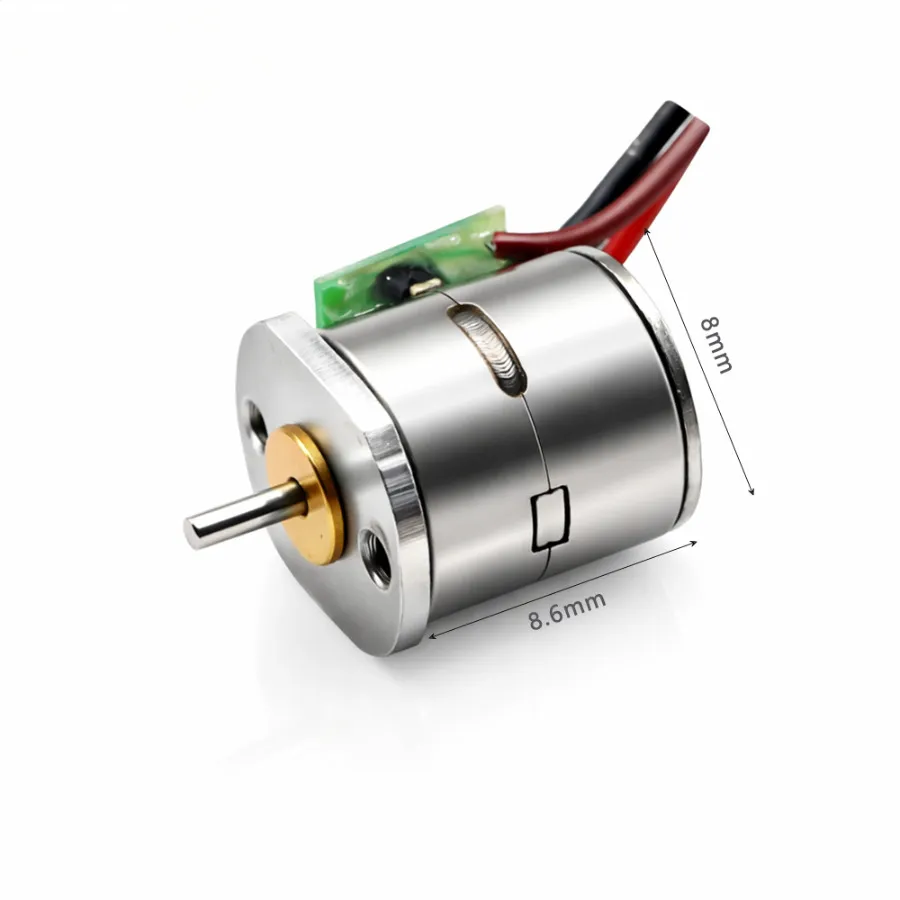
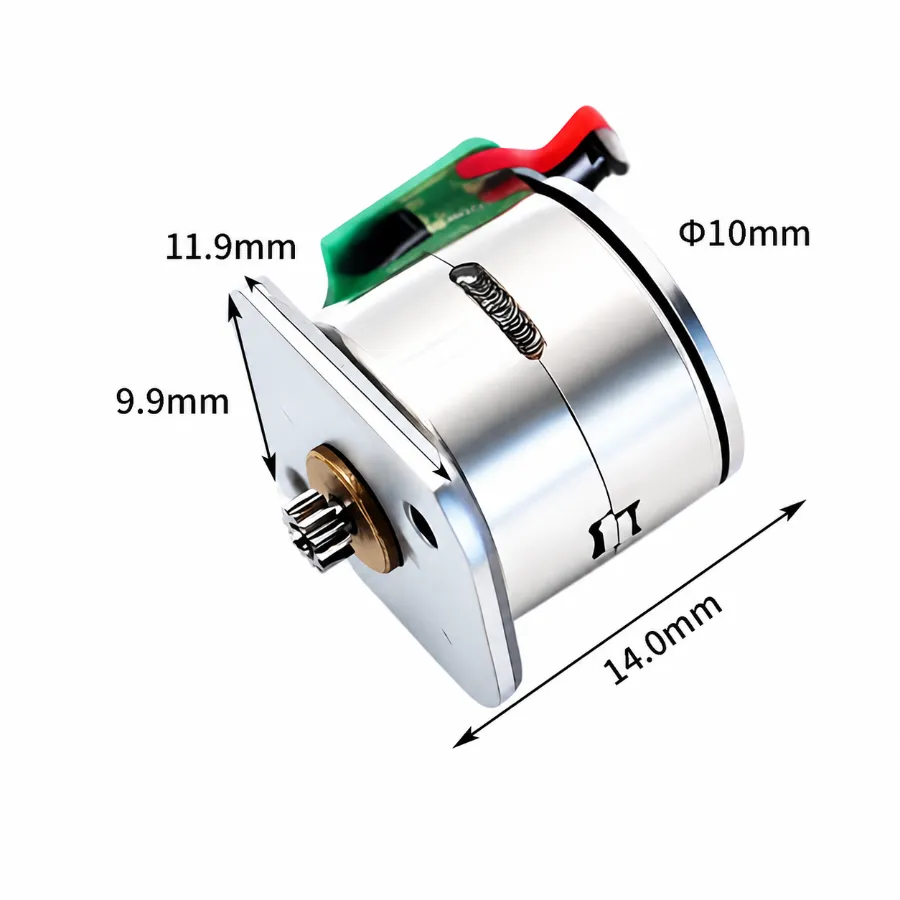
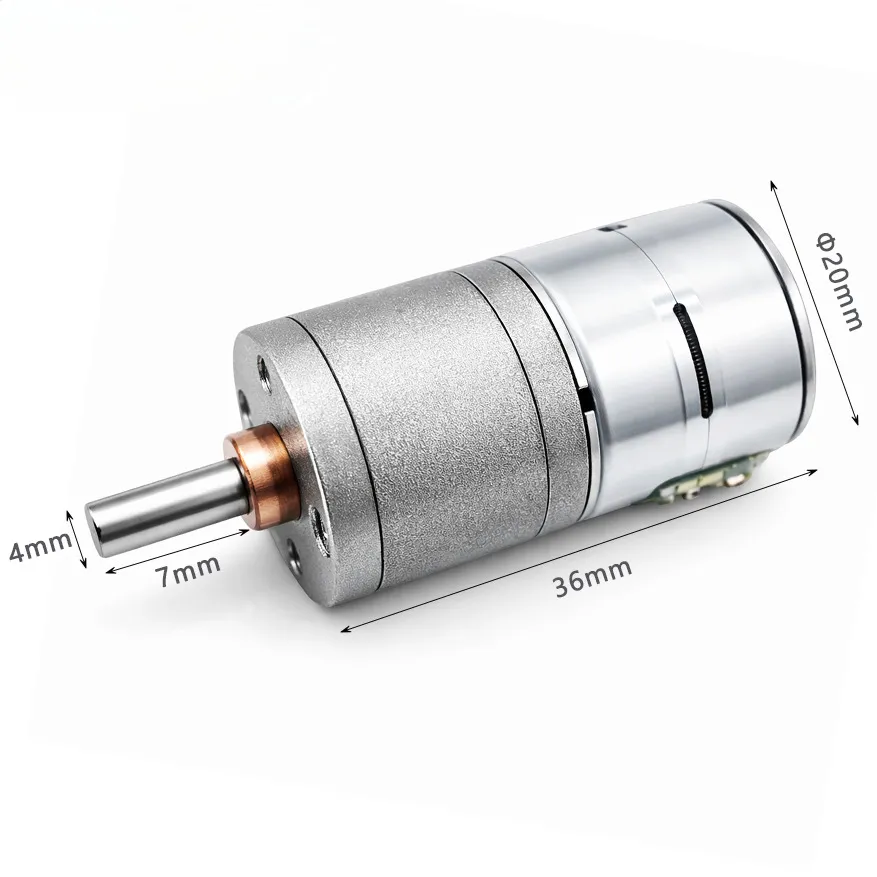
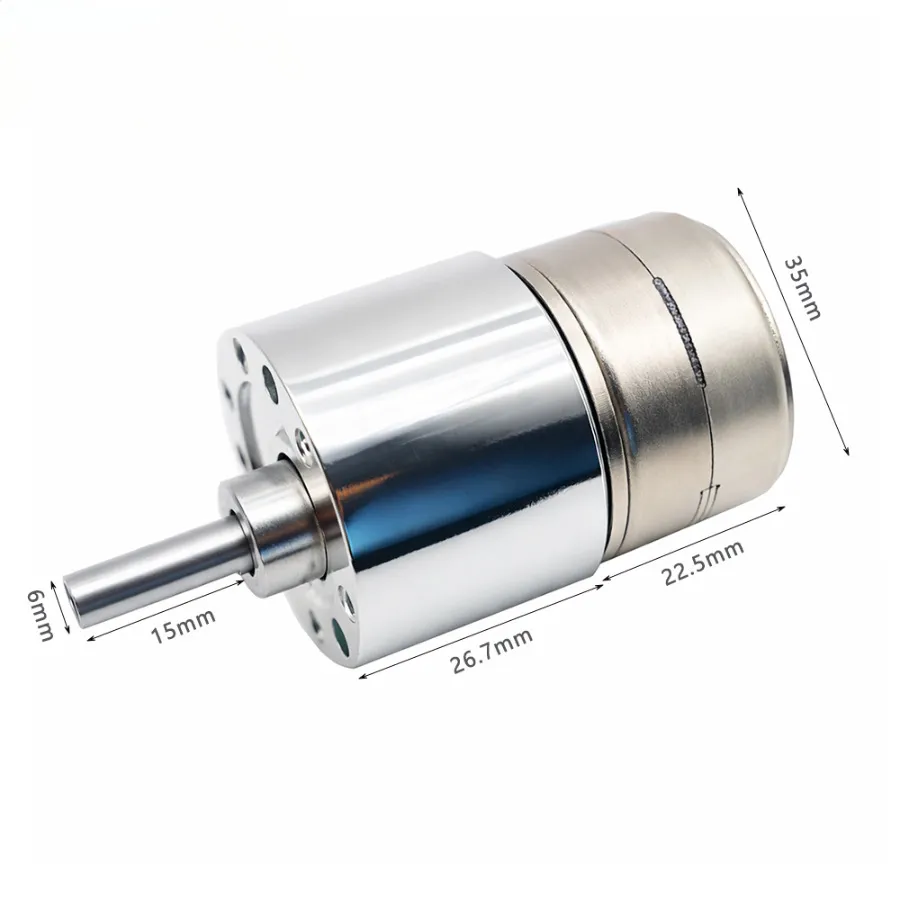
Motor Sizes: 8mm, 10mm, 15mm, 20mm, 25mm, 28mm, 35mm and 42mm.
Operating Voltage: Custom voltage options up to 24V DC.
Gear Ratios: Different ratios for speed and torque requirements.
Custom Options: Output shafts, encoders, wiring and mounting.
OEM Manufacturing: Geared stepper motors built to project requirements.
Kechen Motor – Geared Stepper Motor Manufacturer in China
Kechen Motor manufactures geared stepper motors for industrial equipment, small actuators and OEM products. Our range includes permanent magnet (PM) stepper motors with spur, planetary and worm gearboxes, along with hybrid stepper motors for selected gearbox applications. A stepper motor with gearbox reduces output speed and increases available torque within the gearbox’s mechanical limits. These motors are used in medical instruments, laboratory equipment, valve actuators, smart locks and robotic mechanisms.
Our PM geared stepper motor range covers motor diameters from 8mm to 42mm, while our hybrid stepper motor range includes NEMA 8, NEMA 11, NEMA 14, NEMA 17 and NEMA 23 frame sizes. Small geared stepper motor and micro geared stepper motor models are available for equipment with limited installation space. Motor and gearbox combinations are selected according to speed, torque, reduction ratio and mounting dimensions.
Kechen Motor provides custom electrical parameters based on voltage, current, speed and torque requirements. PM motor voltage options extend up to 24V DC, depending on the model. Other OEM options include gear ratios, output shafts, encoders, wiring, connectors and mounting arrangements. Final specifications are confirmed through sample evaluation.
View Kechen Geared Stepper Motor Products Now
Product Range & Frame Sizes
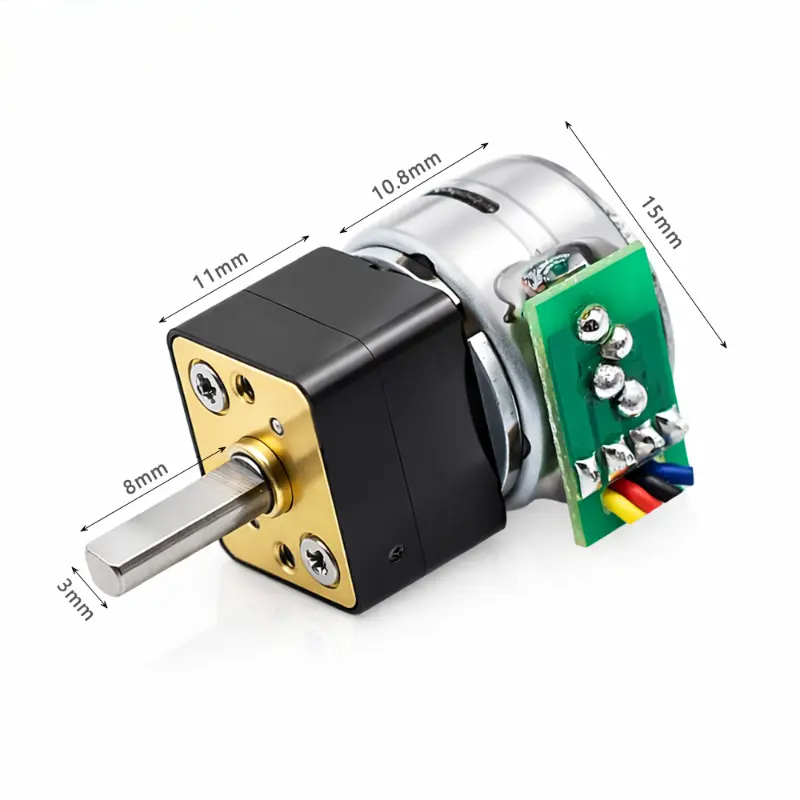
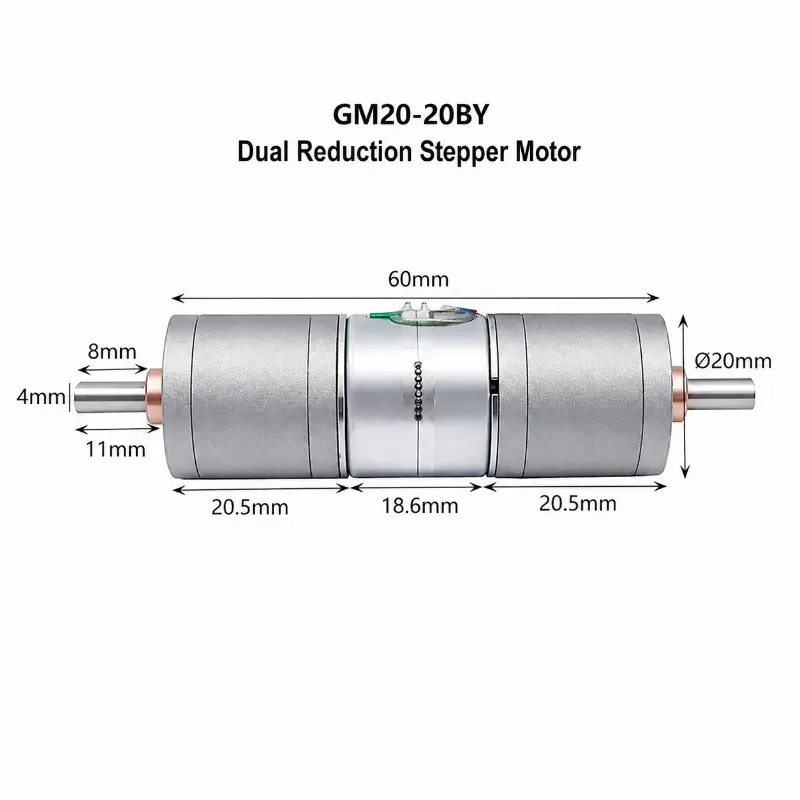
PM Geared Stepper Motor: Available motor diameters include Ø8mm, 10mm, 15mm, 20mm, 25mm, 28mm, 35mm and 42mm. Selected 15mm geared stepper motor models offer different gear ratios, D-shaped shafts and encoder options. Gearbox dimensions and electrical specifications vary by model.
Hybrid Geared Stepper Motor: Our hybrid stepper motor range includes NEMA 8, NEMA 11, NEMA 14, NEMA 17 and NEMA 23. Common step angles include 1.8° and 0.9°, depending on the motor model. Gearbox matching is based on frame dimensions, motor holding torque, rated phase current and output requirements. Encoder options and compatible stepper motor drivers can be discussed according to the selected configuration.
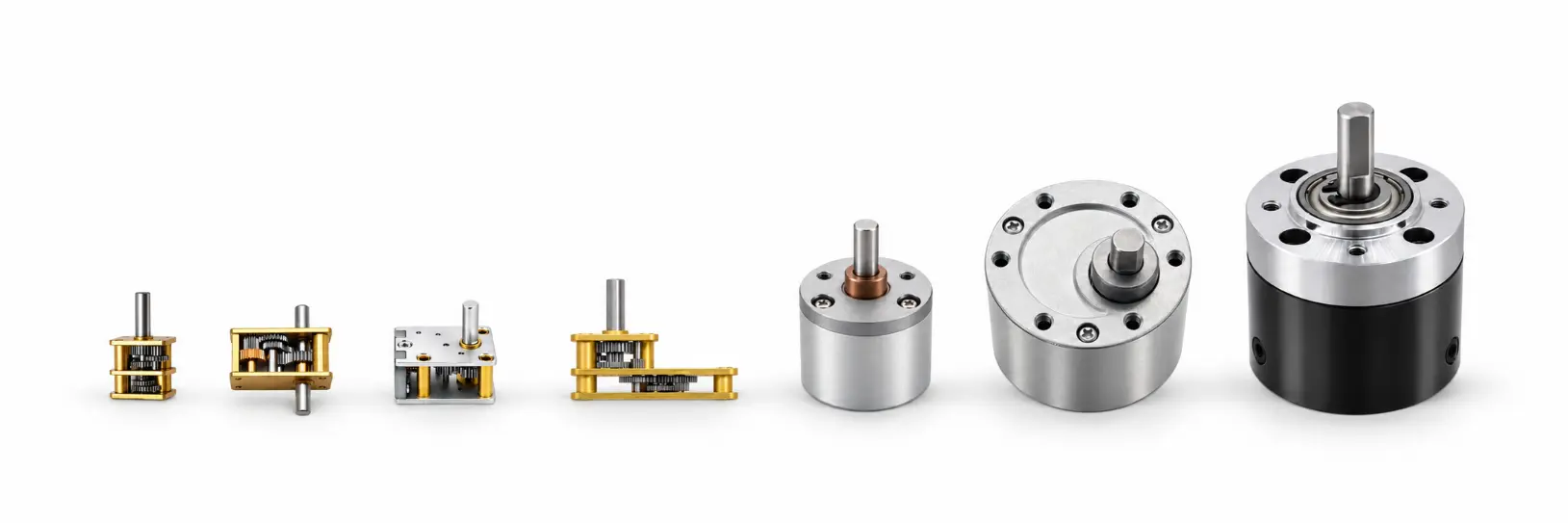
Gearbox Types: Spur gearboxes use parallel-axis gears for speed reduction. Planetary gear stepper motor configurations use coaxial input and output shafts, while worm gear stepper motor designs use perpendicular shaft arrangements. Gearbox selection depends on reduction ratio, output torque, backlash and available mounting space.
| Parameter | PM Geared Stepper Motor | Hybrid Geared Stepper Motor |
|---|---|---|
| Motor Sizes | Ø8mm, 10mm, 15mm, 20mm, 25mm, 28mm, 35mm, 42mm | NEMA 8, NEMA 11, NEMA 14, NEMA 17, NEMA 23 |
| Motor Type | 2-Phase Bipolar Permanent Magnet Stepper Motor | 2-Phase Bipolar Hybrid Stepper Motor |
| Step Angle | 7.5°, 15° and 18° motor step angles; output step angle depends on gear ratio | 0.9° and 1.8° motor step angles; output step angle depends on gear ratio |
| Operating Voltage | 3V, 5V, 12V and 24V DC options, including 12V geared stepper motor configurations; custom electrical parameters up to 24V DC | Voltage depends on motor electrical parameters and driver selection |
| Rated Phase Current | Depends on motor model and electrical configuration | Rated current per phase varies by motor model and must match the driver settings |
| Torque | Gearbox output torque depends on motor torque, reduction ratio, gearbox efficiency and load limits | Motor holding torque and gearbox output torque are specified separately |
| Gearbox Types | Spur, planetary and worm gearboxes on selected models | Compatible gearboxes based on motor frame and mounting dimensions |
| Gear Ratios | Selected configurations include 29:1, 50:1 and 150:1 reduction ratios | Available ratios depend on gearbox type and motor compatibility |
| Output Shaft | Round shafts, D-shaped shafts and lead screw outputs on selected models | Shaft diameter, length and design depend on motor and gearbox configuration |
| Customization | Electrical parameters, gear ratios, shafts, wiring, connectors and encoder options | Electrical parameters, gearbox matching, output shafts, encoders, compatible drivers and mounting options |
| Applications | Medical instruments, smart locks, valves and small actuators | Industrial automation, rotary positioning and robotic equipment |
PM stepper motor sizes refer to motor body diameter, while NEMA motor sizes refer to motor frame dimensions. Stepper Motor Gearbox compatibility and electrical specifications depend on the selected model. Specifications are for reference only. Final parameters should be confirmed based on approved samples and project requirements.
Kechen Geared Stepper Motor Products
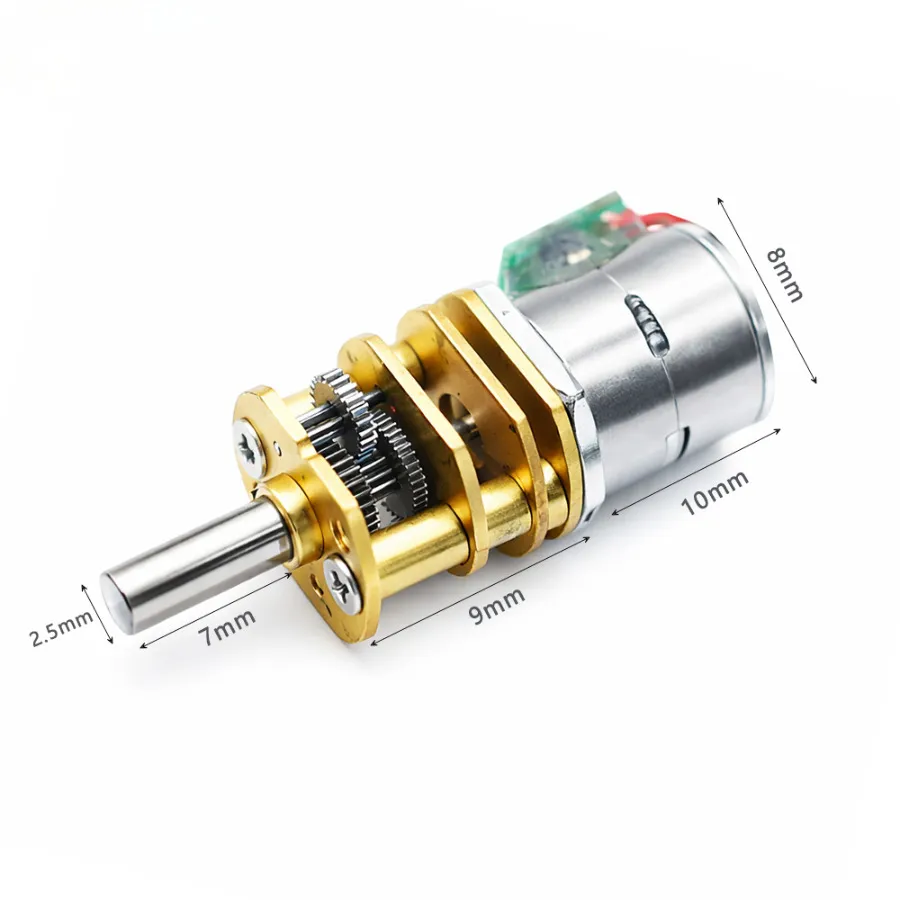


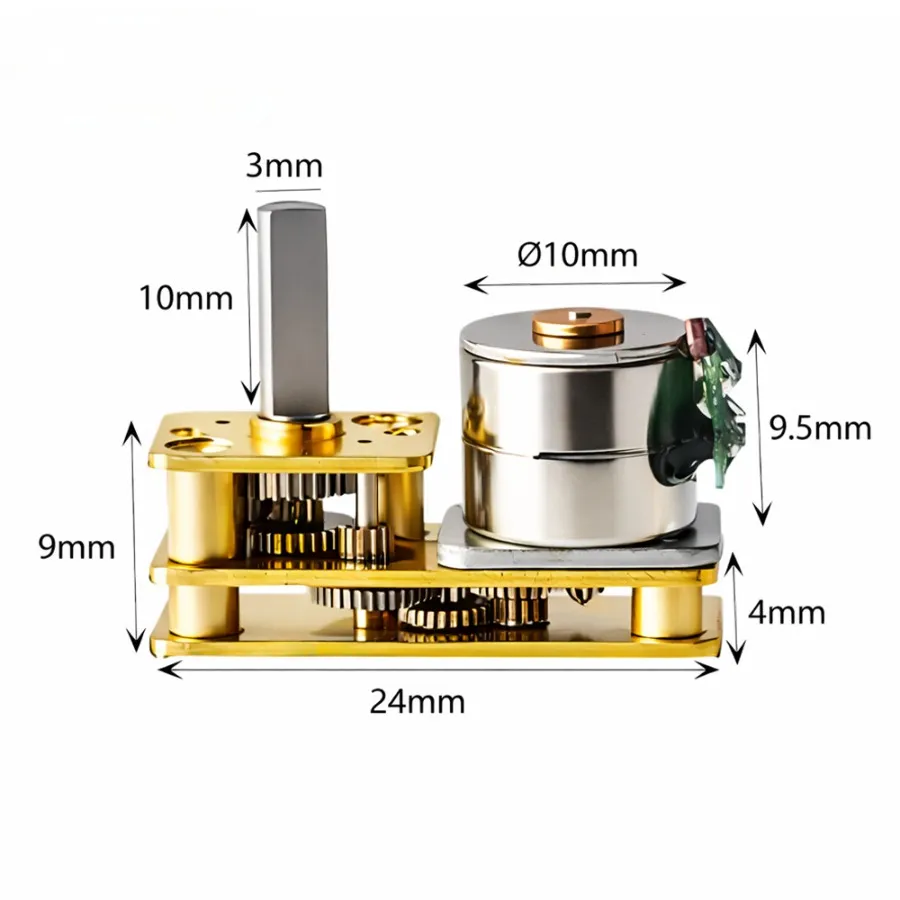
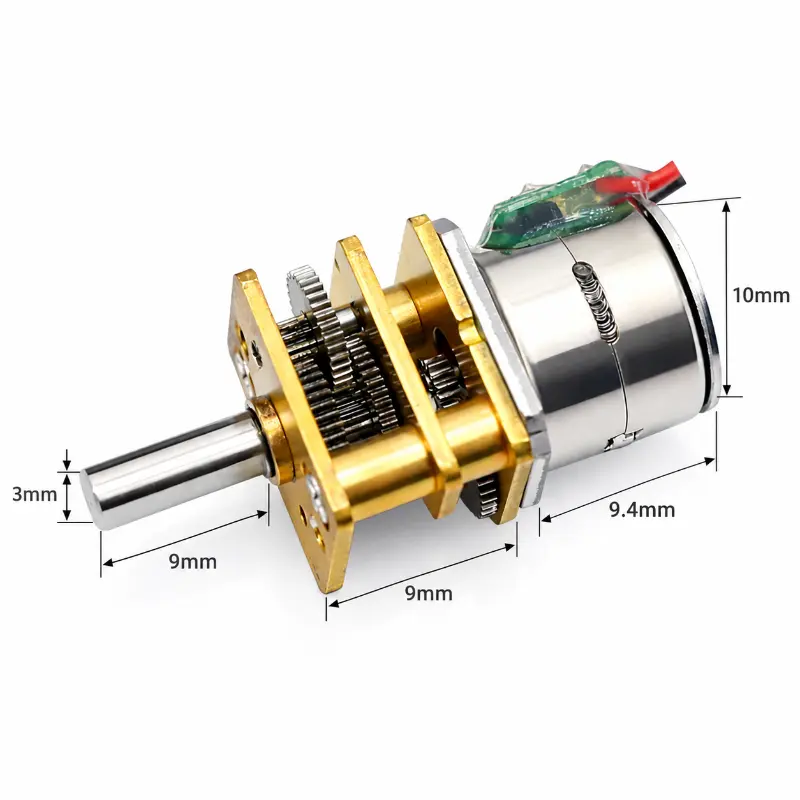
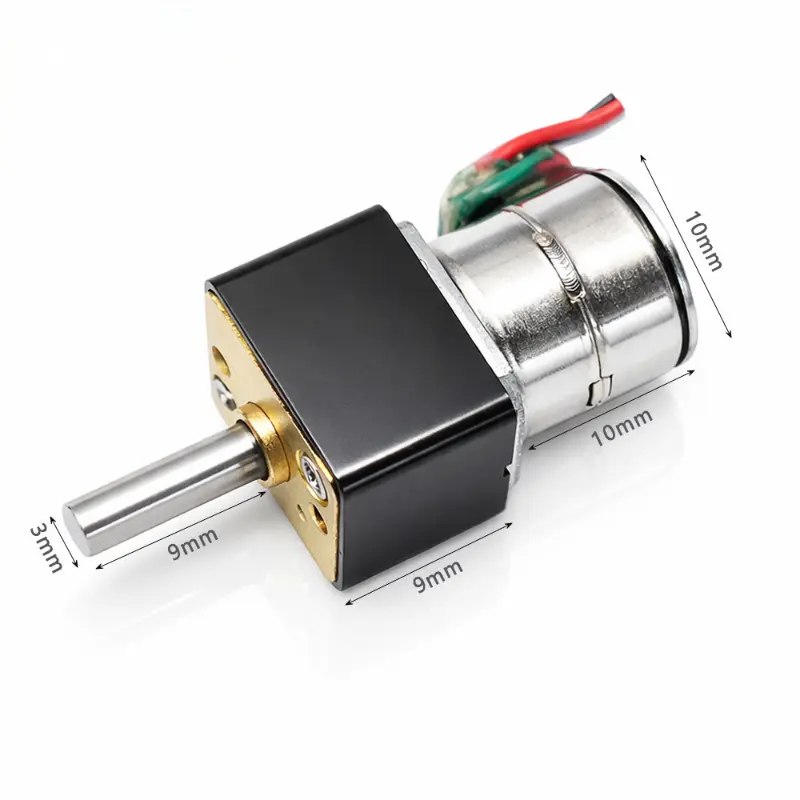
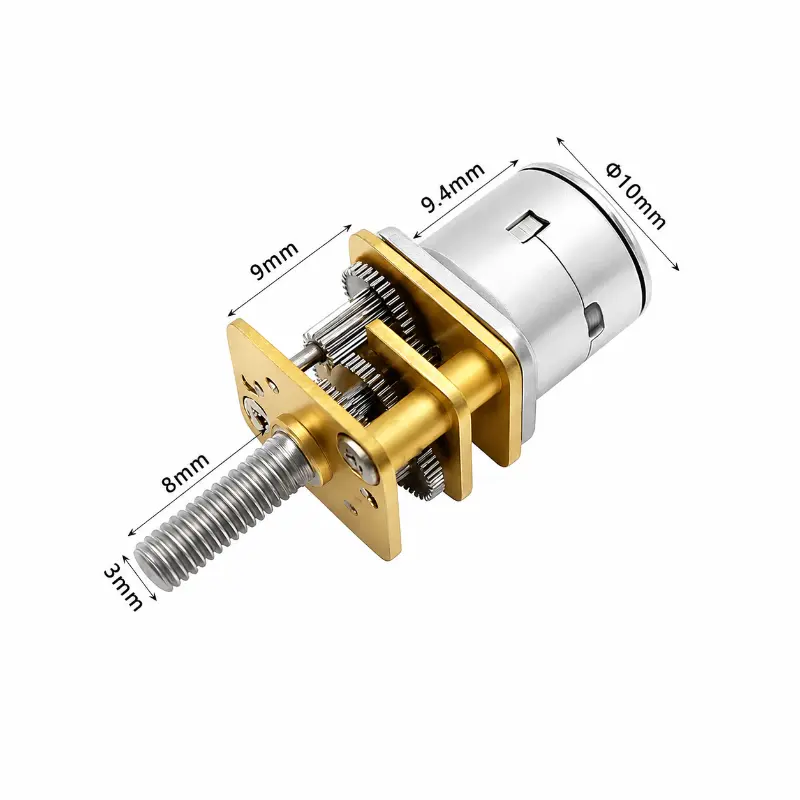
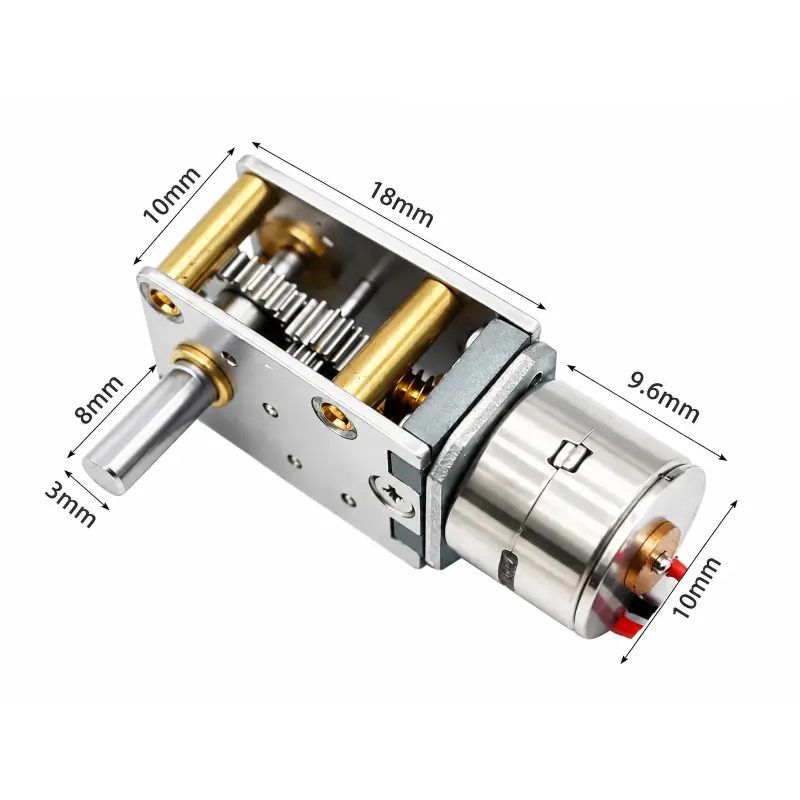
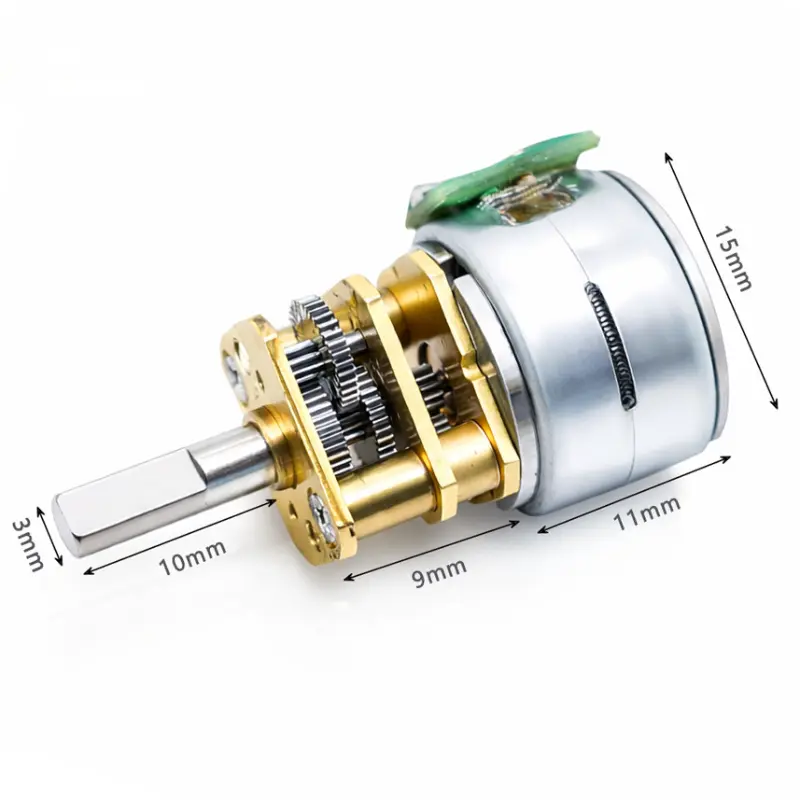
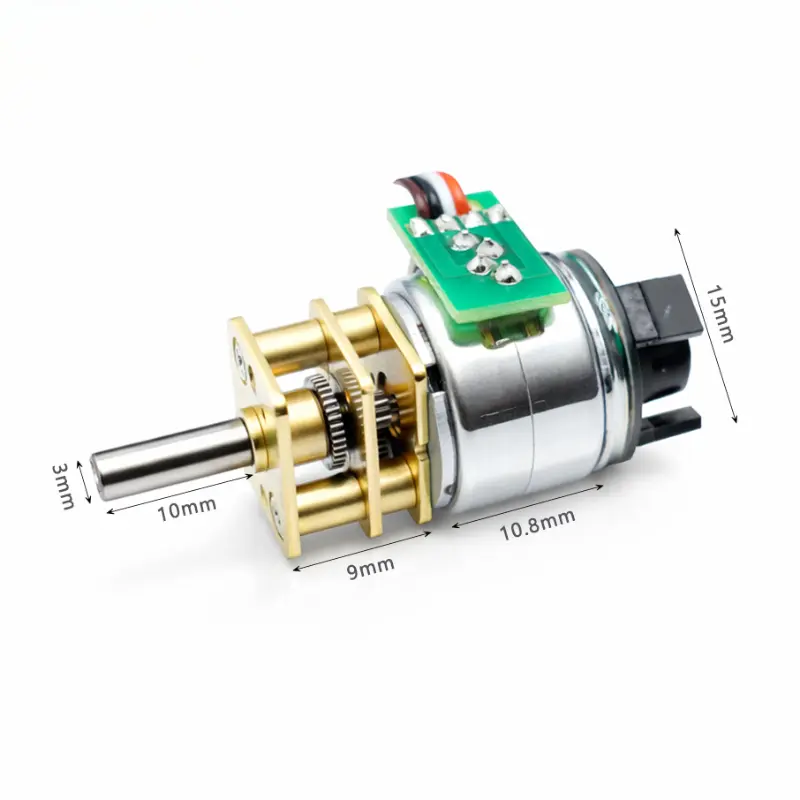
Kechen Geared Stepper Motor 3D Design
Gear Reduction, Output Torque & Positioning
A geared stepper motor combines a stepper motor with a reduction gearbox to provide lower output speed and increased available torque. The gear ratio also reduces the theoretical output step angle, allowing smaller angular movements at the gearbox output shaft. Actual performance depends on motor speed, running torque, gearbox efficiency, backlash and mechanical load.
Gear Ratio and Output Speed
The reduction ratio describes the relationship between motor shaft speed and gearbox output speed. A 20:1 gearbox produces one output revolution for every 20 motor revolutions. For the same motor speed, a higher reduction ratio results in a lower output speed.
Output Speed Calculation
Output Speed (RPM) = Motor Speed (RPM) ÷ Gear Ratio
Example: 600 RPM ÷ 20 = 30 RPM output speed.
The calculated output speed is based on motor shaft speed and gear ratio. The motor must still produce enough torque at the required operating speed. Acceleration, load inertia and available driver current also affect whether the motor can maintain the required motion without losing steps.
Output Torque and Gearbox Load Limits
Gear reduction increases the torque available at the output shaft, but the increase is affected by gearbox efficiency. Actual output torque also depends on the motor’s running torque at the selected speed.
Output Torque Calculation
Output Torque ≈ Motor Running Torque × Gear Ratio × Gearbox Efficiency
The calculated value must remain within the gearbox’s rated output torque and mechanical load limits.
Motor holding torque and gearbox output torque are different specifications. Holding torque describes the motor’s static holding capability under specified electrical conditions. It should not be treated as continuous running torque or as the allowable torque rating of the gearbox.
Output Step Angle and Positioning Accuracy
The gearbox reduces the theoretical step angle at the output shaft. For a geared stepper motor operating in full-step mode, the output step angle depends on the motor step angle and the reduction ratio.
Output Step Angle Calculation
Output Step Angle = Motor Step Angle ÷ Gear Ratio
Example: An 18° stepper motor with a 20:1 gearbox has a theoretical output step angle of 0.9° per motor full step.
A smaller theoretical output step angle does not guarantee better absolute positioning accuracy. Gearbox backlash, motor step accuracy, shaft compliance and external loading all affect the final position. These factors become more important when the mechanism repeatedly changes direction.
Gearbox Backlash and Encoder Feedback
Backlash is the mechanical clearance between mating gears. When the motor reverses direction, part of the initial movement may be used to take up this clearance before the output shaft responds. Applications requiring accurate bidirectional positioning should evaluate the gearbox backlash under the intended load.
Selected stepper motor with gearbox and encoder configurations can provide position feedback. Encoder mounting location matters: an encoder fitted to the motor shaft measures motor rotation, while an output-shaft encoder can measure movement after the gearbox. Motor-shaft feedback alone does not directly measure gearbox backlash or external output-shaft movement.
Compatible stepper motor drivers must be selected according to motor phase current, winding characteristics, operating speed and control requirements. Microstepping can provide finer commanded motion, but the resulting microstep positions should not be assumed to have the same accuracy as full-step positions.
Geared Stepper Motor Selection Guide
Selecting a geared stepper motor starts with the required load movement. The motor, gearbox and driver must be evaluated together rather than selected by motor size or gear ratio alone. The following parameters help determine which configuration is suitable for the equipment.
| Selection Parameter | Engineering Requirements |
|---|---|
| Output Torque | Running torque, acceleration torque, peak load and gearbox allowable output torque. |
| Output Speed | Required output RPM, motor operating speed and available torque at that speed. |
| Gear Reduction Ratio | Required relationship between motor speed and output speed, including gearbox efficiency and mechanical limits. |
| Step Angle & Resolution | Motor step angle, theoretical output step angle, required angular movement and positioning accuracy. |
| Gearbox Backlash | Allowable lost motion during direction changes and its effect on positioning repeatability. |
| Electrical Parameters | Operating voltage, phase current, winding resistance, supply conditions and driver compatibility. |
| Output Shaft & Mounting | Shaft diameter, shaft length, D-shaped or round shaft, mounting holes, gearbox dimensions and allowable shaft loads. |
| Encoder & Driver | Feedback requirements, encoder resolution, encoder location, compatible stepper motor driver and control method. |
| Duty Cycle | Operating duration, start-stop frequency, temperature rise, load conditions and expected working cycle. |
Selection parameters vary by motor and gearbox design. Final performance should be checked against model specifications, mechanical drawings and application testing.
Industrial Applications of Geared Stepper Motors
Geared stepper motors are used in equipment requiring low-speed rotary motion, controlled positioning and suitable output torque. Each application has different requirements for gear reduction, backlash, shaft loading and operating cycles.
Industrial Automation & Material Handling
Geared stepper motors drive rotary indexing tables, sorting gates and small positioning mechanisms. Gear reduction helps match motor speed and torque to repeated start-stop movements, while the motor must provide sufficient torque during acceleration.
Selection Considerations
Acceleration torque, load inertia, indexing angle, cycle time and gearbox backlash.
Precision Instruments & Optical Equipment
Small geared stepper motors are used for camera positioning, optical adjustments and instrument calibration. Gear reduction allows smaller theoretical output steps, while gearbox backlash can affect positioning when the direction changes. Encoder feedback may be considered where position monitoring is required.
Selection Considerations
Output step angle, repeatability, backlash, shaft loading and encoder requirements.
3D Printing & Desktop Automation
Geared stepper motors can operate filament feeders, rotary dispensers and auxiliary adjustment mechanisms. The gearbox helps provide the torque needed to overcome material feeding resistance at the required output speed.
Selection Considerations
Feed resistance, running torque, gear ratio, output RPM and temperature rise.
Medical & Laboratory Instrumentation
Micro geared stepper motors can drive sample handling devices, dispensing mechanisms and instrument adjustments. Motor selection must account for mechanical resistance, limited installation space and the required operating cycle. Medical-device requirements need separate validation.
Selection Considerations
Motor dimensions, voltage, torque, noise, temperature rise and duty cycle.
Robotics & End-Effectors
Geared stepper motors are used in robotic grippers, small rotary joints and positioning mechanisms. Required output torque depends on gripping force, linkage geometry, load inertia and acceleration.
Selection Considerations
Gearbox torque limits, backlash, radial and axial shaft loads, and position holding requirements.
Valves, Dampers & Specialized Actuators
Small geared stepper motors operate rotary valves, HVAC dampers and access-control mechanisms. The gearbox helps match output speed and torque to the required travel angle and mechanical resistance. Worm gearboxes may be considered for right-angle output arrangements.
Selection Considerations
Breakaway torque, travel angle, end-stop load, gear ratio and environmental conditions. Worm gearbox self-locking requires verification.
Custom Geared Stepper Motors for OEM Projects
Kechen Motor provides geared stepper motor customization based on electrical and mechanical requirements. Motor electrical parameters are developed according to the required voltage, current, speed and torque. Mechanical options include gearbox ratios, output shaft dimensions, shaft lengths, connectors, cables and mounting arrangements. Encoder integration and compatible stepper motor drivers can also be discussed for selected configurations.
For a new project, our engineering team can review the required output speed, operating torque, mounting space, gear reduction ratio and working cycle. Existing motor drawings, gearbox dimensions and electrical specifications are useful when evaluating whether a standard design can be adapted or a different configuration is required.
Request a Geared Stepper Motor Quote
Please share the following information for motor selection and quotation:
- Application and required movement
- Operating voltage and phase current, if known
- Required output speed and output torque
- Available installation dimensions and shaft requirements
- Gearbox type or preferred reduction ratio
- Duty cycle and operating conditions
- Estimated order quantity
Kechen Motor can review suitable motor and gearbox configurations and discuss sample evaluation based on your project requirements.