

Precision Instrument
- High angular resolution for precise positioning in analytical equipment.
- Low-vibration performance to ensure data accuracy in optical devices.
- Standard mounting interfaces compatible with most laboratory hardware.
- Long-term reliability with minimized maintenance in automated testers.
Kechen Motor – Precision Instrument Motor Manufacturer in China
The development of laboratory and diagnostic instruments often involves a focus on motion components that can sustain repeatability and mechanical stability. In high-accuracy environments, the performance characteristics of a micro motor are frequently linked to the consistency of the data collected. Our motor series is engineered to address the structural rigidity required for high-frequency sampling and sensitive optical positioning, aiming to mitigate the risk of mechanical resonance.
By utilizing precision-ground components and optimized magnetic circuits, these motors are designed to provide steady torque output with controlled thermal expansion. This approach helps maintain instrument calibration over extended operational periods, which can contribute to longer intervals between routine maintenance or recalibration cycles.
Dynamic Response and Control Loop Compatibility
In closed-loop analytical systems, the motor’s responsiveness to drive signals determines the overall throughput of the instrument. Our motors are characterized by low rotor inertia, allowing for rapid acceleration and deceleration cycles without sacrificing positional accuracy. This dynamic performance is essential for applications like high-speed shutter control or rapid sample indexing where settling time must be minimized.
We ensure that our motor windings are compatible with a wide range of industry-standard drivers and controllers. By providing detailed inductance and resistance data, we assist design engineers in fine-tuning their PID (Proportional-Integral-Derivative) loops, ensuring stable motion profiles and preventing overshooting during critical positioning tasks.
Tailored Configurations for Specialized Instrumentation
Recognizing that “standard” components often require adjustment for high-tier instruments, our engineering department provides a structured modification service. We focus on the functional aspects of the motor to ensure it meets the specific load profiles of your application.
- Shaft Modifications: Custom lengths, D-cuts, cross-holes, or splines for direct coupling.
- Electrical Interface: Specialized connector terminations and high-flex lead wires for dynamic movement.
- Gearbox Integration: Matching with planetary or spur gearheads to reach specific torque-speed ratios.
- Encoder Feedback: Integration of high-resolution sensors for closed-loop positioning accuracy.
Kechen Precision Instrument Motor Products
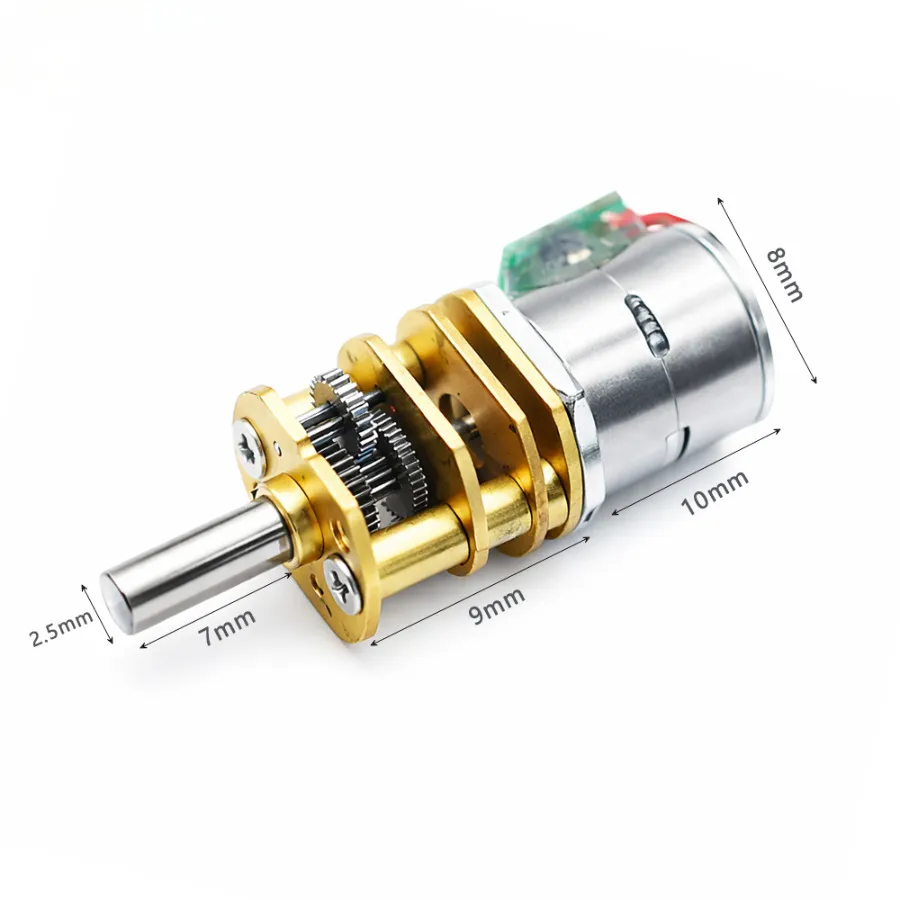
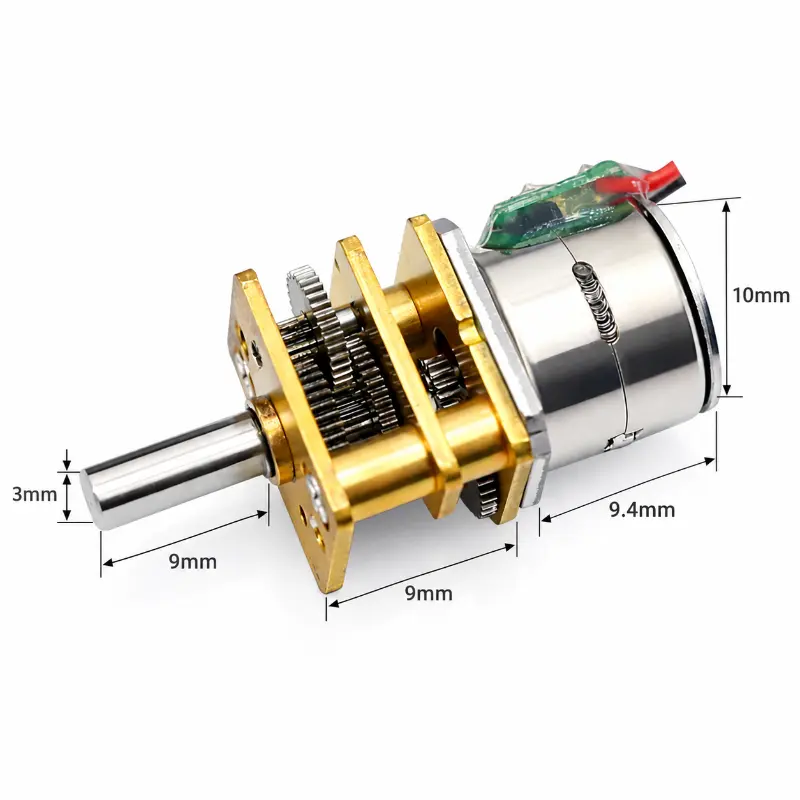
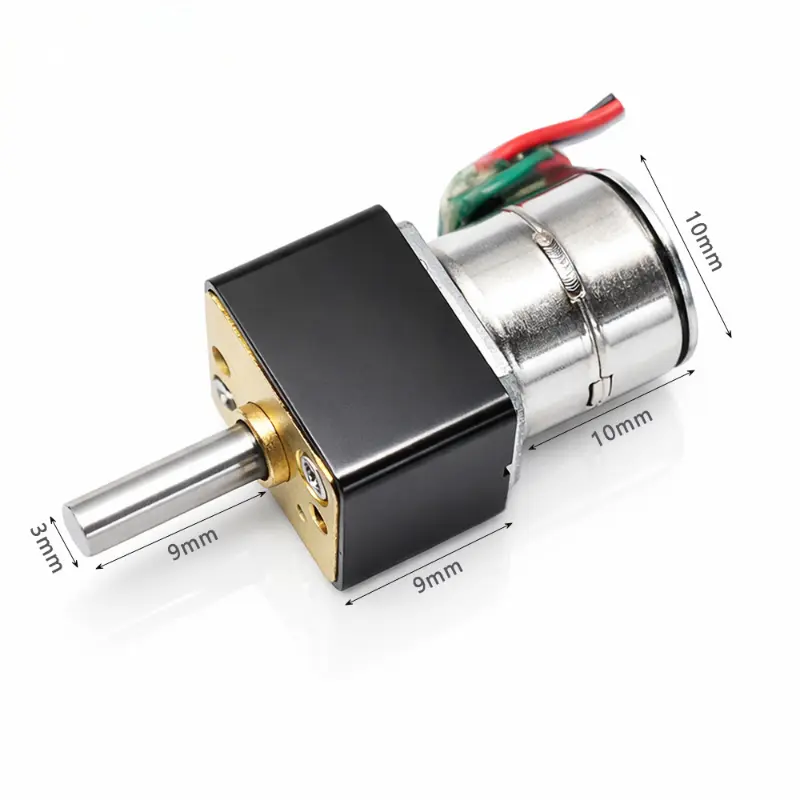
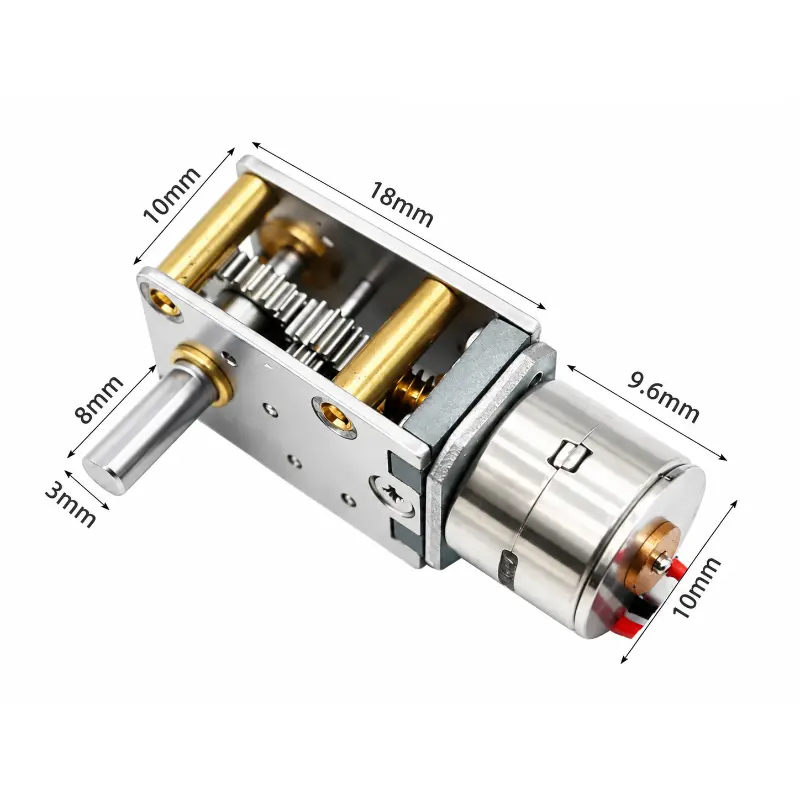
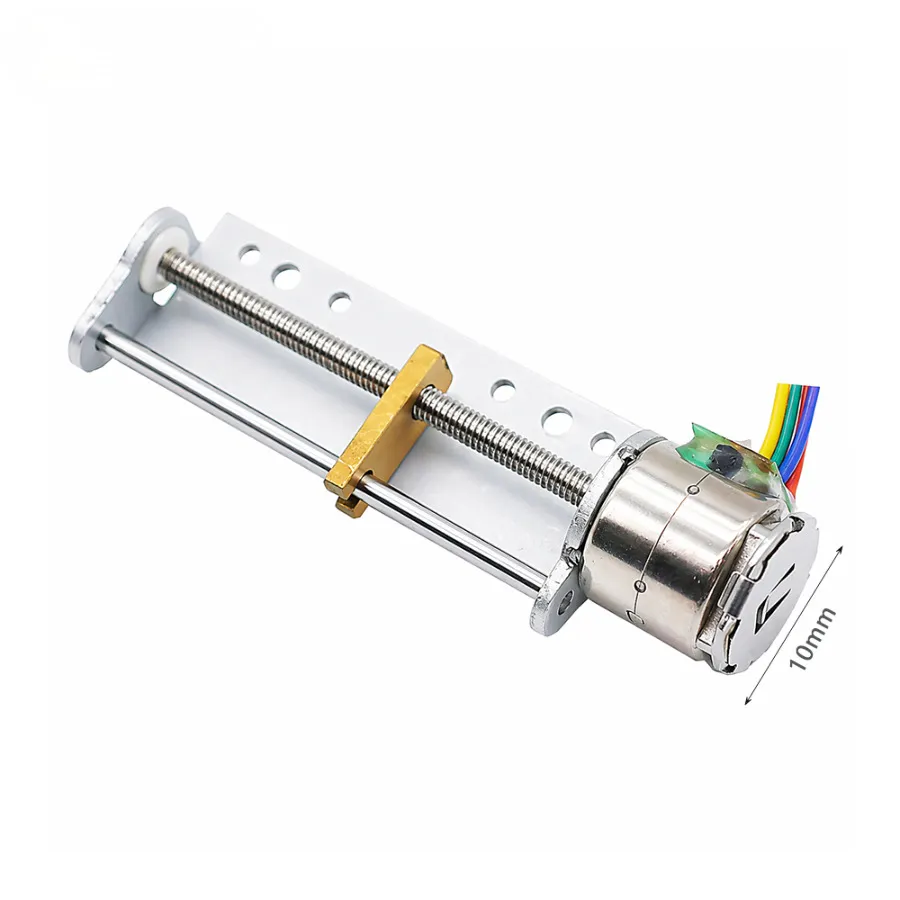
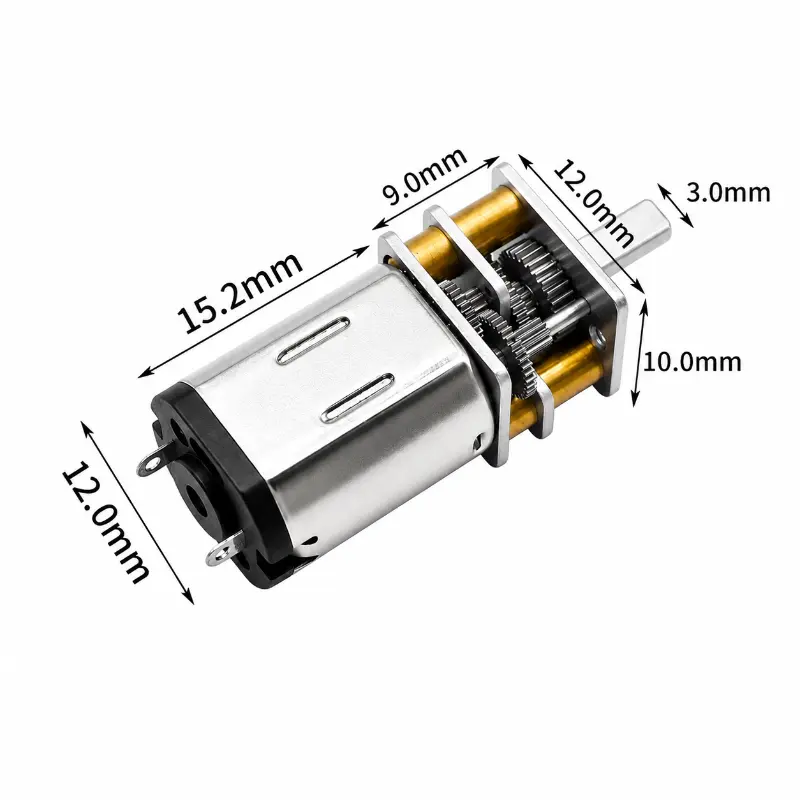
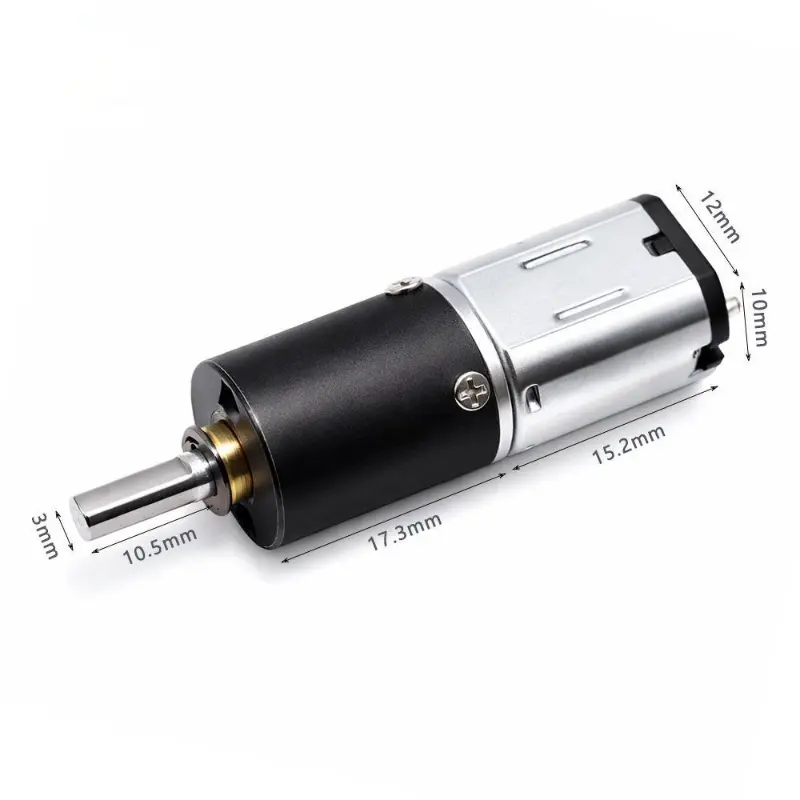
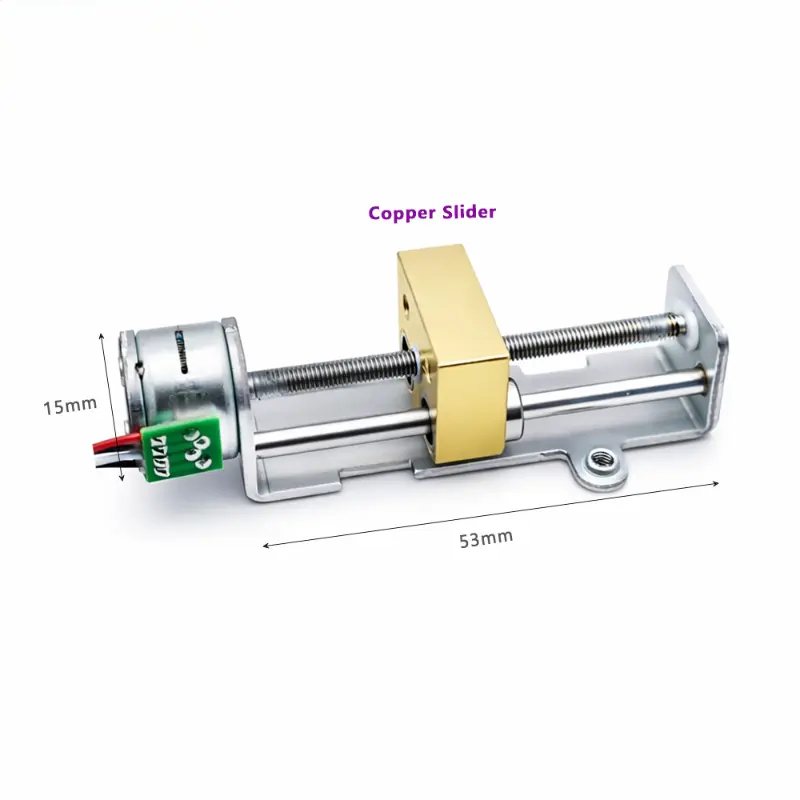
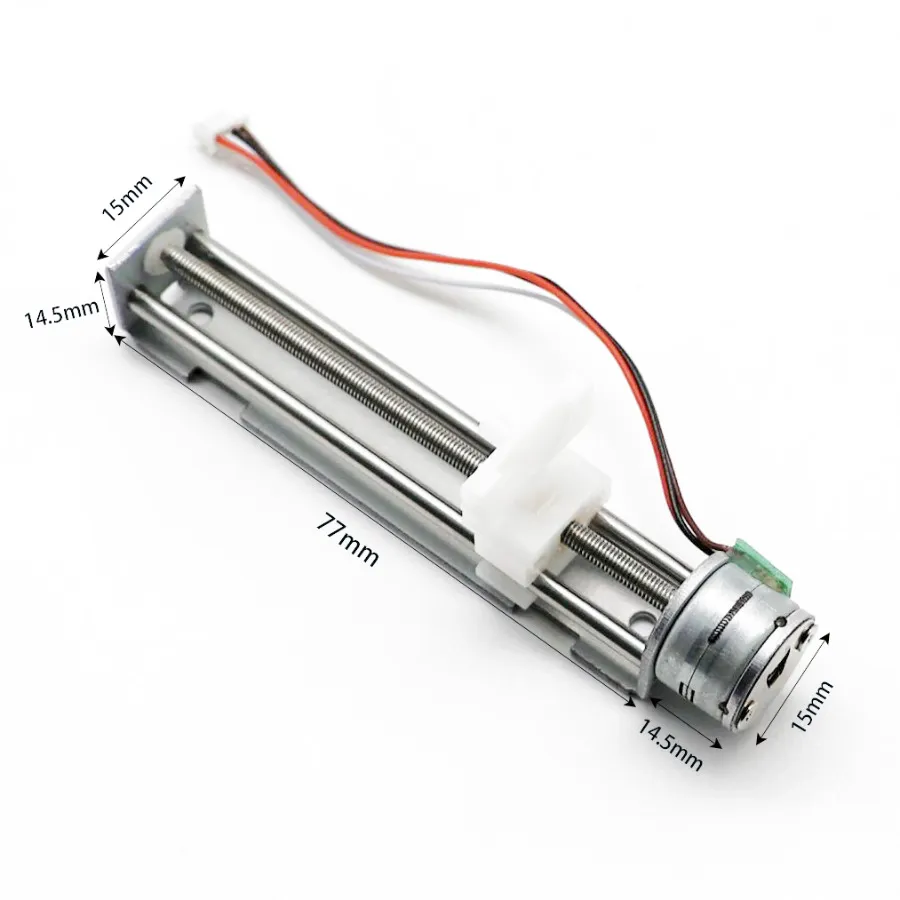
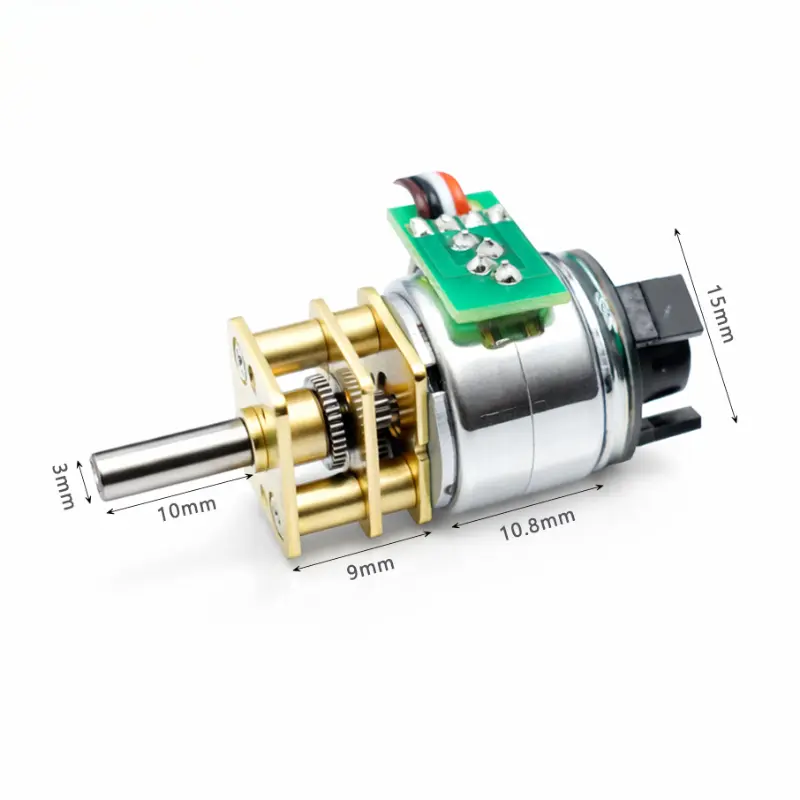
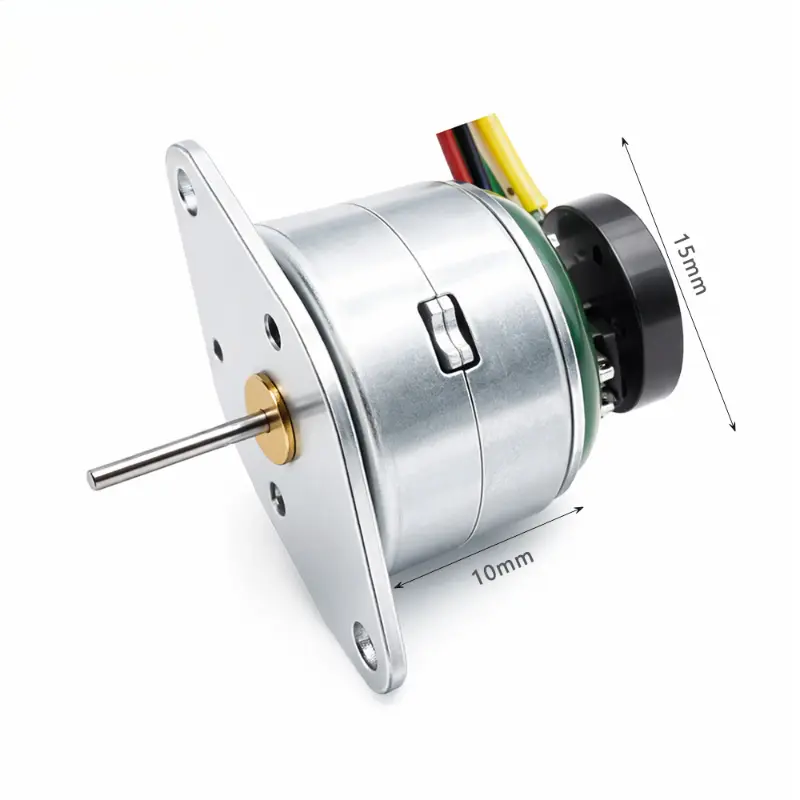
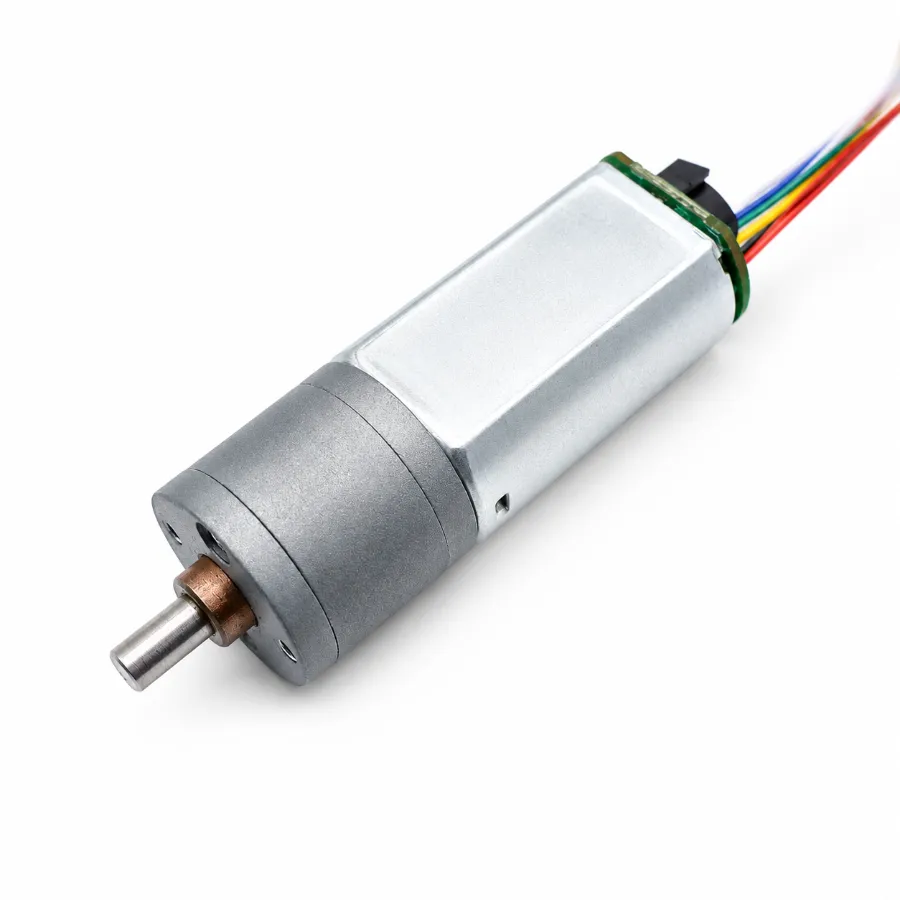
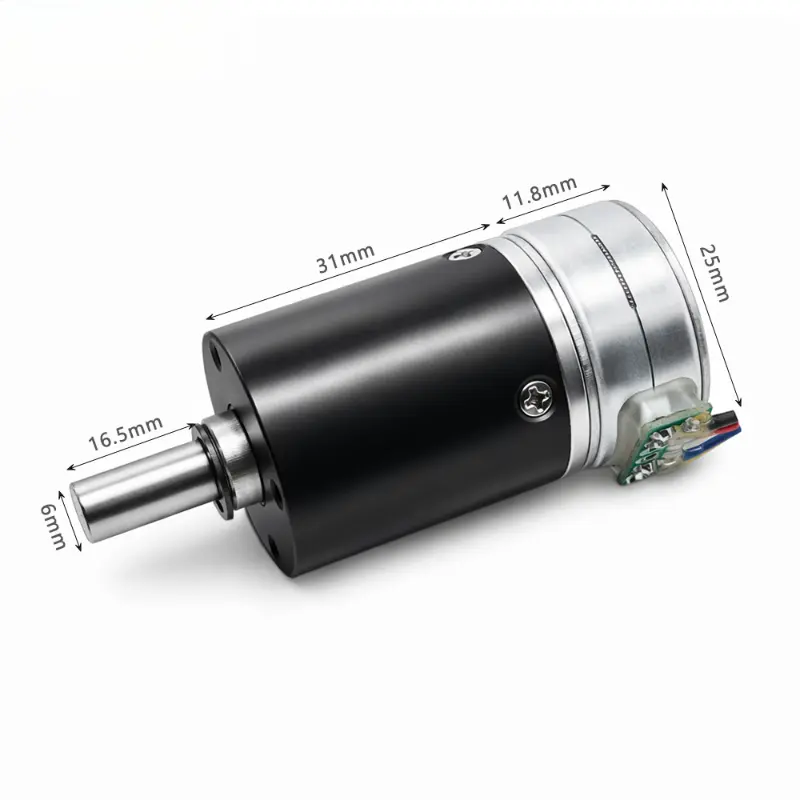
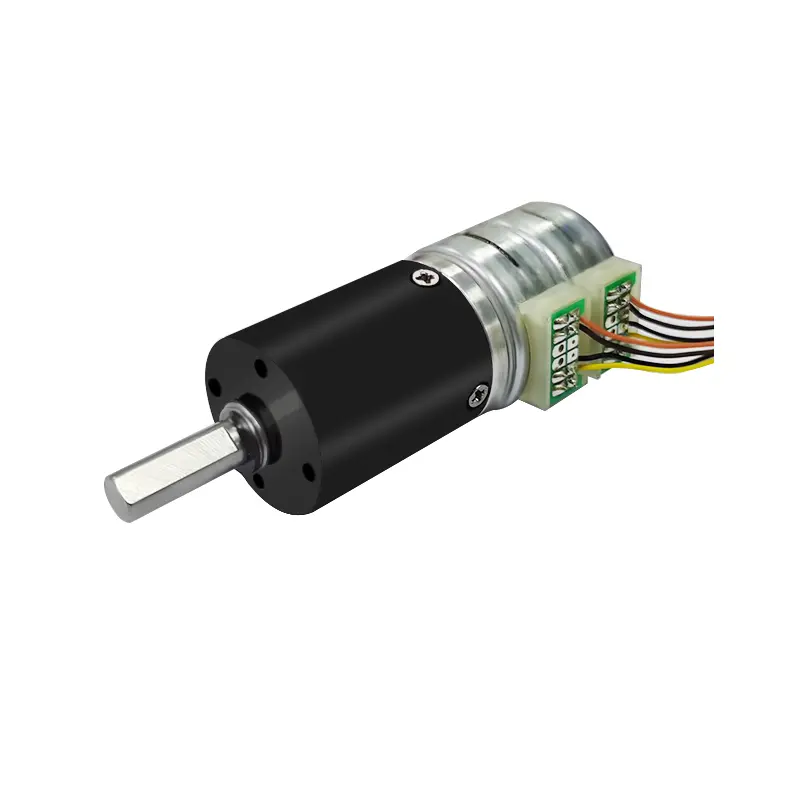
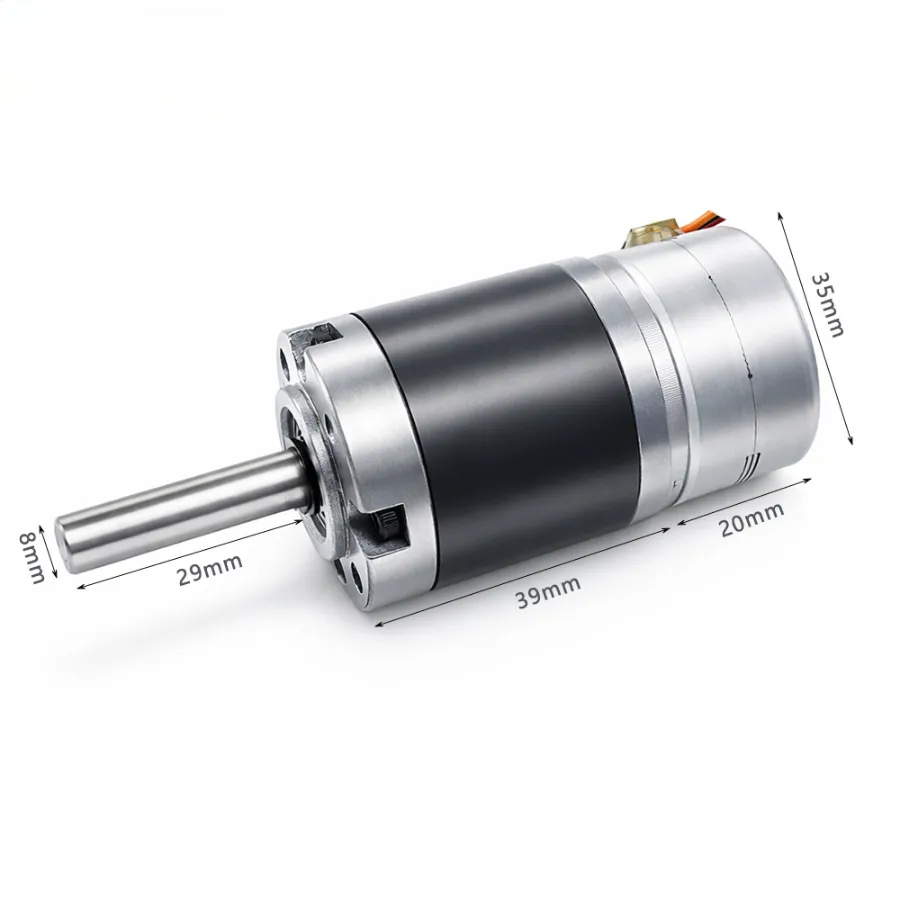
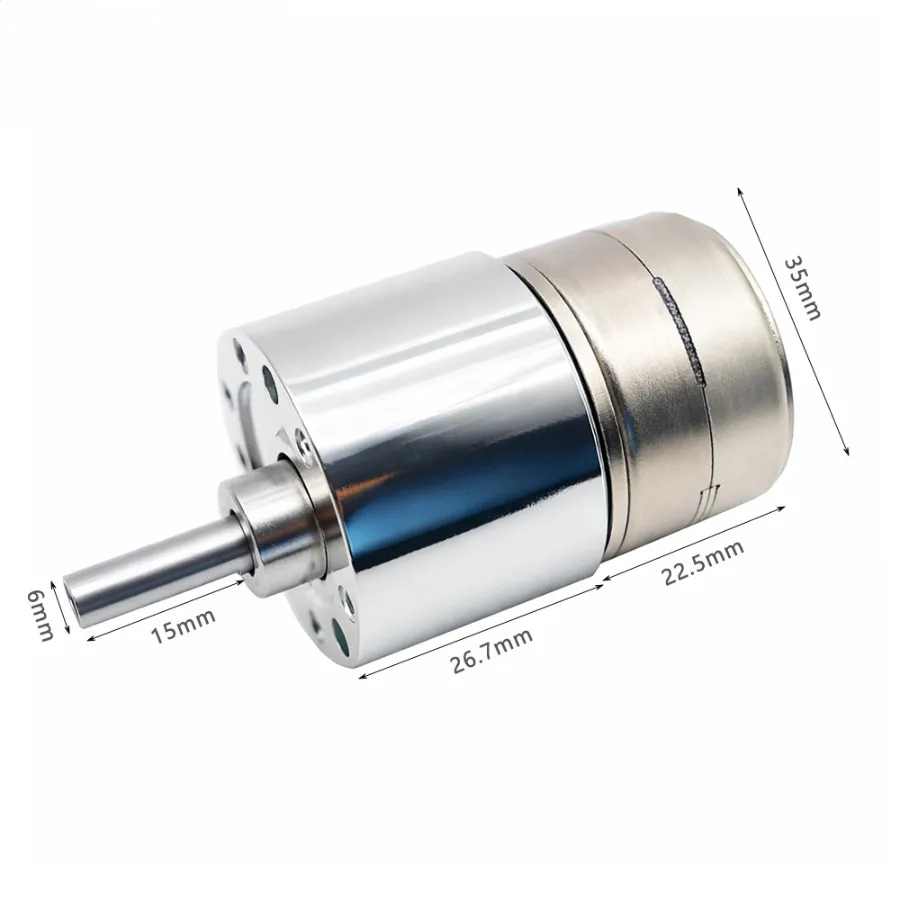
High Torque 180 Geared DC Motor with Magnetic Encoder for Precision Control – KC-GM20-180SH
Send Inquiry Now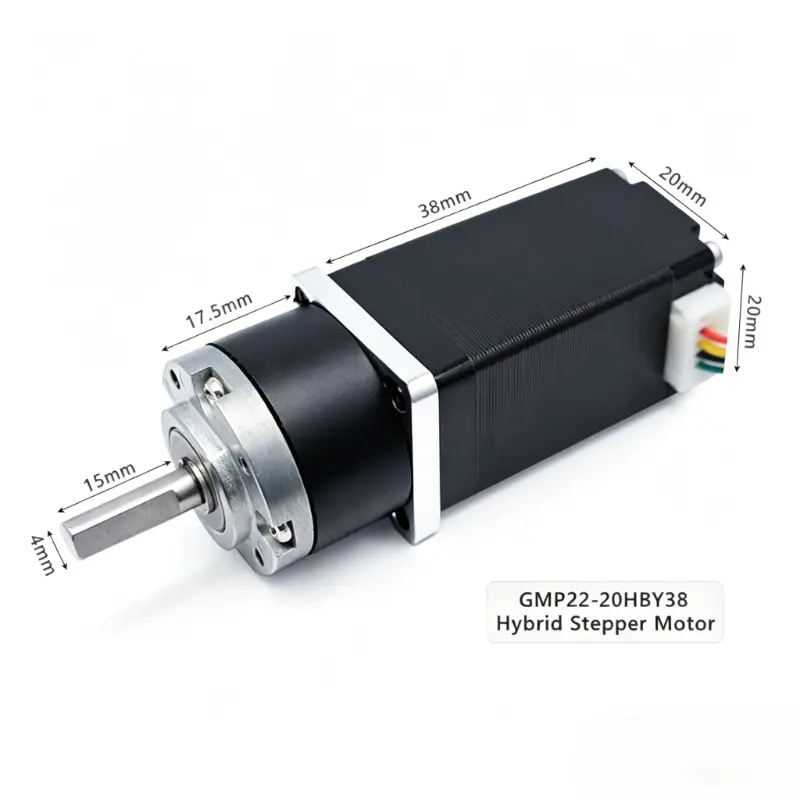
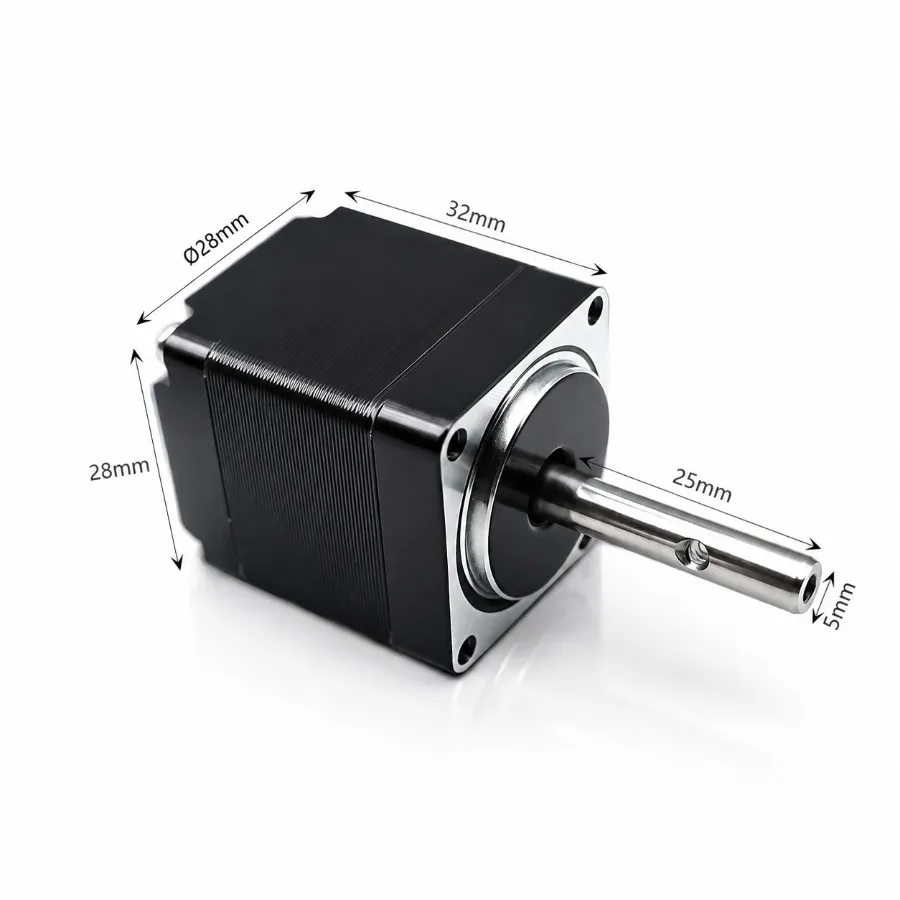
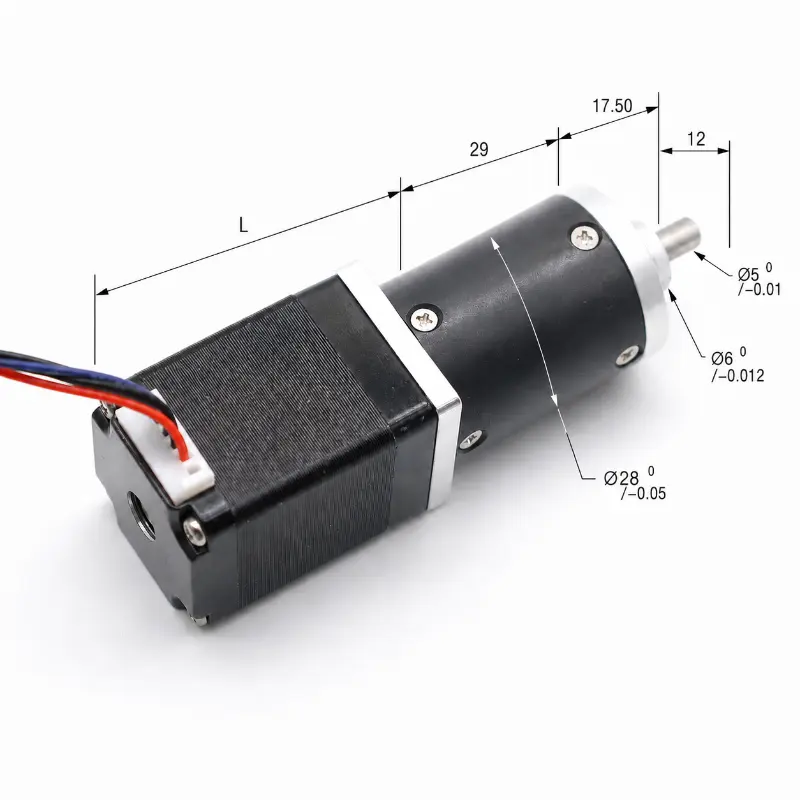
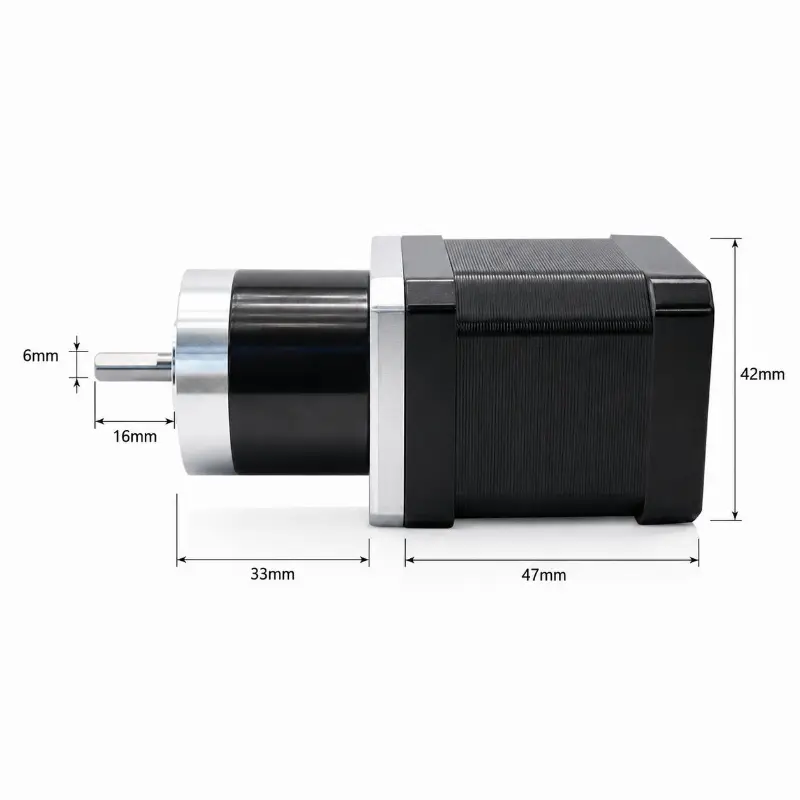
NEMA 8 Planetary Geared Stepper Motor 20mm 2 Phase Hybrid 1:36 Gearbox KC-20HYB38L4-215
Send Inquiry Now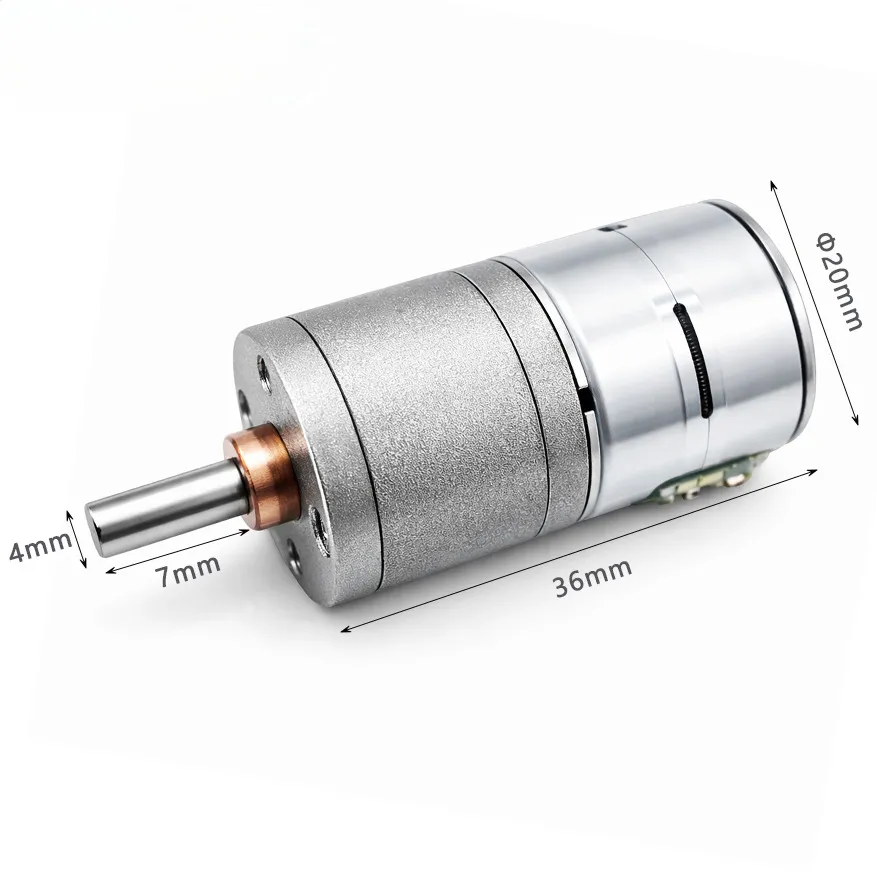
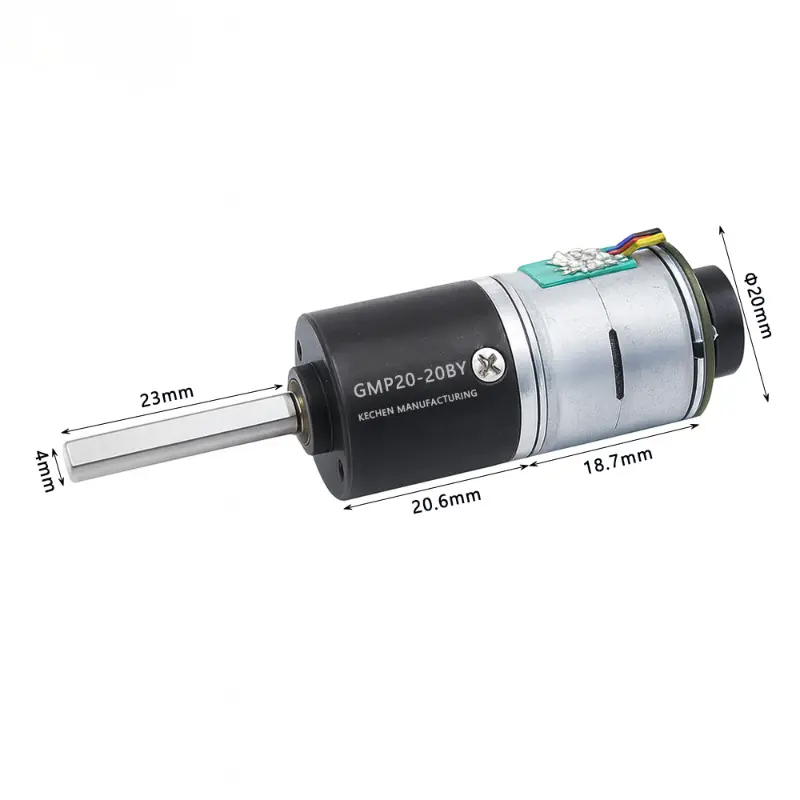
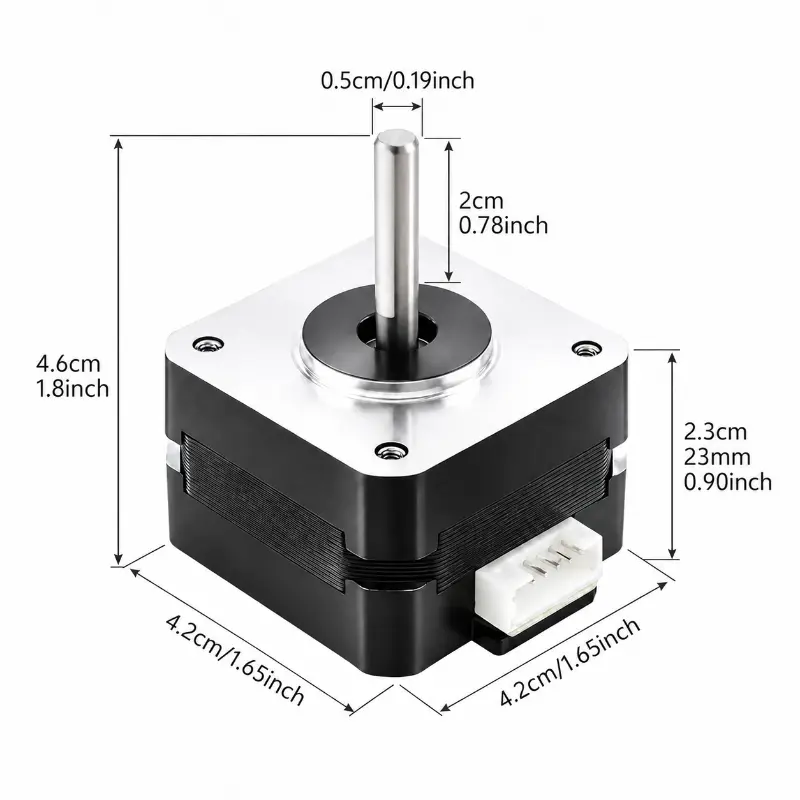
Precision Alignment and Mechanical Consistency
For optical and fluidic instrumentation, the concentricity of the motor shaft is a critical variable. Our manufacturing process utilizes centerless grinding for all shaft components, ensuring that radial runout is held within strict tolerances. This mechanical consistency reduces the cumulative error in multi-axis systems, such as those found in automated microscopy or microplate readers.
Furthermore, we utilize high-performance synthetic lubricants within our bearing assemblies. This choice is intended to minimize outgassing in vacuum-sensitive environments and maintain a stable friction coefficient across varying ambient temperatures, ensuring the motor’s starting torque remains predictable from the first cycle.
Mitigation of Electromagnetic Interference (EMI)
Precision instruments—such as mass spectrometers or high-gain amplifiers—are highly susceptible to electronic noise. To address this, our motors are designed with low-cogging torque and optimized commutation logic to reduce electrical spikes. The structural design includes grounding points and shielded lead-wire options to contain electromagnetic emissions at the source.
By minimizing conducted and radiated interference, these motors support a “clean” electronic environment. This focus on EMC (Electromagnetic Compatibility) reduces the need for secondary shielding or complex filtering in the instrument’s power supply unit, potentially lowering the overall bill of materials (BOM) cost and simplifying regulatory compliance testing.
Kechen Motor Applications
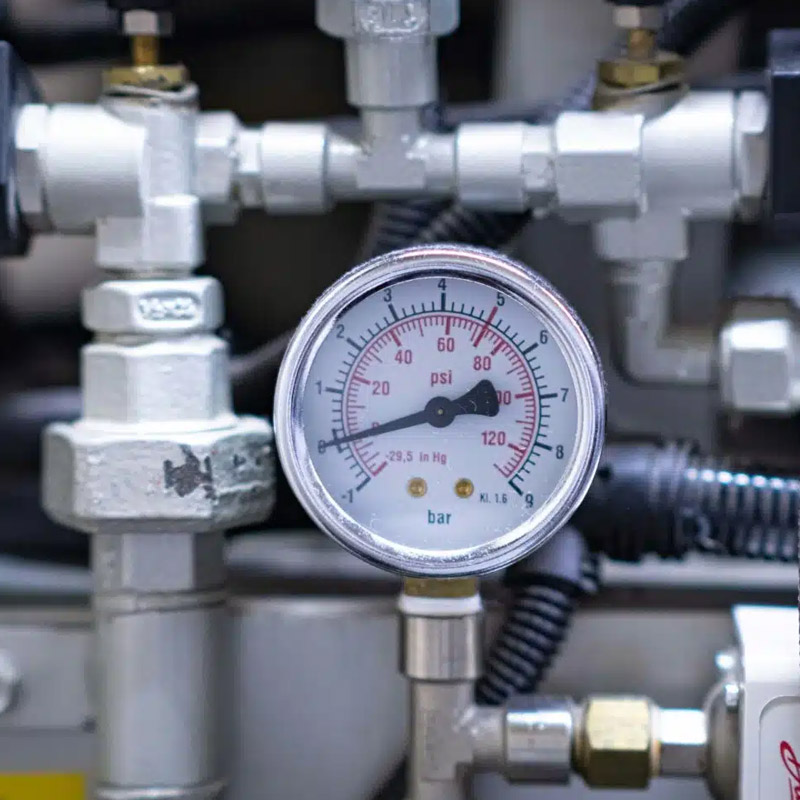
Industrial Automation
Kechen Motor – Industrial Automation Motor Manufacturer in China: Reliable motion control is the foundation of manufacturing.

Medical Equipment
Kechen Motor – Medical Equipment Motor Manufacturer in China: Medical hardware designers require dependable motion components.
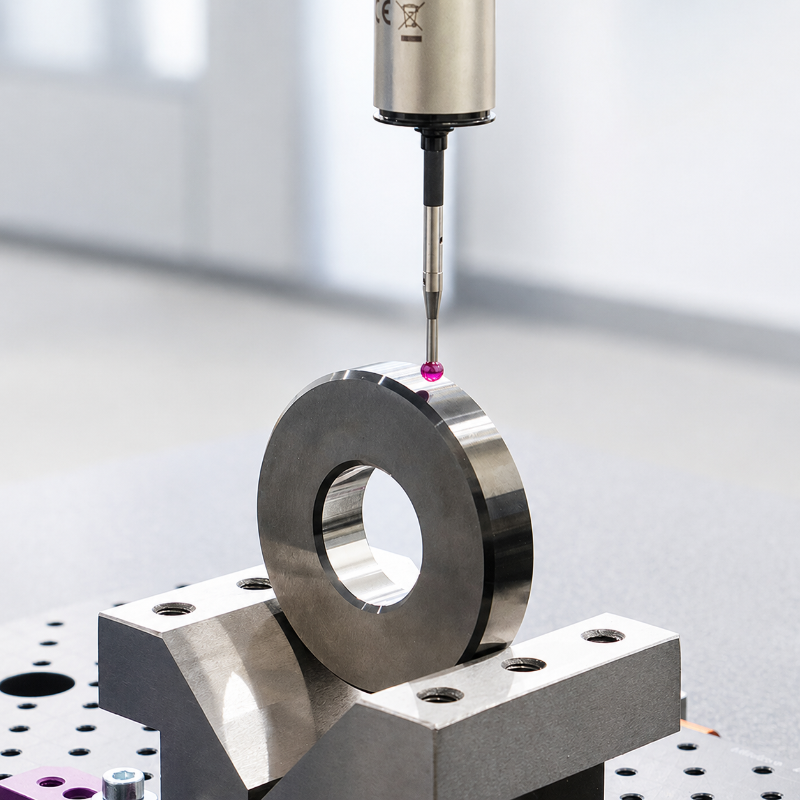
Precision Instrument
Kechen Motor – Precision Instrument Motor Manufacturer in China: High angular resolution enables precise optical positioning.
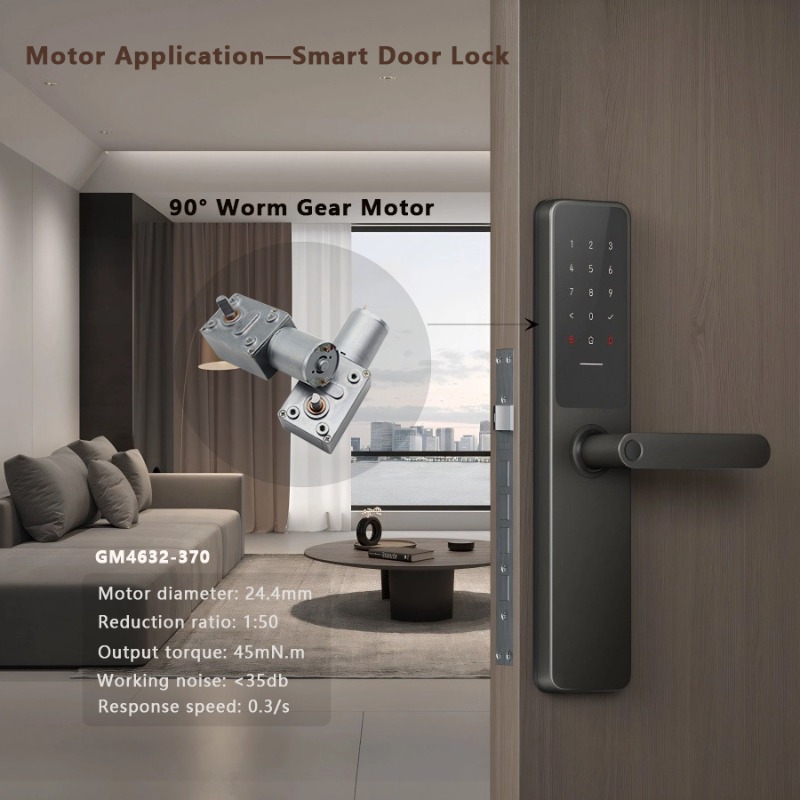
Smart Home Motor
Kechen Motor – Smart Home Motor Manufacturer in China: Modern residential automation requires motion control components.
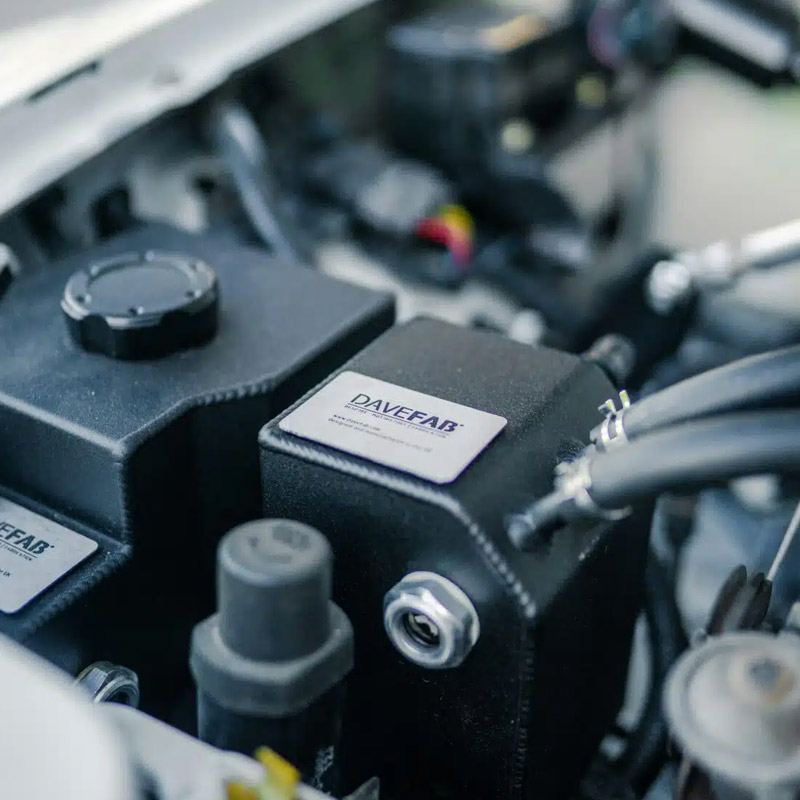
Automobile
Kechen Motor – Automobile Motor Manufacturer in China: Modern automotive engineering requires motion control components.

Beauty Equipment
Kechen Motor – Beauty Equipment Motor Manufacturer in China: Aesthetic industry reliability depends on the internal drive.