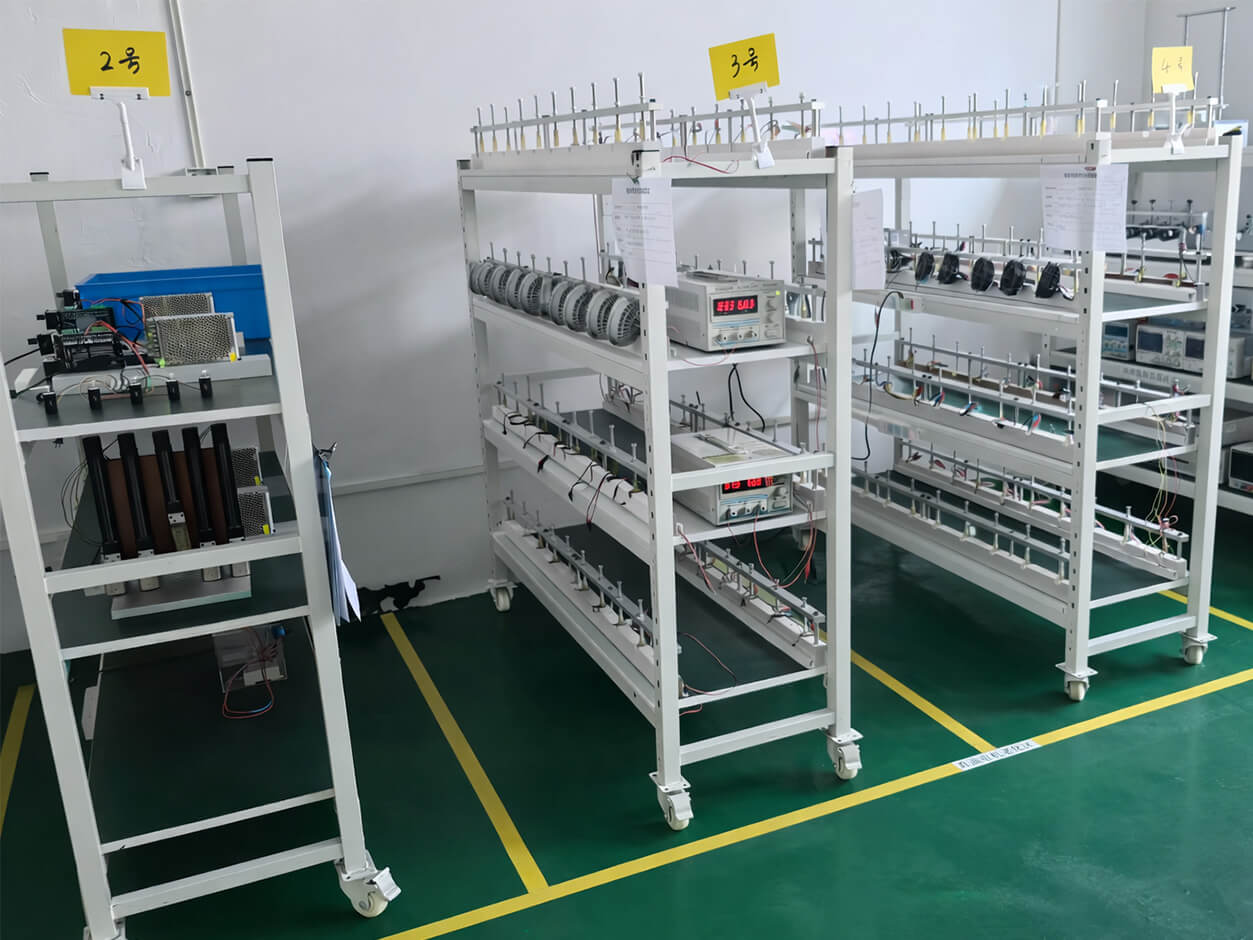
Micro Motor Quality Control
The quality control process in micro motor manufacturing is implemented throughout every stage of production to ensure that each unit meets technical requirements and maintains traceability. It begins with the inspection of all incoming materials and components, including metals, plastics, magnets, shafts, bearings, and electronic parts, which are verified for type, thickness, and grade. Chemical and material testing is applied where necessary to confirm specifications such as stainless steel grades 201 and 304.
During the bending and forming processes, dimensions, angles, and component positions are continuously monitored to ensure compliance with design drawings before welding and assembly, with adjustments made promptly if deviations are detected. In-process checks also include monitoring electrical and mechanical parameters, such as winding resistance, torque, rotational speed, and vibration characteristics, using calibrated instruments and standard testing equipment.
After assembly, final inspections are conducted to verify that all aspects of the motor, including dimensions, material thickness, components, fasteners, and overall structure, conform to the order specifications. Functional testing is performed to confirm reliable operation under defined conditions, and a quality control report is generated for each unit to provide complete traceability.
Systematic methodologies, including Failure Mode and Effects Analysis, Production Part Approval Process, and structured improvement tools such as PDCA cycles and 8D problem-solving approaches, are integrated throughout the workflow to prevent defects, improve consistency, and maintain long-term reliability. By applying these procedures at every stage, manufacturers ensure that each micro motor performs as designed and meets the requirements of industrial, automotive, and precision applications.
We have established a quality control system covering the entire product life cycle:
- R&D quality planning
- PPAP trial production verification
- Incoming Quality Control (IQC)
- Equipment Calibration & Traceability
- In-Process Quality Control (IPQC), Statistical Process Control (SPC)
- Final Quality Control (FQC), 100% Inspection
- Reliability Testing, Non-Destructive Testing (NDT)

High Precision Equipment
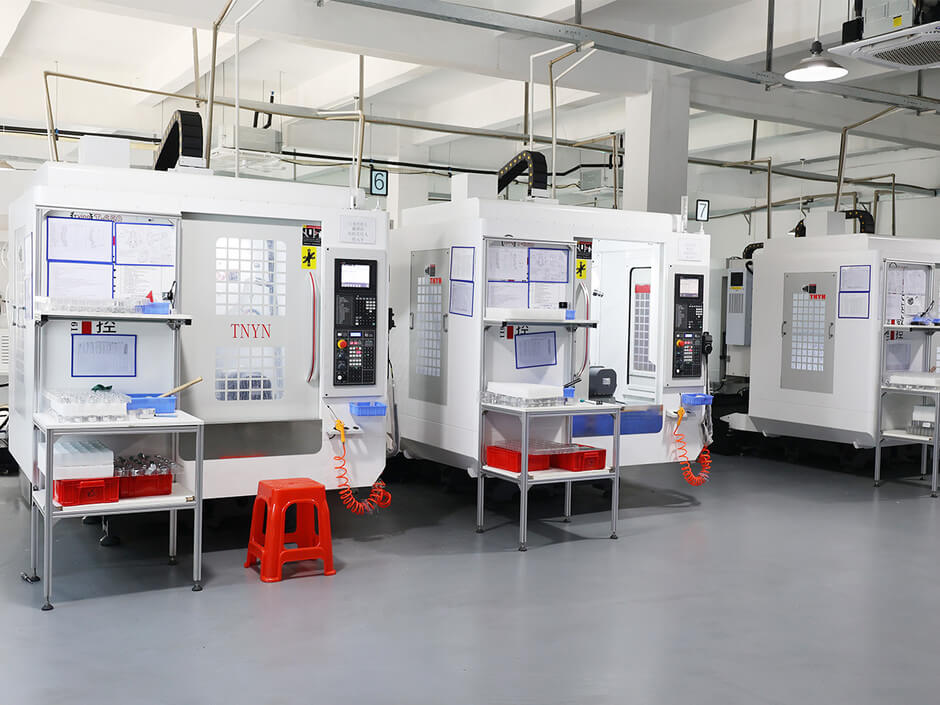
Precision CNC Lathe Shaft Machining
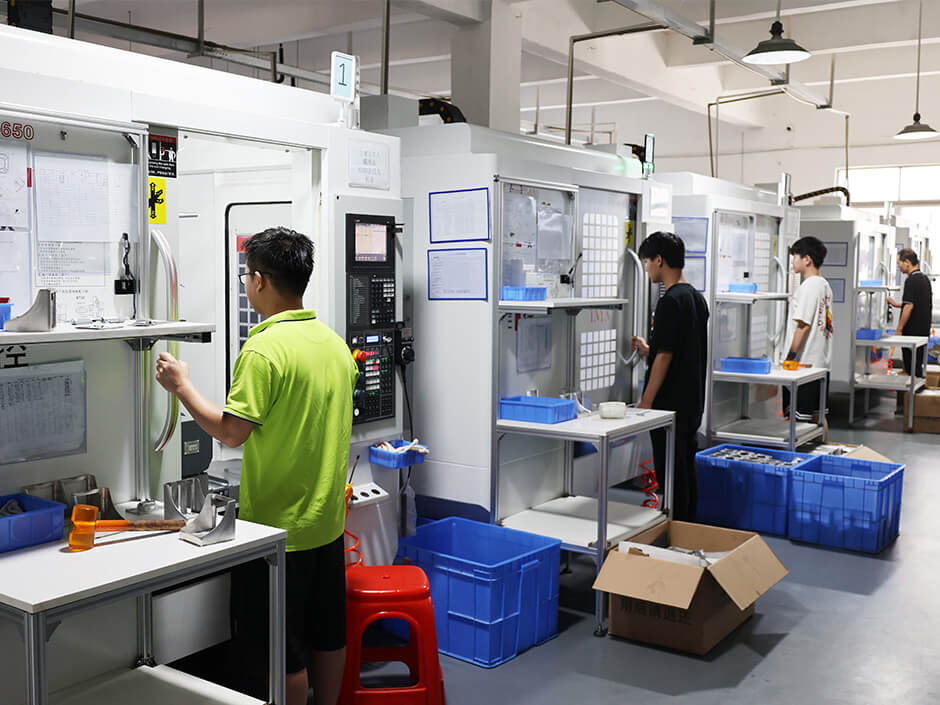
CNC Machining Center Precision Parts
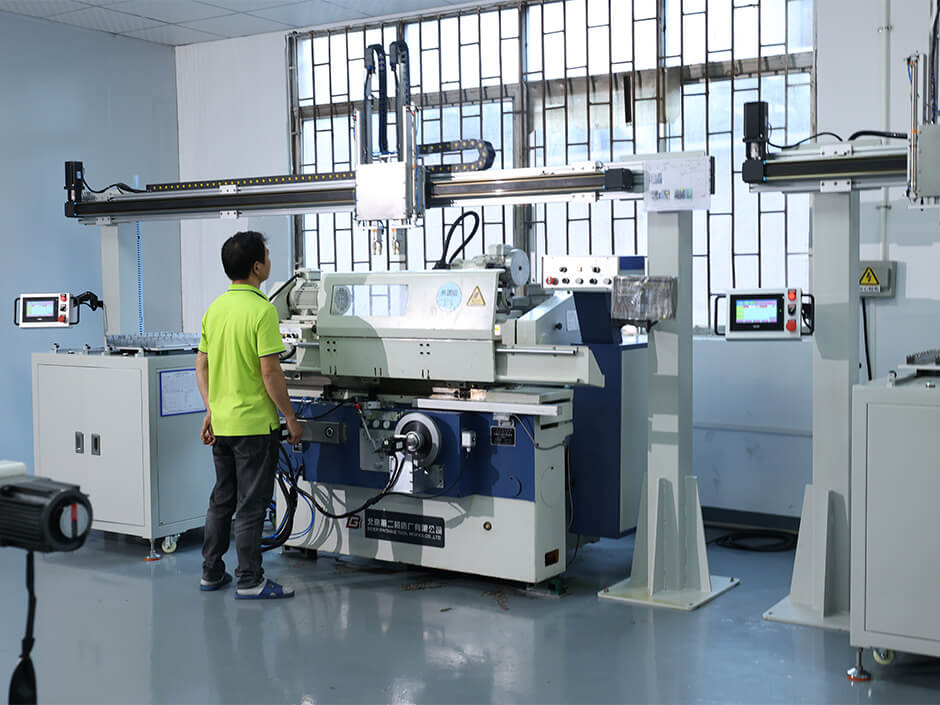
Stator Outer Diameter Grinding
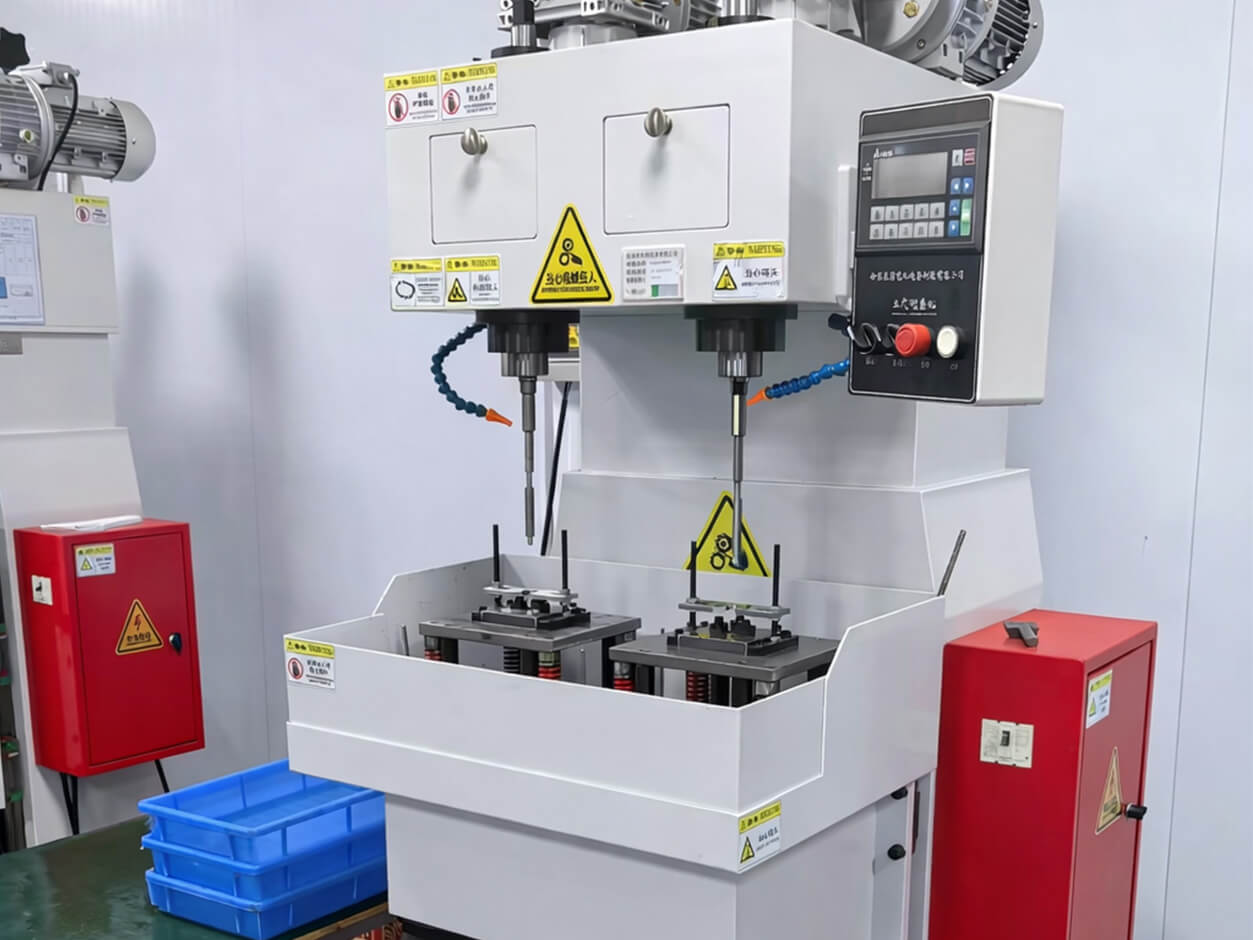
Rotor Precision Cylindrical Grinding
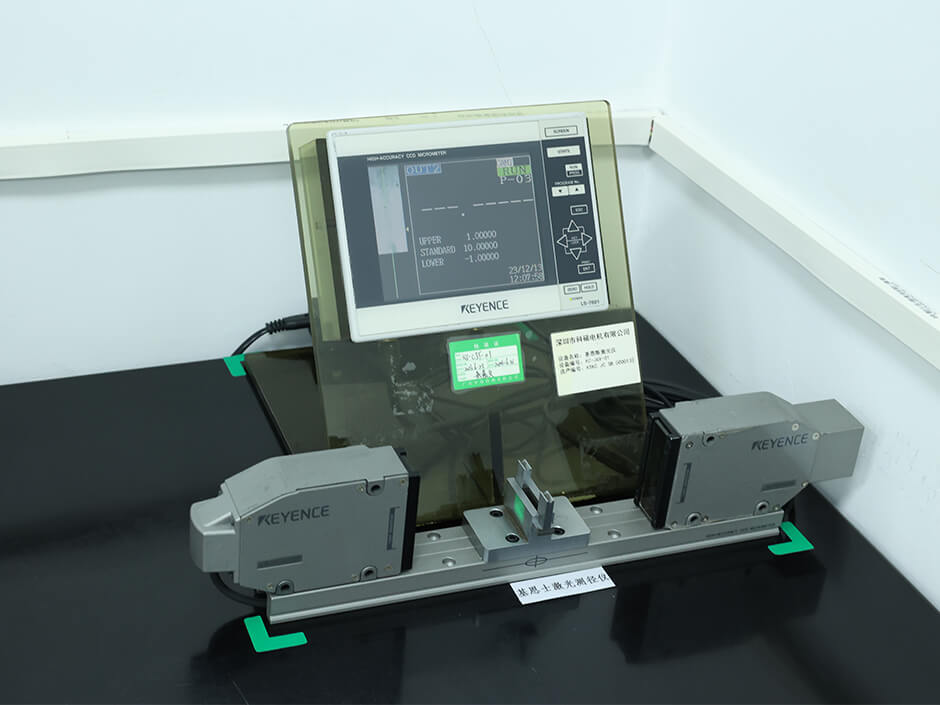
Keyence Laser Diameter Measurement
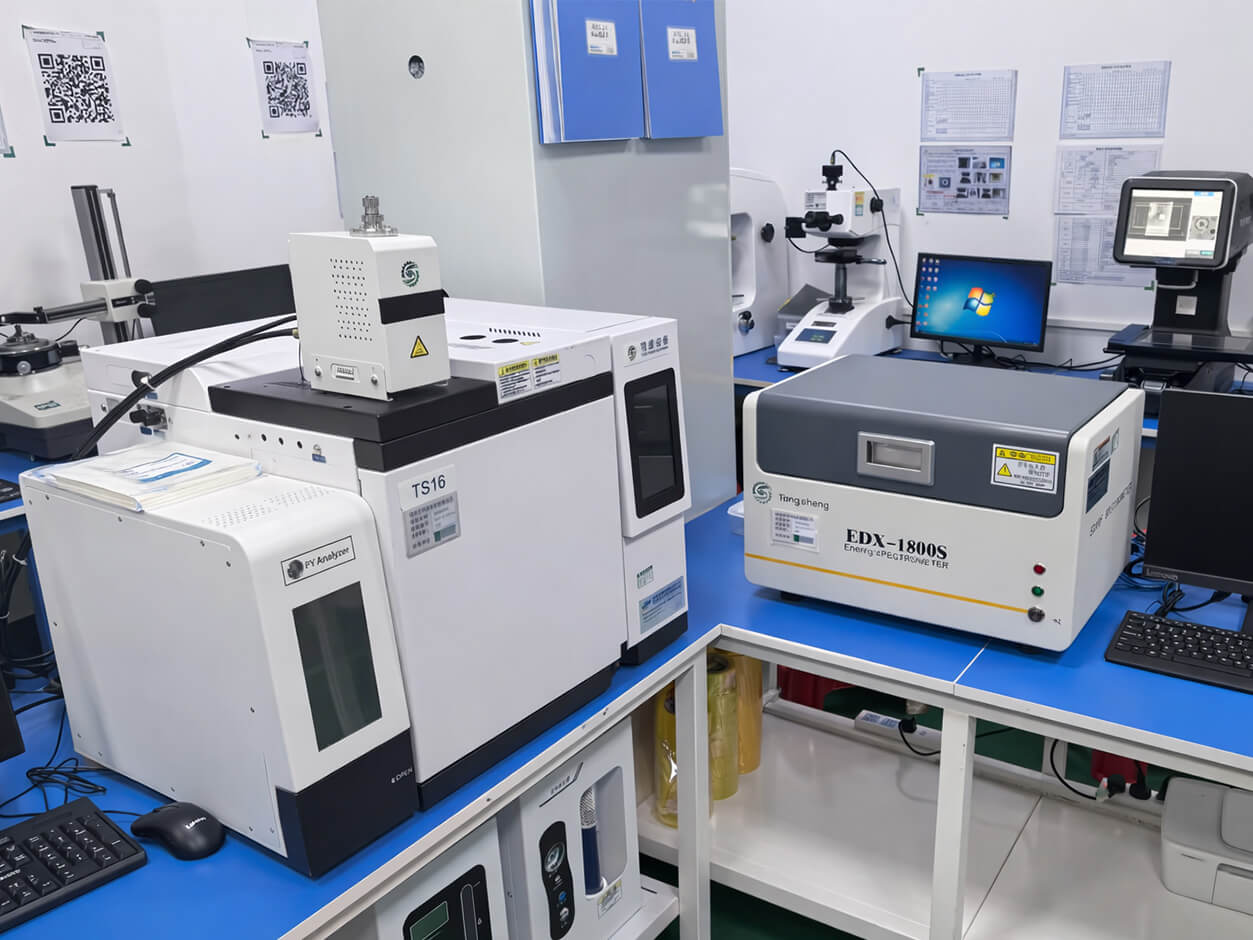
RoHS 2.0 Analyzer
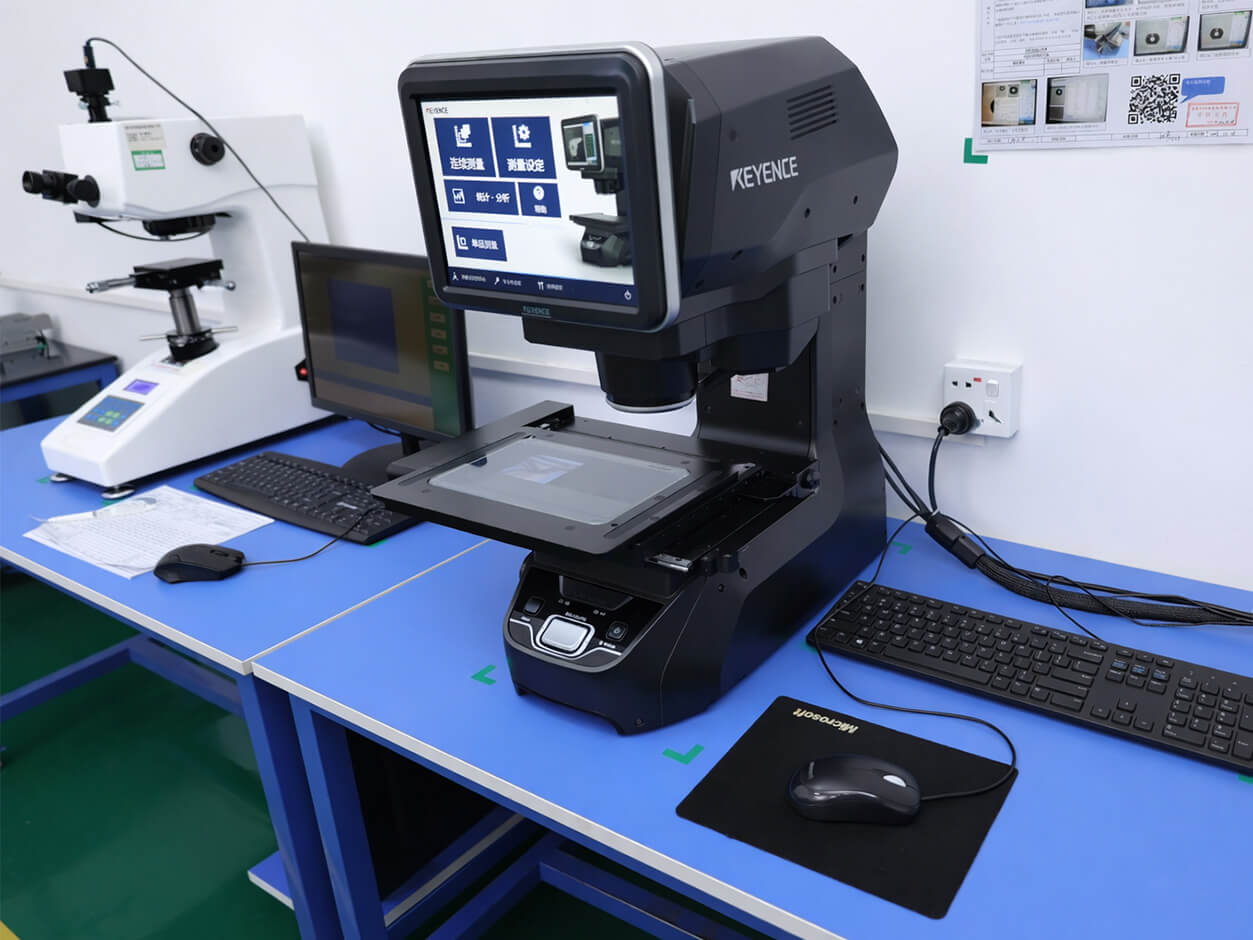
Ernst 2D Vision Measuring Machine
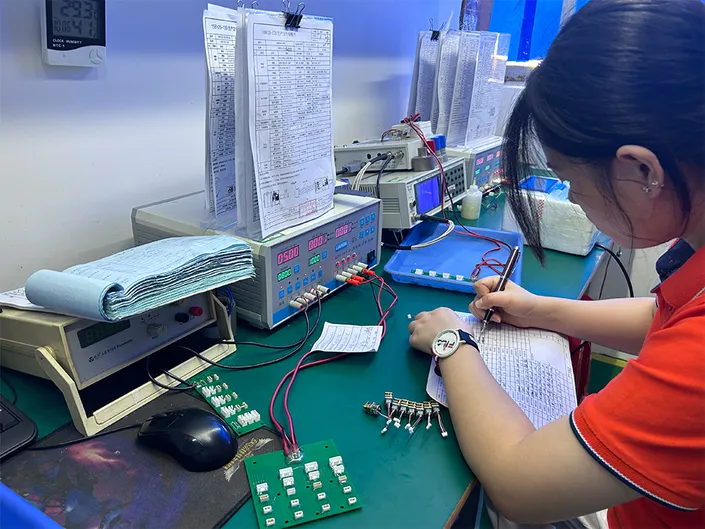
Reliability Testing Laboratory
Production Inspections
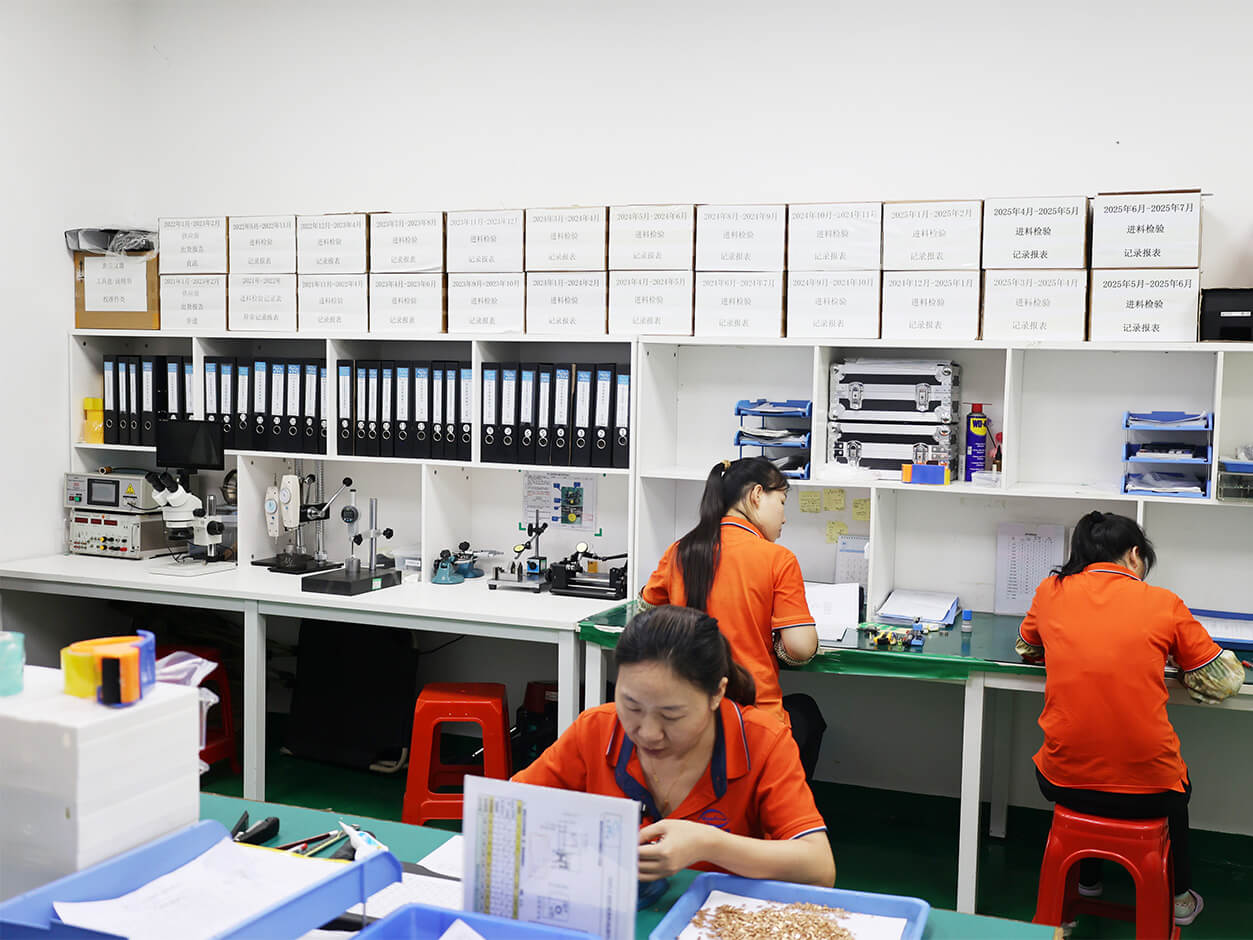
Production Quality Inspections
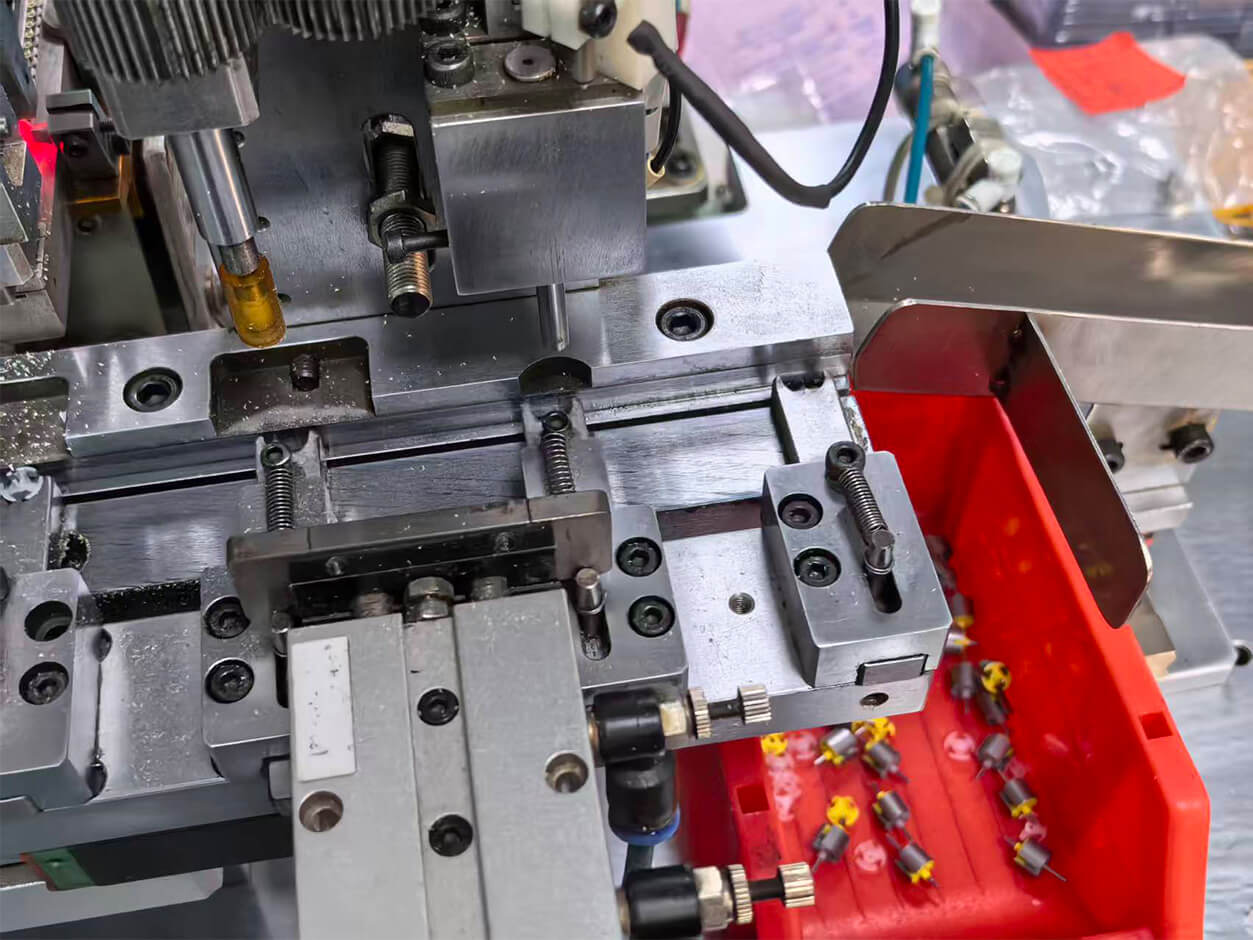
Commutator Check
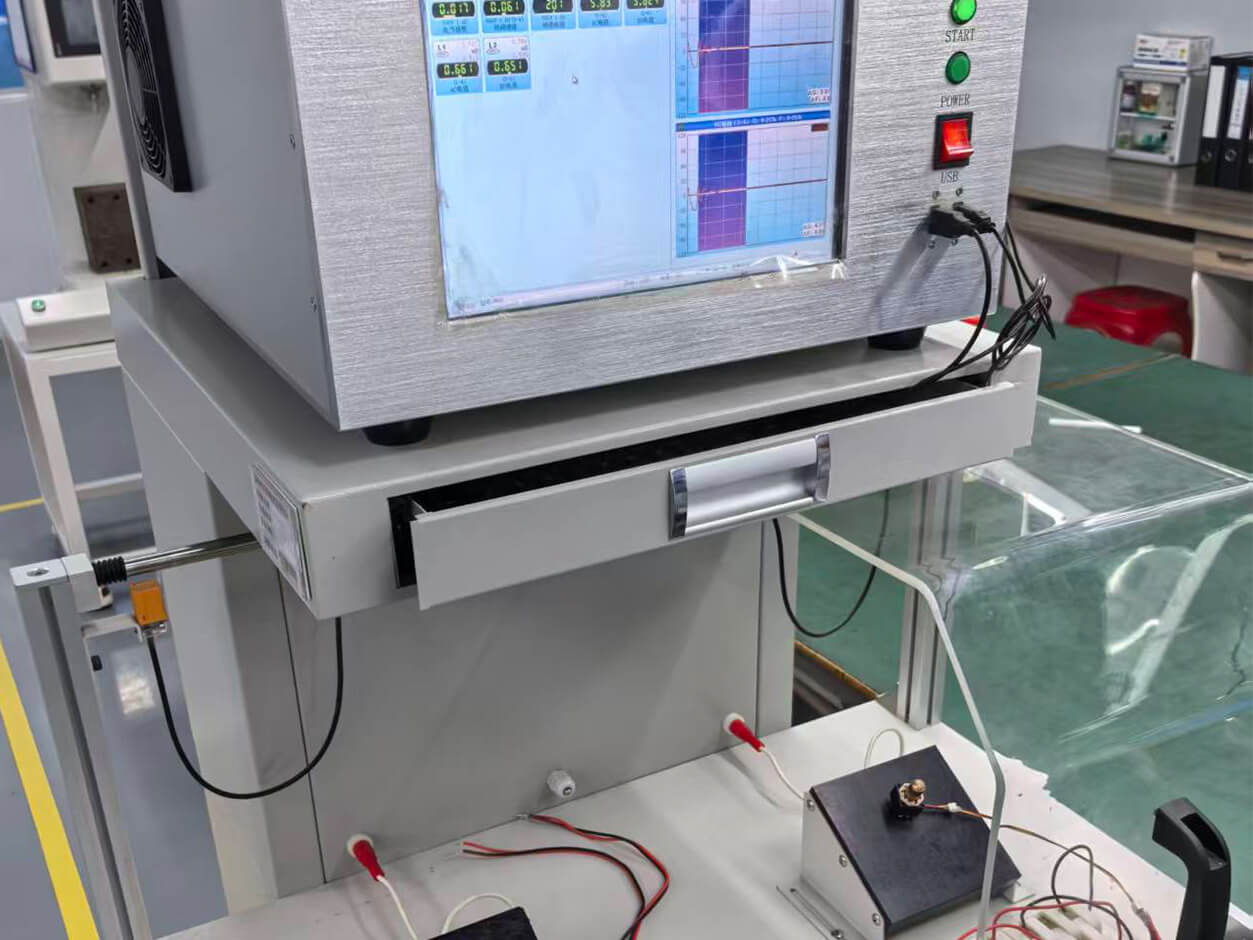
Stator Winding Electrical Testing
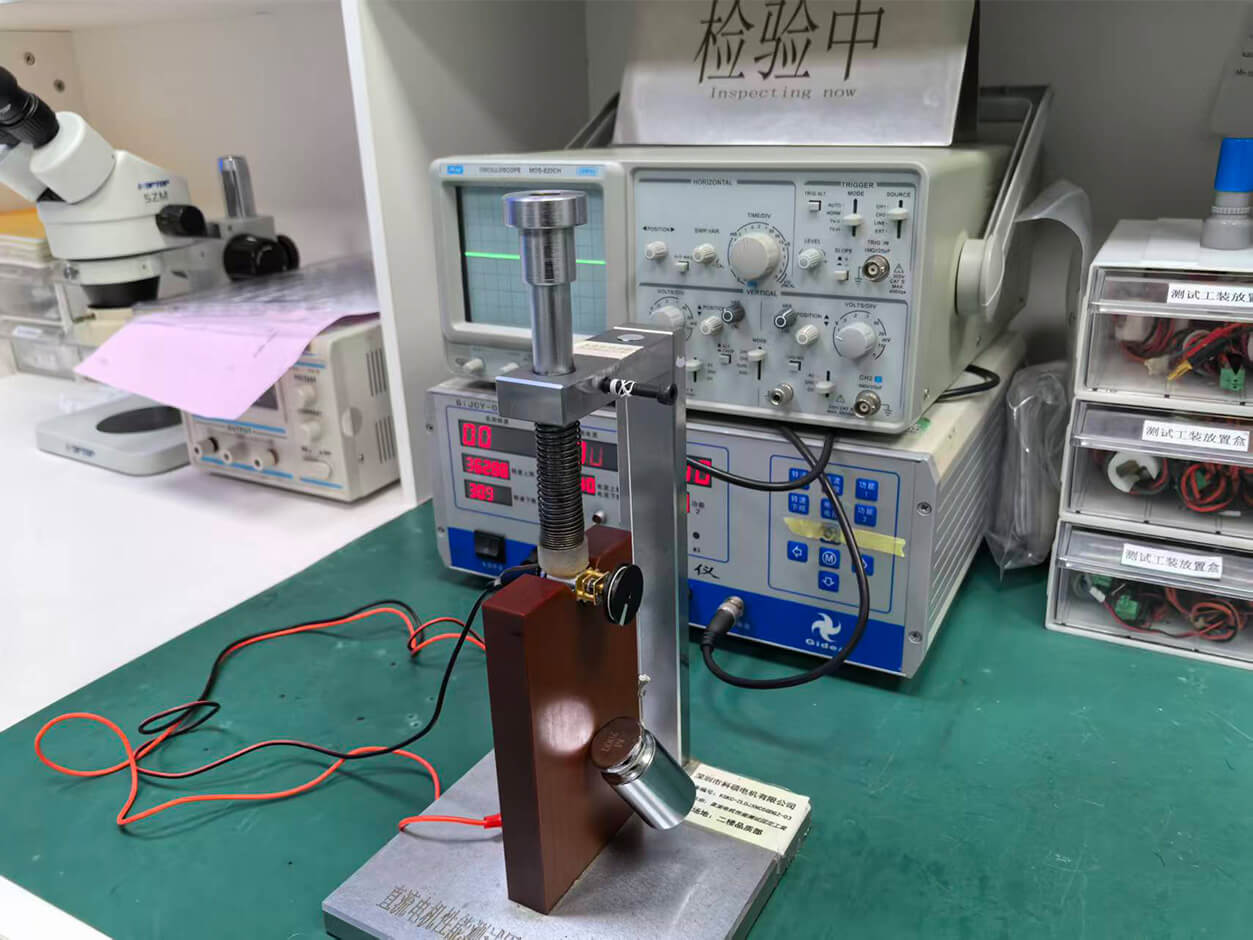
On Load Performance Test
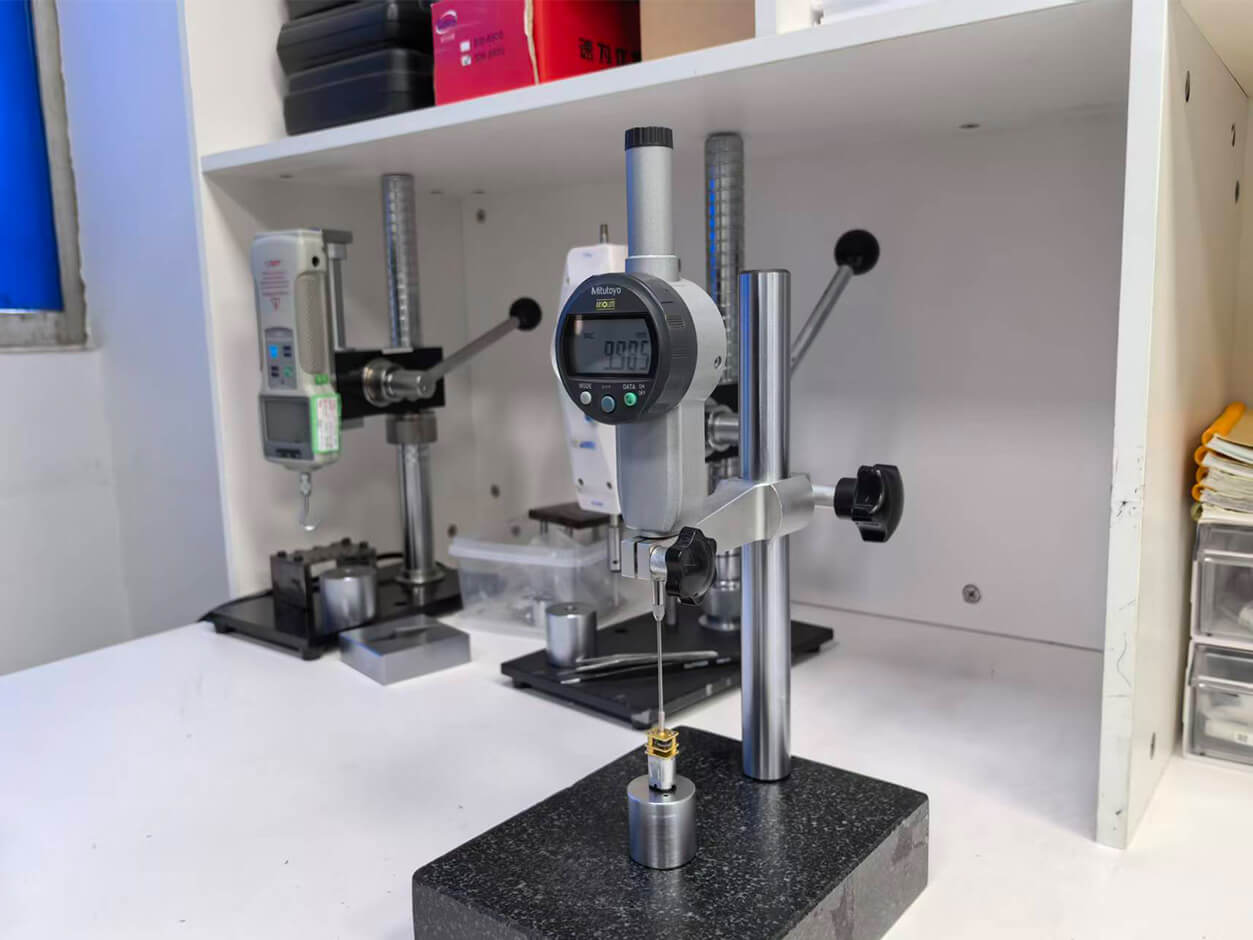
Shaft Dimension Inspection
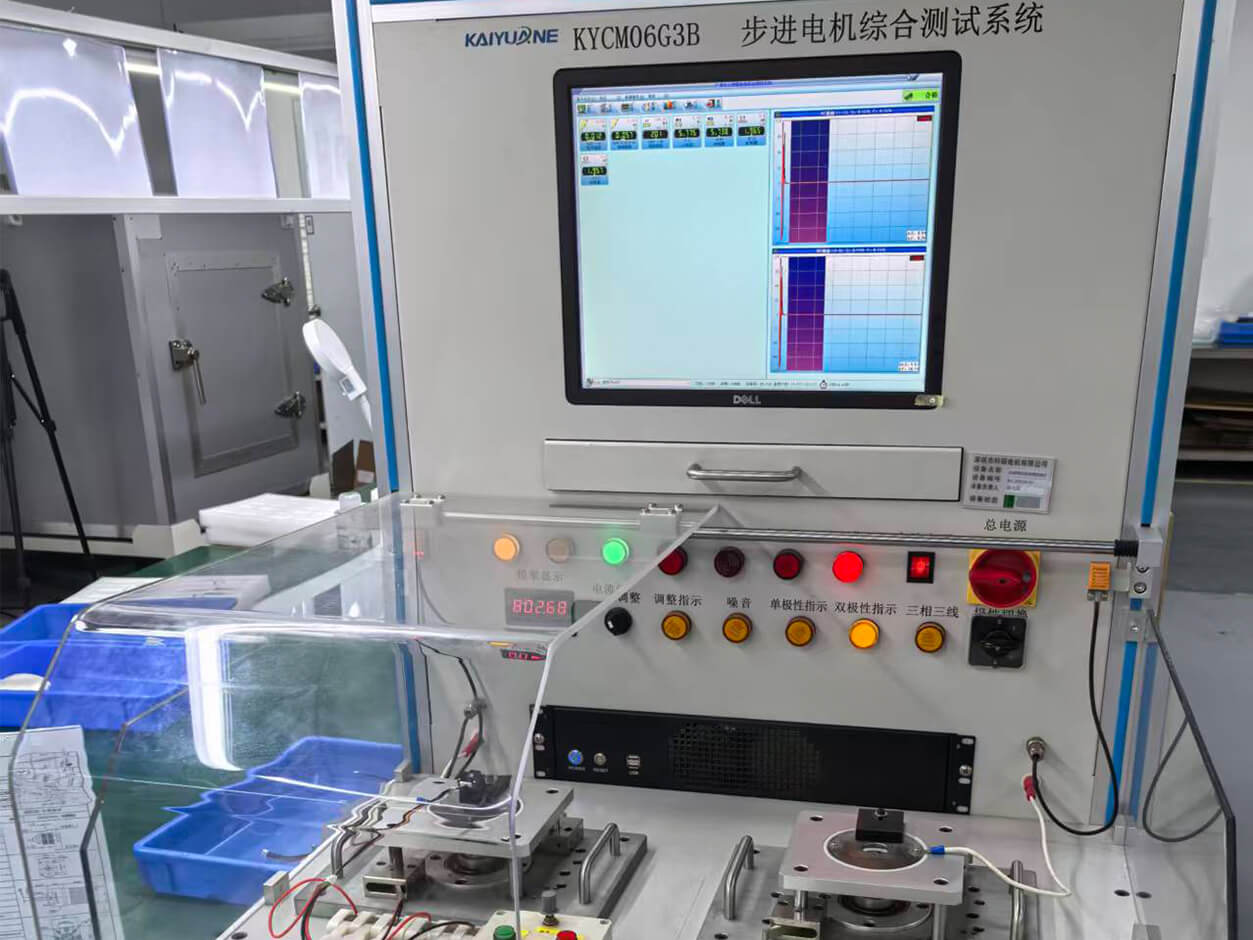
Finished Product Functional Testing
Type Test
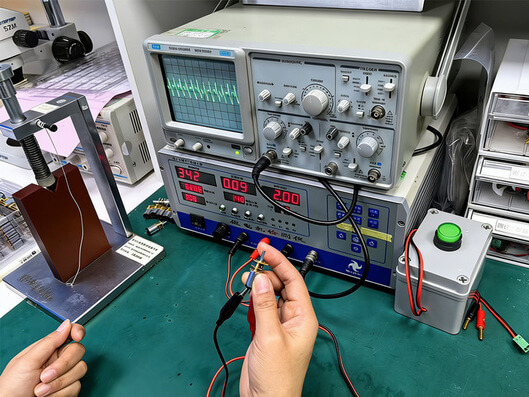
No-Load Test
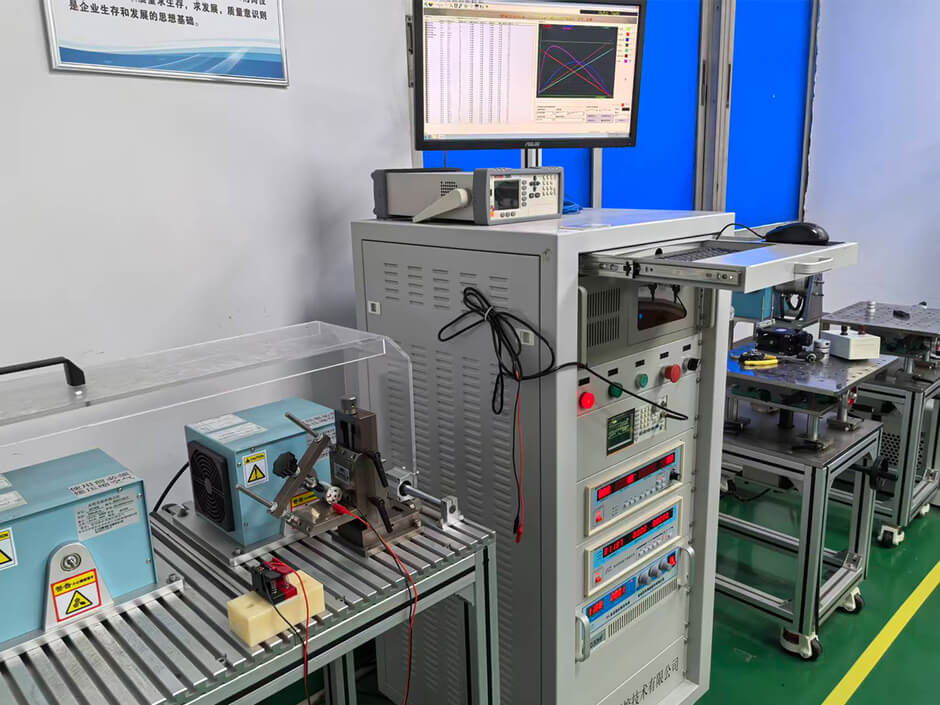
Stall Torque Test Equipment
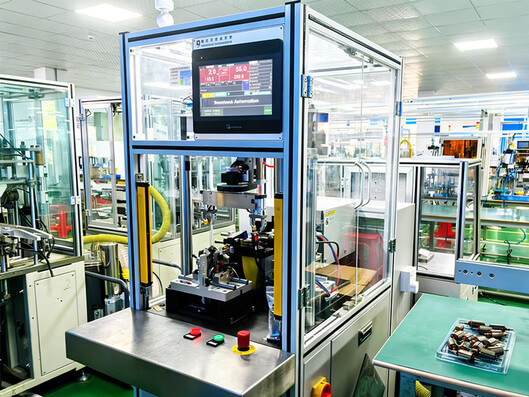
Dynamic Balancing Test
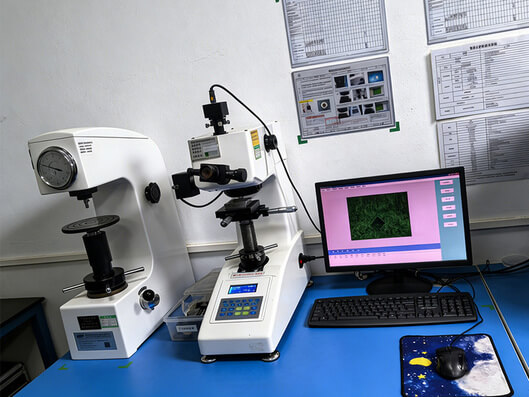
Hardness Test
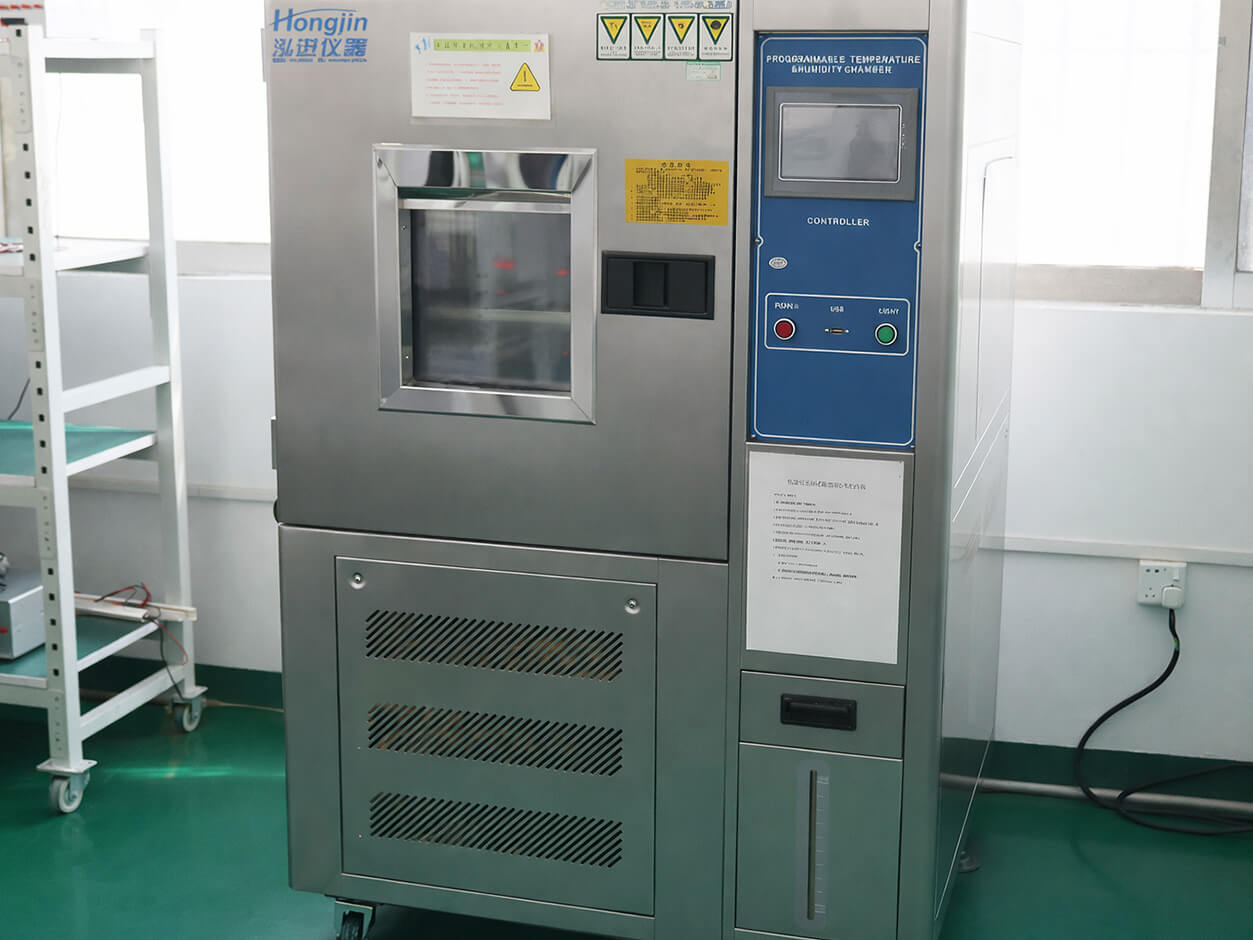
Temperature & Humidity Test
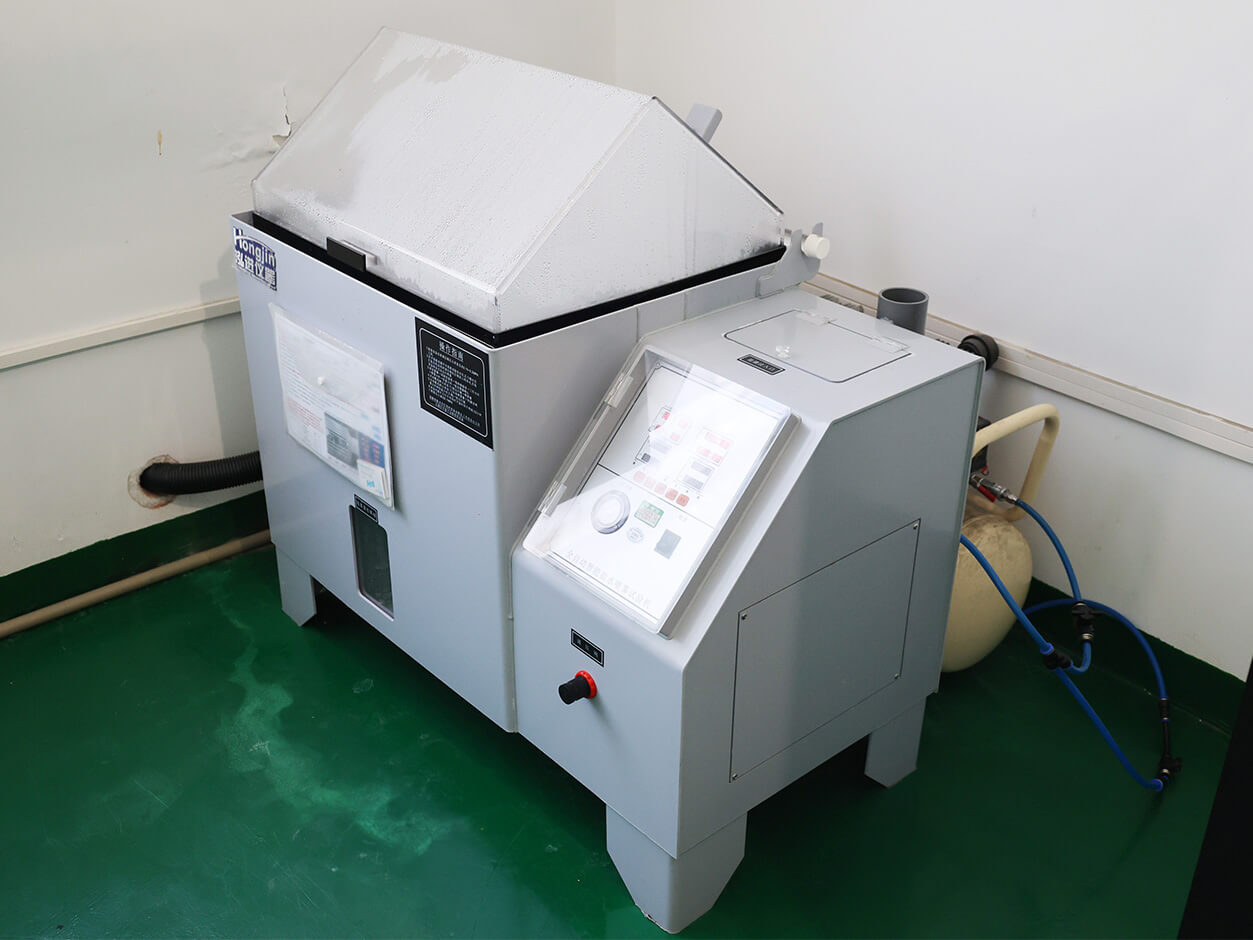
Salt Spray Corrosion Testing
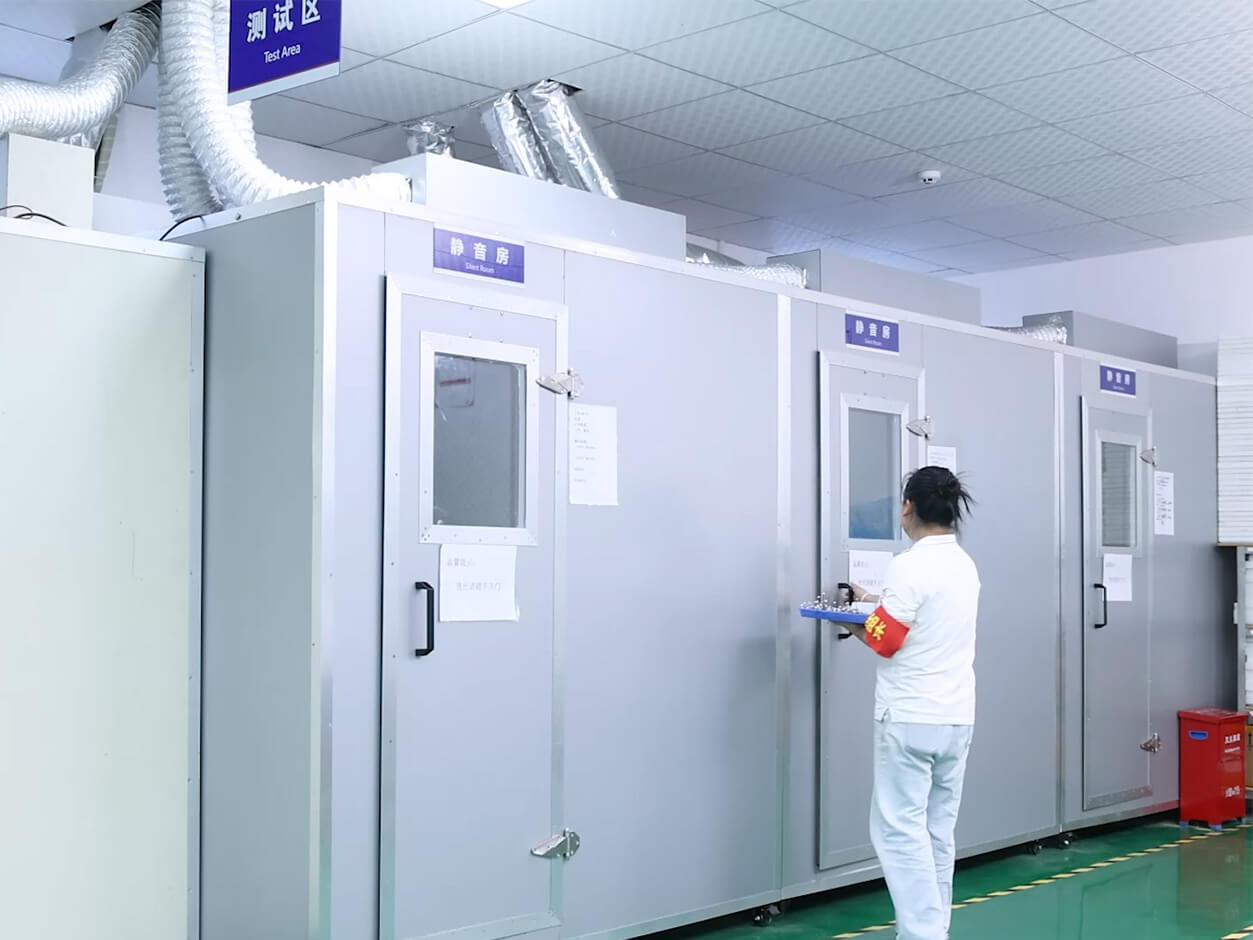
Motor Noise Test