180 Motor
— Φ20.4 mm miniature brushed DC motor platform
— Approx. 32 mm overall length for compact assemblies
— Multiple low-voltage winding configurations across available models
— Approx. 5,000–39,000 rpm no-load speed, model-dependent
— Custom shaft, winding, connector, gearbox and encoder options
Kechen Motor – 180 Motor Manufacturer in China
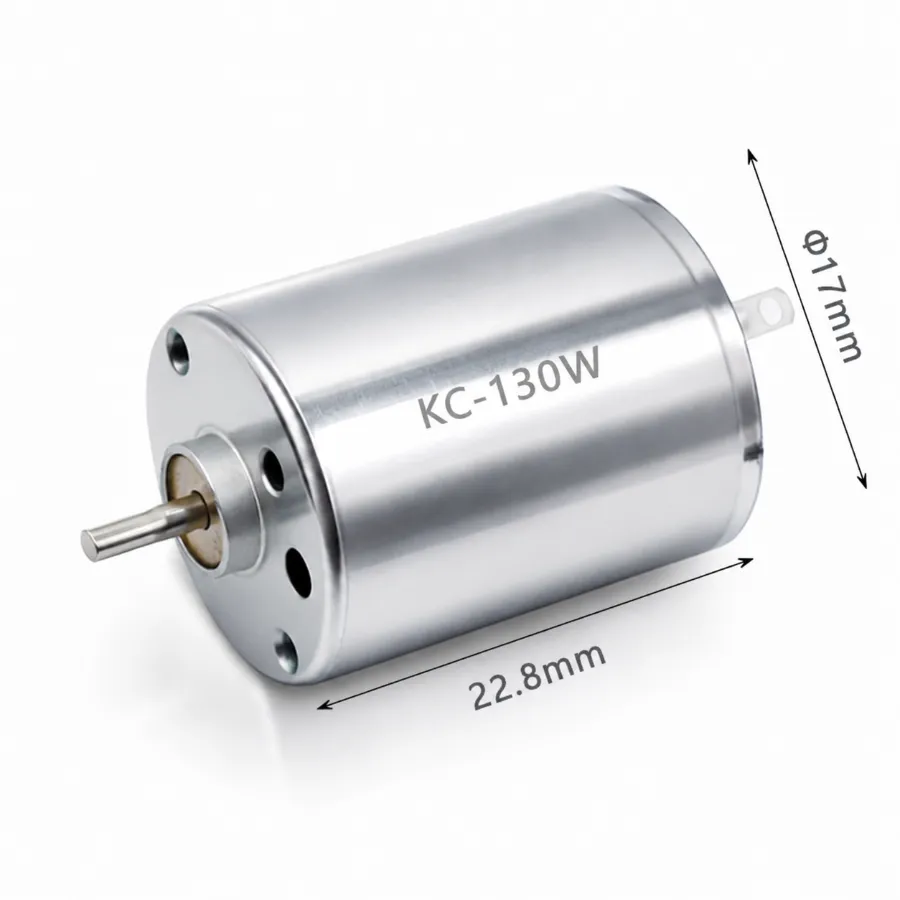
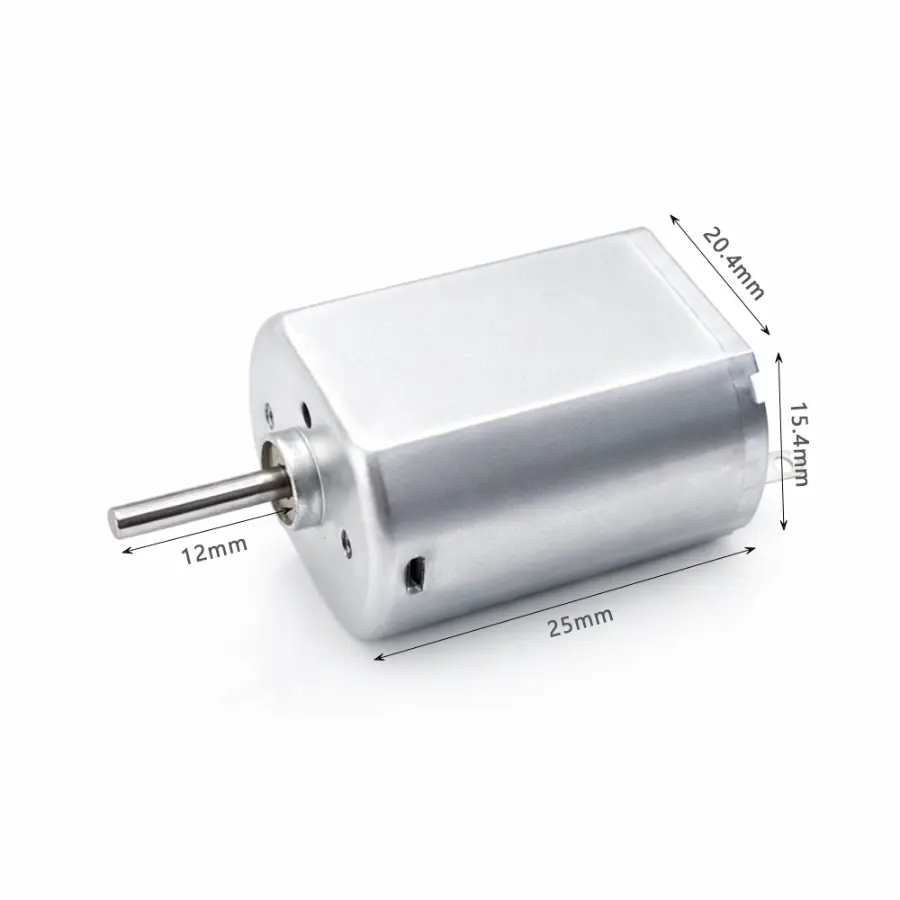
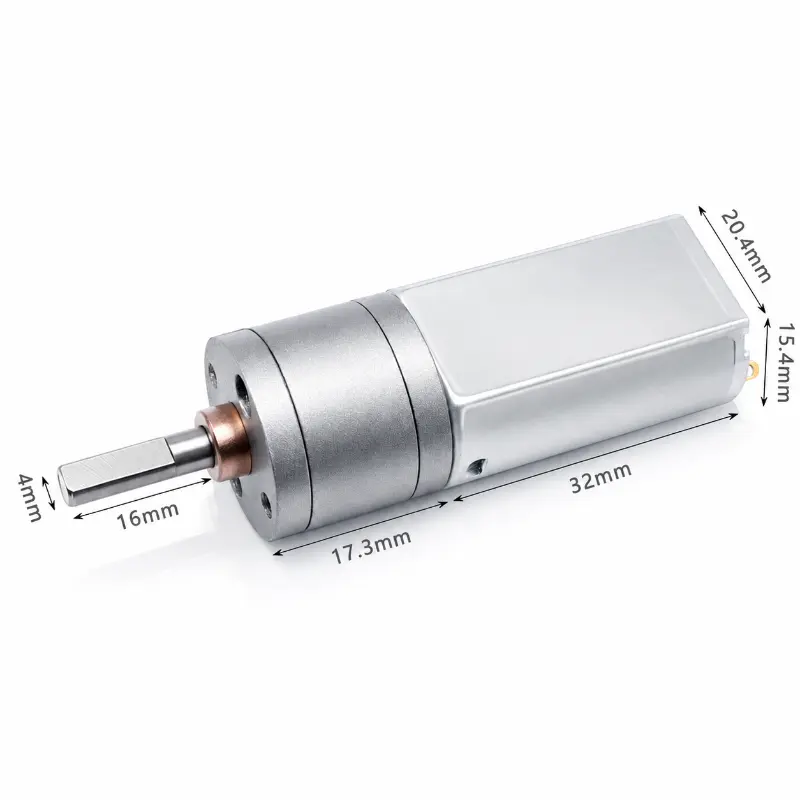
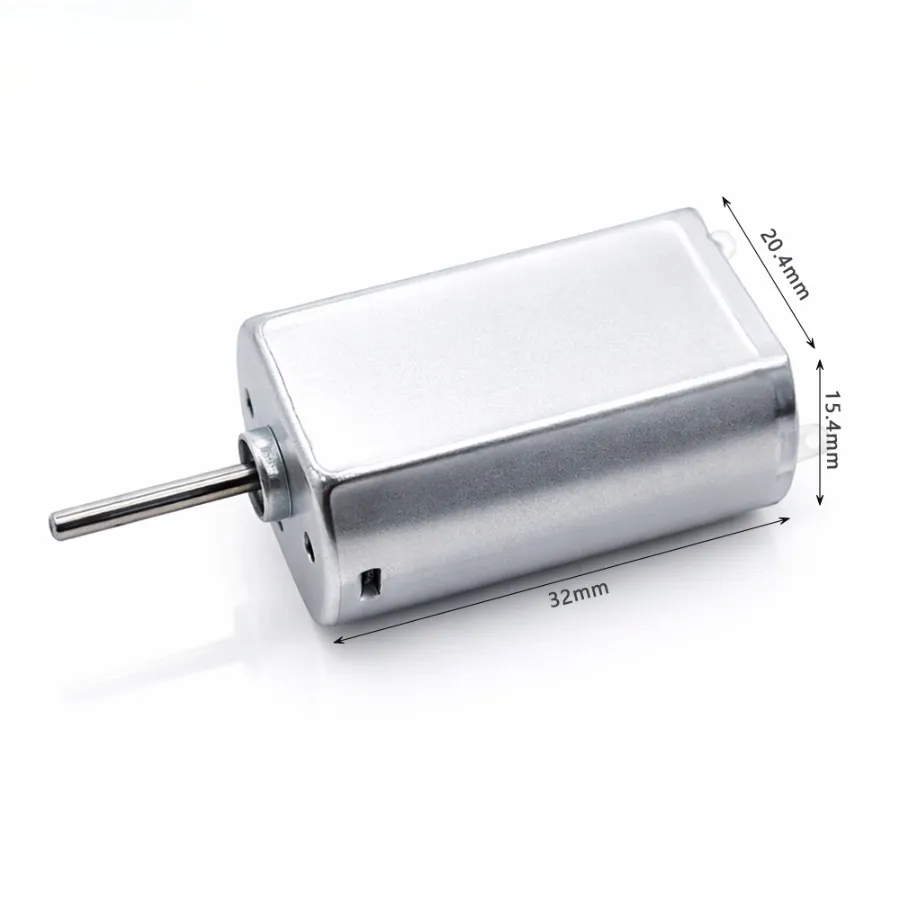
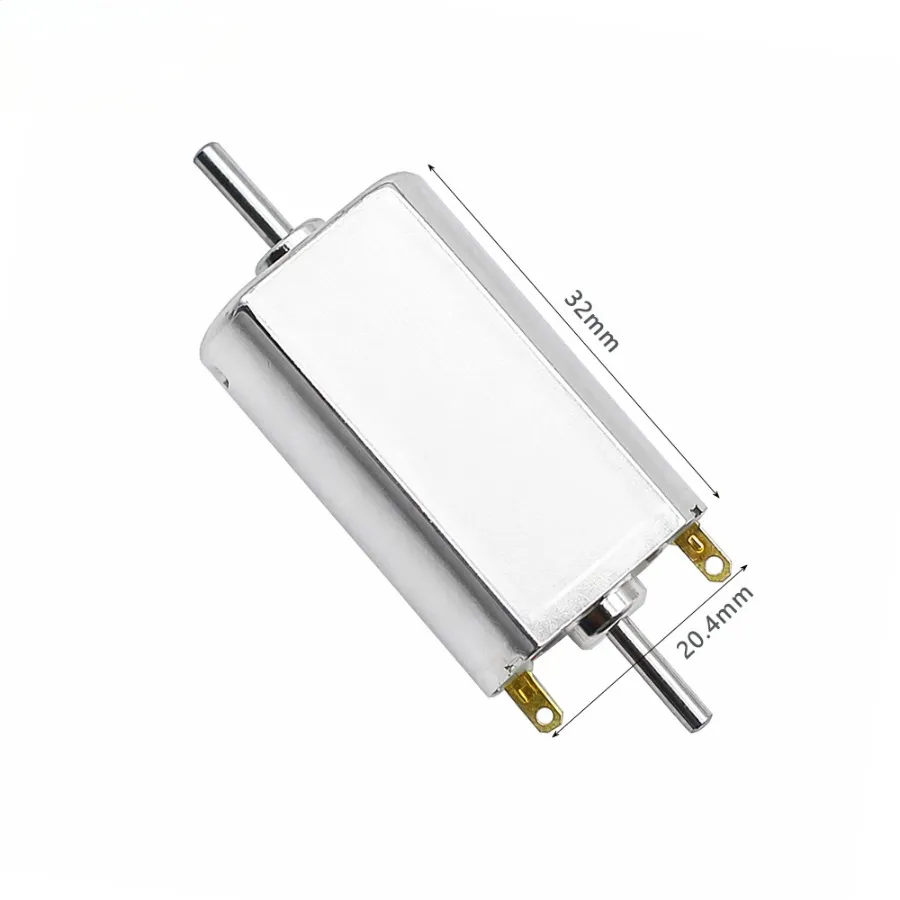
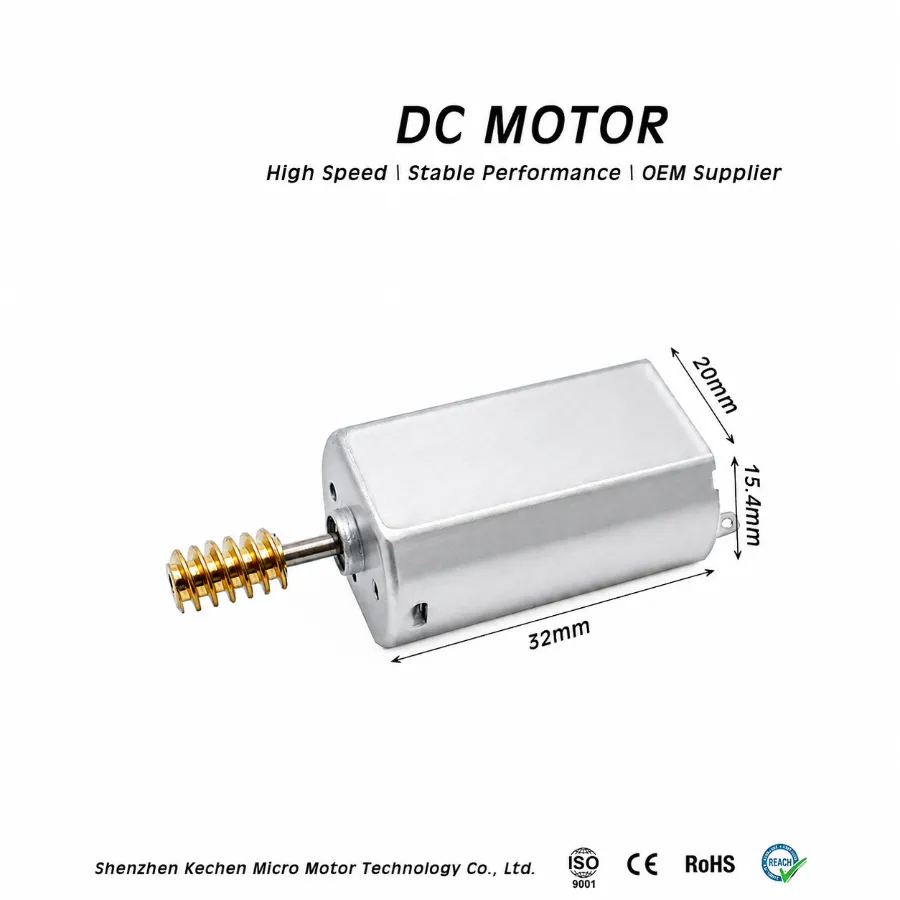
The 180 motor series is a small brushed DC motor family used where the motor has to fit into a limited space while still providing the required speed. The motor body is approximately Φ20.4 mm in diameter, with an overall length of about 32 mm. Different models use different windings, so voltage, current and rpm are not the same across the whole series.
Available 180 dc motor versions cover a wide speed range. Some models run at around 5,000 rpm at no load, while selected high-speed versions can reach approximately 39,000 rpm. For an OEM design, the useful starting points are the available supply voltage, required working speed, load, shaft connection and installation space.
View Kechen 180 DC Motor Products Now
180 Motor Series for Compact DC Drives
The 180 motor series is a small brushed DC motor family used where the motor has to fit into a limited space while still providing the required speed. The motor body is approximately Φ20.4 mm in diameter, with an overall length of about 32 mm. Different models use different windings, so voltage, current and rpm are not the same across the whole series.
Available 180 dc motor versions cover a wide speed range. Some models run at around 5,000 rpm at no load, while selected high-speed versions can reach approximately 39,000 rpm. For an OEM design, the useful starting points are the available supply voltage, required working speed, load, shaft connection and installation space.
180 Motor Electrical and Mechanical Range
| Parameter | 180 Motor Series |
|---|---|
| Motor Type | Brushed DC motor |
| Motor Diameter | Φ20.4 mm |
| Overall Length | Approx. 32 mm |
| Voltage | Multiple voltage and winding options, depending on model |
| No-load Speed | Approx. 5,000–39,000 rpm, model-dependent |
| No-load Current | Depends on winding and motor model |
| Shaft Diameter | 2 mm |
| Shaft Length | Approx. 7–12 mm, depending on model |
| Optional Configurations | Gearbox, encoder, custom shaft, wiring and connector |
Winding, Shaft and Connection Options
A standard 180 brushed motor does not fit every mechanism in the same way. The winding can be selected around the power supply and target speed, while the shaft and wiring can be changed to suit the mechanical layout.
- Voltage and winding selection
- Motor speed matched to the required operating range
- 2 mm shaft with different length options
- D-cut or custom shaft end
- Lead wire length and wire routing
- Terminal or connector selection
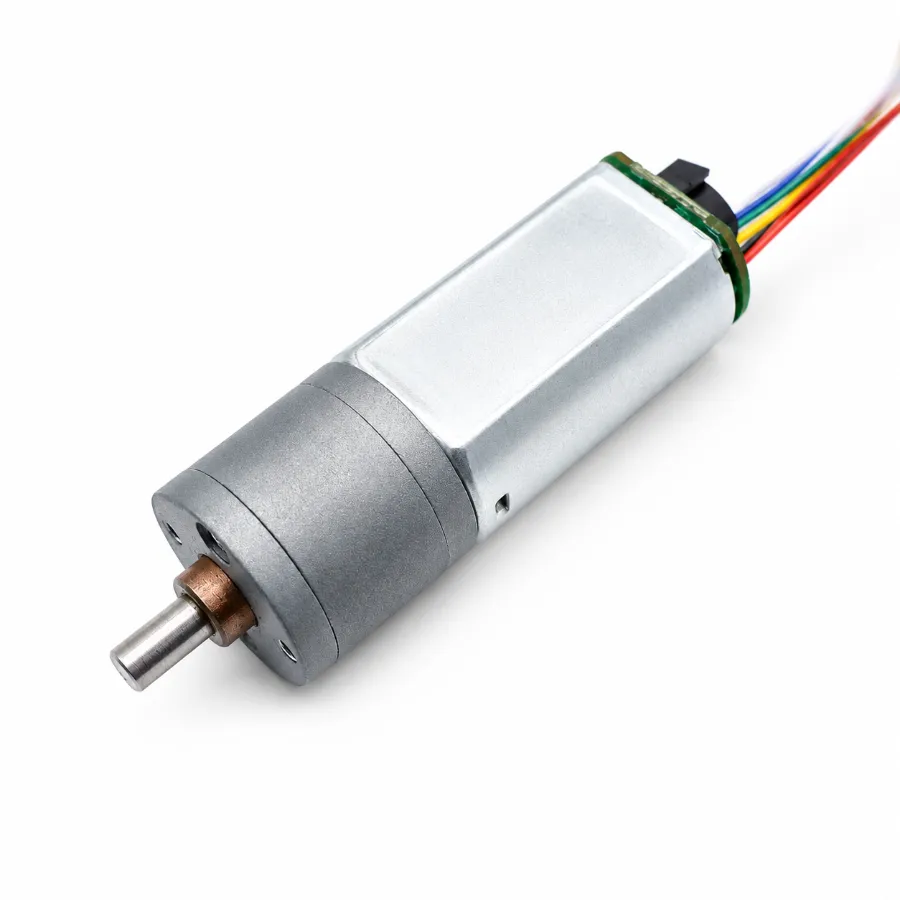
- Gearbox configuration for lower output speed
- Encoder or speed feedback where required
For custom projects, a drawing or sample assembly is useful for checking shaft engagement, available motor space and cable direction before confirming the motor specification.
Product Documents & Downloads
| Document Description | File Details |
|---|---|
| KC-FF-180SH-38.4L 3.7V Brushed DC Motor Outline Drawing & Performance Curve |
PDF · English · 245 KB |
| KC-FF-180SH-51 6V Brushed DC Motor with Encoder Outline Drawing |
PDF · English · 93 KB |
| KC-FK-180SH-48 7.4V Brushed DC Motor Specifications & Dimensions |
PDF · English · 108 KB |
| KC-GM20-FK-180SH-00781 12V Brushed DC Gear Motor Drawing & Performance Curve |
PDF · English · 215 KB |
Kechen 180 Motor 3D Design
What the 180 Motor Designation Means
The name 180 motor describes a commonly used brushed motor size family. It does not mean that every 180 motor has the same voltage, rpm, current or shaft length. Two motors with a similar housing can have quite different electrical characteristics because of their winding and internal configuration.
A bare dc 180 motor is normally used when the mechanism can work with the motor’s relatively high shaft speed. Selected versions can reach about 39,000 rpm at no load. If the driven part needs much lower speed, a gearbox can be added rather than trying to use a high-speed motor directly.
This is also why a bare 180 motor dc and a geared 180 motor should be compared separately. The motor rpm is only one part of the selection; the actual load and required output speed matter more at the mechanism level.
Applications for 180 Electric Motors
The small motor body and wide choice of windings make the 180 electric motor useful in compact equipment where space, supply voltage and motor speed have to be considered together.
-
Small Automation Mechanisms
Used in compact motion assemblies where the motor has to fit into a small housing and run within a defined speed range.
-
Smart Devices and Actuators
Suitable for smart equipment, access mechanisms and small actuators that need a compact brushed motor or geared drive.
-
RC Models, Fans and Small Pumps
Higher-speed models can be considered for RC mechanisms, compact fans, pumps and other small rotating assemblies.
|
|
Customize Your Small Stepper Motor |
Choosing a 180 Motor for an OEM Product
Start with the voltage available in the product and the speed needed at the motor shaft. If the application uses direct drive, compare the required working rpm with the available winding. A 39,000 rpm figure refers to no-load speed on selected models; the speed will change once the motor is connected to an actual load.
Next, check the mechanical fit. Important dimensions include the Φ20.4 mm motor diameter, overall installation length, 2 mm shaft diameter and required shaft engagement. If the mechanism needs lower output speed, specify the expected load and output rpm so that a gearbox configuration can be reviewed. Connector type, lead length and feedback requirements can be confirmed at the same stage.
View Kechen 180 DC Motor Products Now